
Summary
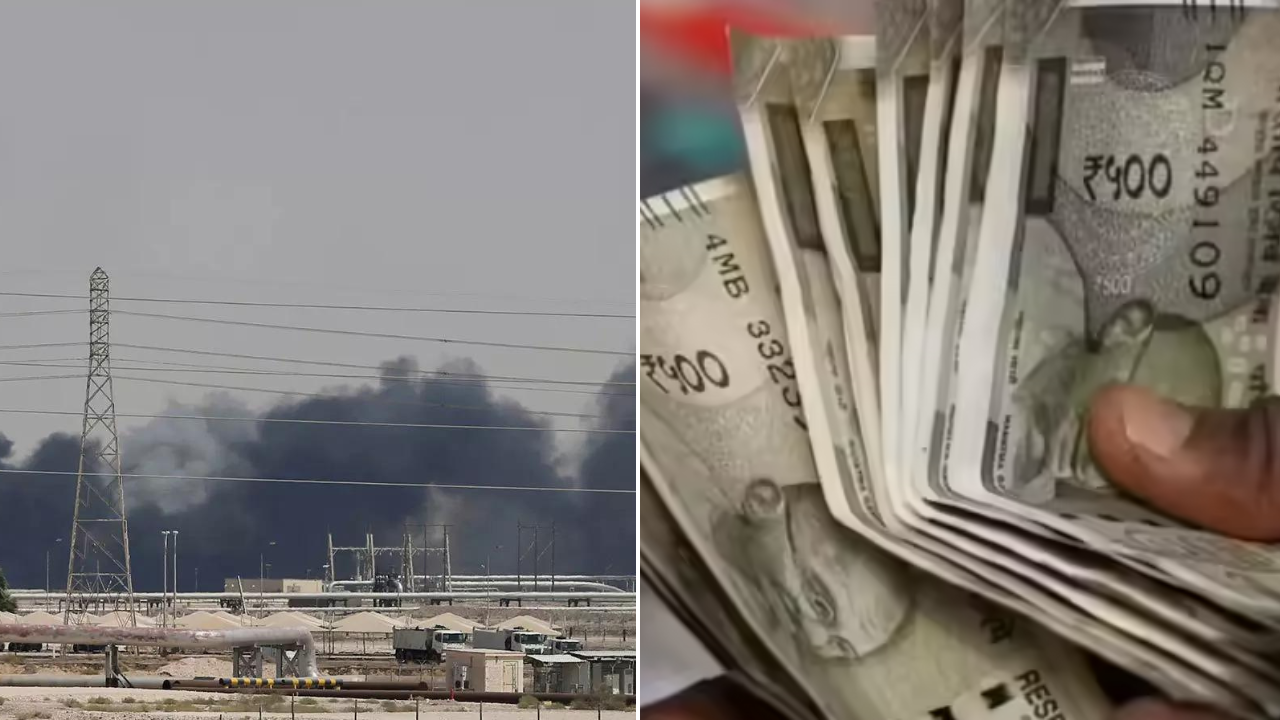
A tragic event has occurred in the Middle East where an Indian citizen lost their life in Saudi Arabia. This death comes at a time of high tension and active conflict involving Iran, which has put many foreign workers in the region at risk. At the same time, India’s economy is facing a major challenge as the Indian Rupee dropped to its lowest value ever against the US Dollar. The currency hit a record low of 93.71, causing worry among investors and the general public. These two events show how global conflicts can directly affect both the safety of people abroad and the financial health of the country.
Main Impact
The most immediate impact is the growing fear for the safety of millions of Indians living and working in Gulf countries. As fighting spreads, the risk to civilians increases, and the death of an Indian national in Saudi Arabia has prompted calls for better protection and evacuation plans. On the economic side, the fall of the Rupee to 93.71 means that everything India buys from other countries will now cost more. This includes essential items like crude oil, electronics, and machinery. When the Rupee weakens, it often leads to higher prices for everyday goods at home, which can hurt the budgets of normal families.
Key Details
What Happened
The Indian national died during a period of increased military activity in Saudi Arabia. While the exact details of the incident are still being checked, reports suggest the death was linked to the ongoing war involving Iran. The Indian Embassy is currently working with local authorities to handle the situation and help the family of the deceased. Meanwhile, in the financial markets, the Rupee started the day weak and continued to slide. Traders sold off the currency because they were worried about the war's effect on global trade and oil supplies.
Important Numbers and Facts
- Rupee Exchange Rate: The currency reached an all-time low of 93.71 against the US Dollar.
- Location of Incident: The death occurred within the borders of Saudi Arabia.
- Conflict Zone: The region is currently affected by a war involving Iran, which has disrupted normal life and safety.
- Previous Lows: The Rupee has been under pressure for weeks, but this is the first time it has crossed the 93.70 mark.
Background and Context
To understand why this is happening, we have to look at how India is connected to the Middle East. Millions of Indians work in countries like Saudi Arabia, the UAE, and Qatar. They send money back home, which helps the Indian economy. When a war starts in that area, it puts these people in danger and threatens the money they send back. Additionally, India buys a huge amount of oil from the Middle East. War makes oil harder to get and more expensive. Since oil is traded in US Dollars, India needs to spend more of its own money to buy the same amount of fuel. This high demand for Dollars makes the Rupee lose its value.
Public or Industry Reaction
Market experts are watching the situation closely. Many financial analysts believe that the Rupee might stay weak as long as the war continues. Business leaders are worried that the high cost of imports will make it harder for Indian companies to grow. On social media, many people are expressing their sadness over the death of the Indian worker and are asking the government to ensure the safety of others still in the region. The Ministry of External Affairs has been asked to provide regular updates and safety guides for Indians living in the Middle East.
What This Means Going Forward
In the coming days, the Indian government may need to take strong steps. This could include talking to leaders in the Middle East to protect Indian citizens. There might also be a need for special flights if the situation gets worse and people need to come home quickly. For the economy, the Reserve Bank of India (RBI) might step in to stop the Rupee from falling even further. They can do this by selling some of the foreign money they have saved up. However, if the war lasts a long time, the pressure on the Rupee will likely continue, and people should prepare for higher prices on goods that come from overseas.
Final Take
The combination of a human tragedy abroad and a record low for the currency at home creates a difficult situation for India. It shows that in a connected world, a conflict far away can have a very real impact on the lives and pockets of people in India. The focus now must be on keeping citizens safe and finding ways to keep the economy steady during these uncertain times.
Frequently Asked Questions
Why did the Indian Rupee fall so low?
The Rupee fell because of the war in the Middle East. This conflict makes investors nervous, leading them to move their money into safer options like the US Dollar. Also, rising oil prices mean India has to spend more Dollars, which weakens the Rupee.
Is it safe for Indians to stay in Saudi Arabia?
The situation is changing quickly. While many parts of the country remain functional, the government has advised people to stay alert and follow safety rules. It is important to stay in touch with the Indian Embassy for the latest advice.
How does a weak Rupee affect normal people?
A weak Rupee usually leads to inflation. This means the price of petrol, diesel, and imported goods like cooking oil or phones may go up. It can also make traveling or studying abroad more expensive.



