
Summary
The Congress party has strongly criticized a new trade agreement between India and the United States. Party leaders claim the deal hurts India’s pride and its ability to make independent decisions. They argue that the government rushed into the agreement because of pressure from the U.S. government. According to the Congress, this deal will negatively affect Indian farmers, young workers, and the country's energy and data security.
Main Impact
The biggest impact of this trade deal is a major shift in how India trades with the world. The Congress party warns that the agreement forces India to buy more expensive goods from the U.S. while making it harder for Indian businesses to sell their products abroad. By agreeing to stop buying cheaper oil from Russia, India may face higher fuel prices. This could lead to inflation, making everyday items more expensive for the average person. Additionally, the deal might allow foreign companies to compete unfairly with local farmers, potentially putting many out of work.
Key Details
What Happened
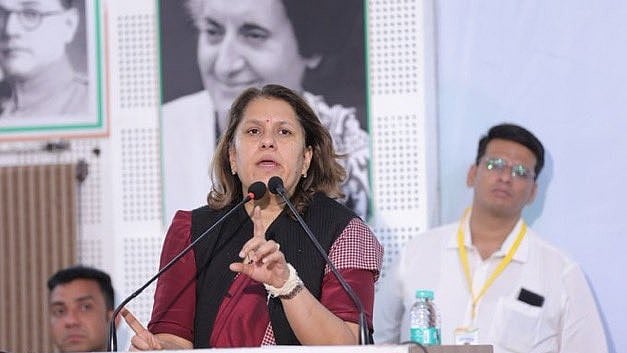
At a recent press meeting, Congress spokesperson Supriya Shrinate attacked the government for celebrating the trade pact. She called it a "coercive deal," meaning India was forced into it. The party claims the government should have waited for a U.S. Supreme Court decision regarding taxes on Indian goods. By moving too fast, the Congress says the government lost its chance to get a better deal. Senior leader Digvijaya Singh also spoke out, calling the agreement "anti-farmer" and a threat to the rural economy.
Important Numbers and Facts
The Congress shared several specific figures to show why they believe the deal is bad for India. Under the new rules, taxes on Indian exports to the U.S. have jumped from 3 percent to 18 percent. At the same time, India has agreed to lower its own taxes on American products to nearly zero. India has also promised to buy $500 billion worth of goods from the U.S. over the next five years. Another major part of the deal is that India will stop purchasing cheaper crude oil from Russia, which has been a key source of energy recently.
Background and Context
Trade deals are usually meant to help two countries grow together by lowering taxes and making it easier to move goods. However, they can become controversial if one side feels it is giving up too much. In this case, the Congress party believes India is giving up its "digital sovereignty." This means they are worried about sensitive information and data about Indian citizens being sent to the U.S. They also believe that moving away from Russian oil is a mistake because Russia offered lower prices during a time of global economic stress. The party argues that a country must protect its own interests before trying to please a powerful partner like the United States.
Public or Industry Reaction
The reaction to this deal has been very tense and has even led to physical fights between political groups. In Madhya Pradesh, members of the BJP’s youth wing reportedly threw stones at Congress offices. This happened after Congress workers held protests in Delhi. Prime Minister Narendra Modi defended the government’s actions and criticized the Congress for their protest methods. He accused the opposition of using "dirty politics" to shame the country during an international event. Meanwhile, Digvijaya Singh complained that the police are filing cases against Congress workers even when they are the ones being attacked. This shows a deep divide in how the two main political parties view India's role on the global stage.
What This Means Going Forward
Looking ahead, the success or failure of this deal will depend on how it affects the economy. If the Congress party is right, India might see a rise in the cost of living due to more expensive oil imports. Farmers may also start protesting if they find they cannot compete with cheap American agricultural products. There are also concerns about how India will manage its data. If sensitive information is shared with foreign companies, it could lead to new laws or legal battles over privacy. The government will need to prove that the $500 billion in imports will actually help India grow, rather than just helping the U.S. economy.
Final Take
This trade deal has become a major point of conflict between the government and the opposition. While the government sees it as a way to strengthen ties with a powerful ally, the Congress party views it as a surrender of national interests. The debate highlights a difficult balance: India needs global partners to grow, but it must also protect its farmers, its data, and its energy sources. The real test will be whether the promised benefits of the deal reach the common people or if the warnings about rising costs and lost jobs come true.
Frequently Asked Questions
Why is the Congress party against the India-US trade deal?
They believe the deal was made in a hurry and gives too many benefits to the U.S. while hurting Indian farmers and increasing the cost of oil.
How does the deal affect Indian exports?
According to the Congress, the tax on Indian goods sent to the U.S. has increased from 3 percent to 18 percent, making Indian products more expensive for American buyers.
What is the concern regarding Russian oil?
India has been buying cheaper oil from Russia. Under this new deal, India has reportedly agreed to stop these purchases and buy from other sources, which could be more expensive.
