
Summary
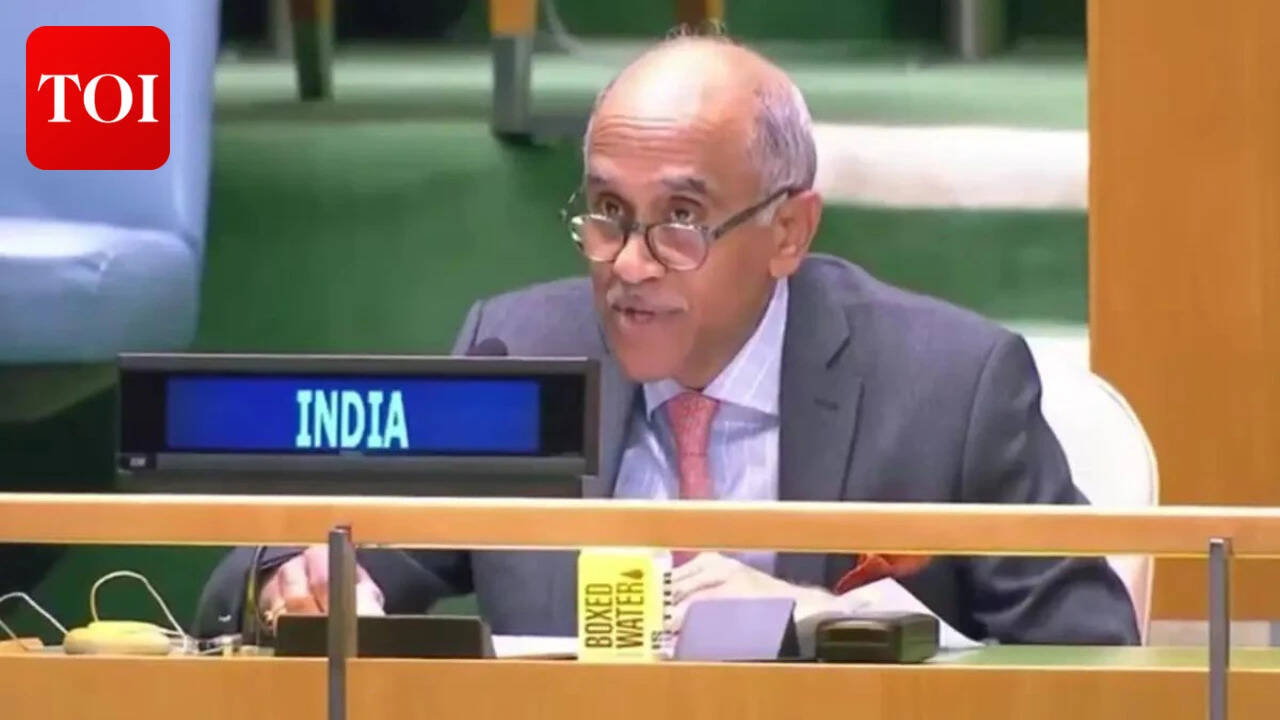
India has strongly criticized Pakistan at the United Nations for creating false stories about Islamophobia. During a recent session, Indian Ambassador Parvathaneni Harish pointed out that Pakistan is using these narratives to hide its own poor record on human rights. India highlighted the harsh treatment of the Ahmadiyya community in Pakistan and the ongoing violence in Afghanistan. The Indian representative urged the UN to fight against all forms of religious hatred rather than focusing on only one faith.
Main Impact
This statement marks a significant shift in how India handles religious debates on the global stage. By calling out Pakistan’s "fabricated" claims, India is trying to change the focus of the international community. The main impact is a push for the United Nations to adopt a more balanced view of religious discrimination. India argues that focusing only on Islamophobia ignores the suffering of other groups, including Hindus, Sikhs, and even minority Muslim sects like the Ahmadiyyas who face legal and social pressure in Pakistan.
Key Details
What Happened
At a high-level meeting at the UN, Ambassador Parvathaneni Harish spoke about the dangers of using religion for political gain. He stated that Pakistan has been trying to build a specific narrative around Islamophobia to distract from its internal problems. India argued that while Pakistan talks about protecting religion abroad, it fails to protect its own citizens at home. The Ambassador specifically mentioned that religion should not be "weaponized" to attack other countries or to justify interference in their internal affairs.
Important Numbers and Facts
India reminded the UN that it is home to one of the largest Muslim populations in the world. This fact was used to show that India has a long history of different religions living together peacefully. The discussion also touched upon the security situation in the region. India linked the instability and bombings in Afghanistan to groups operating from across the border. By bringing these facts to the table, India aimed to show that Pakistan’s claims do not match the reality of its actions in South Asia.
Background and Context
For several years, Pakistan has used the United Nations as a platform to raise concerns about the treatment of Muslims in other countries, particularly India. However, India has consistently rejected these claims, calling them interference. The context of this latest clash involves a broader global debate on how to handle religious intolerance. India believes that the UN should not create a hierarchy of religions where some are protected more than others. Instead, India promotes the idea of "pluralism," which means respecting all faiths equally. This is important because many minority groups in the region, such as Hindus and Sikhs in Pakistan and Afghanistan, often feel left out of these international discussions.
Public or Industry Reaction
The reaction to India’s statement has been noted by diplomats and experts who follow South Asian politics. Many see this as a firm response to Pakistan’s long-standing strategy at the UN. Human rights groups have also taken interest in India’s mention of the Ahmadiyya community. The Ahmadiyyas are a group that considers themselves Muslim, but Pakistan’s laws officially declare them non-Muslims, leading to severe legal restrictions and physical attacks. By bringing this specific issue to the UN, India is forcing a conversation about how Pakistan treats its own people while it criticizes others.
What This Means Going Forward
Moving forward, this exchange suggests that India will continue to challenge any UN resolutions that focus on only one religion. India wants the international community to recognize "religiophobia" against all faiths, including those that originated in India like Hinduism, Sikhism, and Buddhism. There is also a risk that these verbal clashes will make it harder for India and Pakistan to talk about other important issues, like trade or border security. However, India seems determined to ensure that the global narrative on religion is not controlled by a single country’s political agenda. The next steps will likely involve more debates on how the UN defines and tracks religious hate crimes globally.
Final Take
India’s message at the UN is clear: religious tolerance must be a universal standard, not a political tool. By highlighting the repression of minorities and the reality of regional violence, India is asking the world to look at facts rather than manufactured stories. True progress in fighting religious hatred can only happen when every group is protected and when countries are held accountable for how they treat people within their own borders.
Frequently Asked Questions
Why did India criticize Pakistan at the UN?
India accused Pakistan of creating false stories about Islamophobia to hide its own human rights violations and its role in regional instability, such as the bombings in Afghanistan.
What did India say about the Ahmadiyya community?
India pointed out that while Pakistan talks about protecting Islam, it actively represses the Ahmadiyya minority within its own borders through discriminatory laws and social exclusion.
What is India’s main goal in this UN debate?
India wants the United Nations to address all forms of religious discrimination equally, including hatred directed at Hindus, Sikhs, and Buddhists, rather than focusing on just one religion.



