
Summary
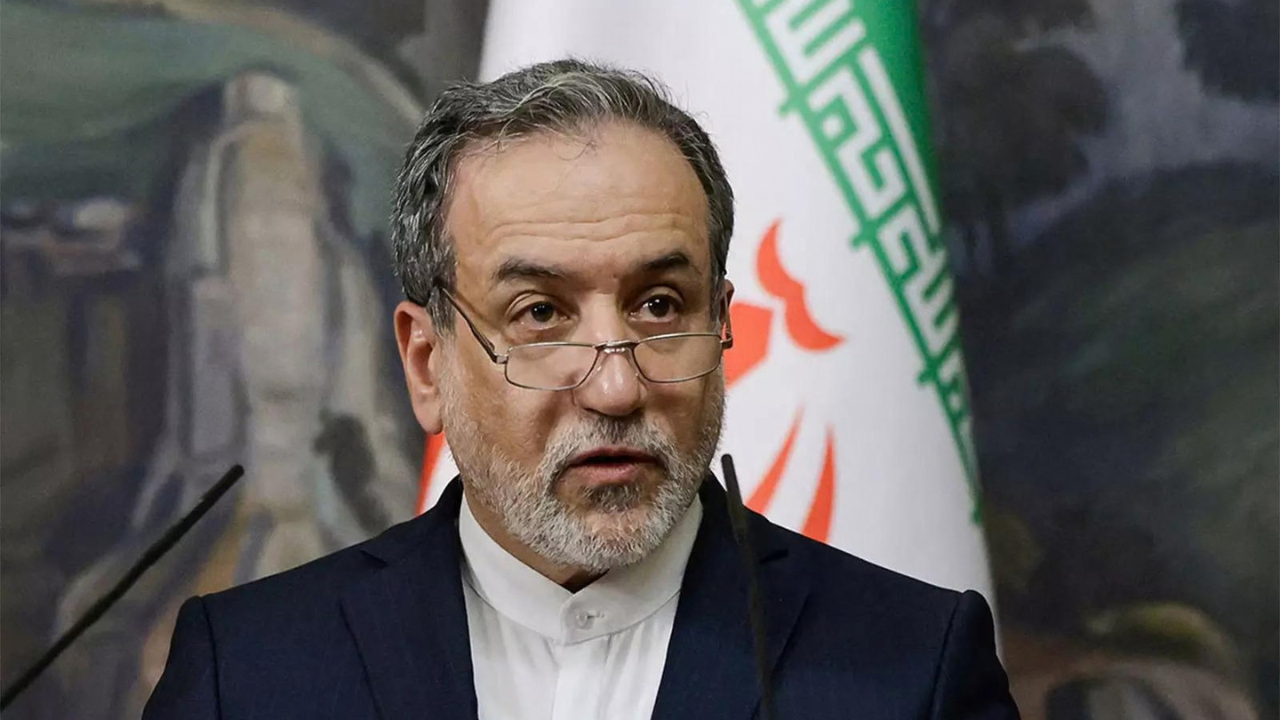
Iran’s Foreign Minister, Abbas Araghchi, has publicly criticized the United States for changing its position on India’s trade with Russia. He pointed out that the U.S. government previously pressured India to stop buying Russian oil but is now reportedly asking India to continue those purchases. This shift is seen as an attempt by the West to keep global oil prices from rising too high. Additionally, Iran has promised to ensure that Indian ships can travel safely through the Strait of Hormuz, a vital water route for global energy supplies.
Main Impact
The main impact of this development is the clear change in how global energy politics are being handled. For a long time, the United States and its allies tried to isolate Russia by cutting off its oil income. However, India chose to prioritize its own energy needs and continued to buy Russian crude at a discount. The fact that the U.S. is now encouraging these purchases shows that keeping the global economy stable is more important to Washington than strictly enforcing sanctions. This gives India more power on the world stage to make decisions based on its own national interests.
Key Details
What Happened
During a recent diplomatic discussion, Iran’s Foreign Minister Araghchi mocked the U.S. for what he called a "U-turn" in policy. He noted that at the start of the conflict in Ukraine, Western nations warned India and other countries against trading with Moscow. Now, according to Araghchi, the White House is essentially "begging" India to keep the oil flowing. This change happened because if India stopped buying Russian oil, the total amount of oil available in the world would drop. This would cause gas and energy prices to jump in the U.S. and Europe, which would hurt their own economies.
Important Numbers and Facts
India is the third-largest consumer of oil in the world. Since 2022, Russia has become one of India’s top oil suppliers, often providing more than 30% of its total imports. The Strait of Hormuz, where Iran has promised safety for Indian ships, is one of the most important places for trade. About one-fifth of the world's total oil supply passes through this narrow waterway every day. By guaranteeing safe passage, Iran is strengthening its ties with India at a time when regional tensions are very high.
Background and Context
To understand why this matters, we have to look at the global energy market. When the war in Ukraine began, the U.S. and Europe put heavy sanctions on Russia. They wanted to stop Russia from making money that could be used for the war. However, India has a huge population and needs cheap energy to grow its economy. India refused to take sides and continued to buy oil from Russia. At first, Western leaders were unhappy with this choice. But they soon realized that if Russian oil completely disappeared from the market, the price of oil everywhere would go up to levels that no one could afford. This led to the creation of a "price cap" system, which allows countries like India to buy Russian oil as long as it stays below a certain price.
Public or Industry Reaction
Energy experts and market analysts have noted that India’s strategy of "strategic autonomy" has been very successful. By not following Western pressure, India saved billions of dollars on its energy bills. Industry leaders in the shipping sector have also welcomed Iran’s promise of safe passage in the Strait of Hormuz. With conflicts happening in the Middle East, shipping companies are worried about their vessels being attacked. Having a guarantee from Iran helps lower the risk for Indian trade ships carrying goods and fuel.
What This Means Going Forward
Moving forward, we can expect India to continue its balancing act between the West and the East. The U.S. will likely keep its "soft" approach toward India’s trade with Russia because it cannot risk a global energy crisis. At the same time, the relationship between India and Iran is likely to grow stronger. Both countries are working on projects like the Chabahar Port, which helps India trade with Central Asia without going through Pakistan. The safety of the Strait of Hormuz will remain a top priority for India as it looks to secure its energy future.
Final Take
The current situation shows that in the world of global politics, practical needs often win over political ideals. While the U.S. and Europe wanted to punish Russia, the reality of high energy prices forced them to change their strategy. India has managed to navigate these difficult waters by staying focused on its own economic health. Iran’s support for Indian shipping further shows that regional partnerships are becoming just as important as traditional alliances with Western powers.
Frequently Asked Questions
Why did the U.S. change its mind about India buying Russian oil?
The U.S. realized that if India stopped buying Russian oil, the global supply would decrease significantly. This would cause oil prices to rise sharply worldwide, hurting the American economy and causing high inflation.
What is the Strait of Hormuz and why is it important?
The Strait of Hormuz is a narrow waterway between the Persian Gulf and the Gulf of Oman. It is the most important oil transit point in the world because a large portion of the world's oil is shipped through it every day.
How has India benefited from this situation?
India has been able to buy oil from Russia at a lower price than the standard market rate. This has helped the Indian government control fuel prices at home and save money on energy imports while maintaining good relations with both Russia and the West.

