Summary
The Indian government is taking action to help shipping companies and exporters who are facing trouble due to ongoing conflicts in the Middle East. The Shipping Ministry has asked major ports across the country to consider waiving or reducing various fees for cargo ships that have been stranded. This move is designed to prevent a massive buildup of goods at the docks and to keep the supply chain moving during a difficult time. By offering financial relief, the government hopes to protect businesses from the high costs caused by international delays.
Main Impact
The primary impact of this decision is the reduction of financial pressure on the shipping industry. When ships are stuck and cannot reach their destination, they often have to stay at ports for much longer than planned. This usually results in very high storage fees and extra costs for keeping goods cold. By removing or lowering these charges, the government is helping to ensure that shipping companies do not go out of business and that the price of goods does not skyrocket for everyday consumers.
Key Details
What Happened
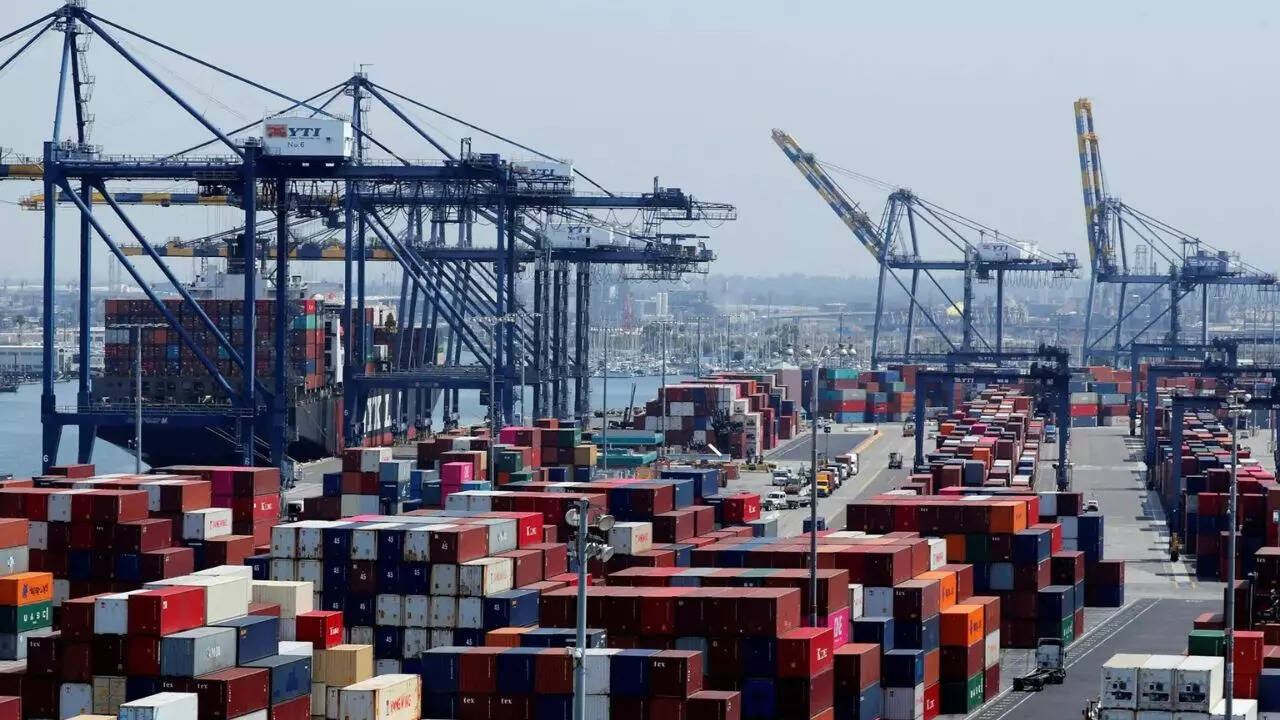
The Shipping Ministry issued a formal request to all major ports in India. They have been told to look at ways to help ships that are caught in the middle of the West Asian conflict. Many vessels are unable to travel through their usual routes, leading them to wait at Indian ports. To help, ports are being asked to stop charging full price for storage and other services. This is a temporary measure to deal with the emergency situation in the Middle East.
Important Numbers and Facts
The directive focuses on several specific types of costs. One major cost is "storage rent," which is the fee paid to keep containers sitting on the port grounds. Another is "reefer plugging" charges. Reefer containers are like giant refrigerators used to carry food and medicine. They need to be plugged into the port's power supply to stay cold, which can be very expensive over many days. The government also wants ports to give "priority handling" to perishable items, meaning food and medicine will be moved off ships and through the port faster than other items.
Background and Context
The Middle East is one of the most important areas for global trade. Many ships traveling between Asia and Europe must pass through waters near the conflict zones. When fighting breaks out, these shipping lanes become dangerous. Some ships are forced to stop and wait for safety, while others have to take much longer routes around Africa. This creates a "traffic jam" at ports like those in India. If the ports become too crowded with stranded containers, there is no room for new ships to unload. This can lead to a shortage of empty containers, making it hard for Indian businesses to send their products to other countries.
Public or Industry Reaction
Business leaders and export groups have welcomed this news. Many small and medium-sized businesses were worried that the high cost of port fees would ruin them. Exporters who sell fruits, vegetables, and meat are especially relieved because their goods can spoil quickly if they are not moved fast. Industry experts say that while this will not fix the conflict in the Middle East, it provides a much-needed safety net for the Indian economy. It allows companies to breathe a sigh of relief while they wait for the international situation to improve.
What This Means Going Forward
In the coming weeks, major ports will begin setting up specific rules for these waivers. The government will likely monitor how much cargo is piling up to see if more help is needed. If the conflict in the Middle East continues for a long time, these measures might stay in place for several months. Ports will also have to work harder to manage their space. They might need to move older containers to different locations to make room for new arrivals. The goal is to make sure that even though there is trouble abroad, India's ports stay open and efficient.
Final Take
This decision shows that the government is being proactive in protecting the country's trade interests. By stepping in early to lower costs, they are preventing a local shipping crisis from becoming a national economic problem. It is a practical way to support businesses that are caught in a situation they cannot control. Keeping the ports running smoothly is essential for everyone, from the large shipping lines to the people buying goods at the local market.
Frequently Asked Questions
Why are ships getting stuck at Indian ports?
Ships are stuck because of conflicts in the Middle East, which have made traditional shipping routes unsafe. This forces ships to wait at ports or change their plans, leading to delays and a buildup of cargo.
What is reefer plugging?
Reefer plugging refers to the process of connecting refrigerated shipping containers to a power source at the port. This is necessary to keep temperature-sensitive goods, like food and medicine, from spoiling while they wait to be moved.
How does this help the average person?
When shipping costs go up, the price of goods in stores usually goes up too. By waiving these port fees, the government helps keep costs down, which can prevent the prices of imported items and food from rising.