
Summary
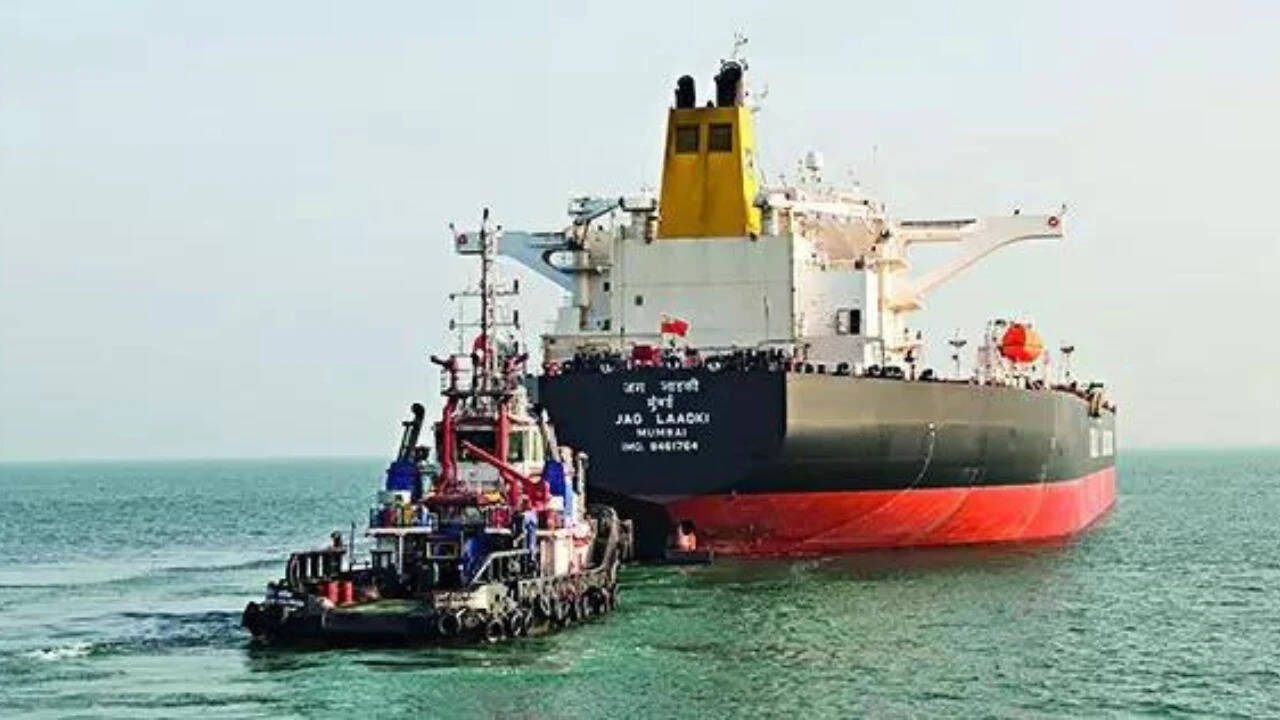
A group of seven large oil tankers that were originally sailing toward China have reportedly changed their course. These ships are now heading to Indian ports instead. This sudden shift in the global oil trade suggests a change in where energy is being sent in Asia. While tracking data shows this movement, the Indian government has stated it does not have official information regarding these specific changes yet.
Main Impact
The redirection of seven massive tankers is a significant event for the energy market. It shows that India is becoming an even more attractive destination for crude oil compared to other major buyers. If these ships complete their journey to India, it could mean that Indian refineries are securing more supply to meet rising domestic demand. This move also highlights the flexibility of global shipping, where cargo can be sent to the highest bidder or the most stable market even while at sea.
Key Details
What Happened
Shipping data and maritime reports recently identified seven tankers that were initially listed as going to Chinese delivery points. Mid-voyage, these vessels updated their destination logs to various ports along the Indian coast. Such changes often happen when a buyer in one country offers a better price or when a refinery in the original destination cannot take the delivery due to maintenance or full storage tanks.
Important Numbers and Facts
The reports involve seven tankers, most of which are likely Very Large Crude Carriers (VLCCs). Each of these ships can carry around two million barrels of oil. This means a total of roughly 14 million barrels of crude oil could be arriving in India instead of China. The Indian government, through its official channels, responded to these reports by saying they are "unaware" of any such coordinated course change. This suggests the deals might be happening between private oil companies and international suppliers rather than through government-to-government contracts.
Background and Context
India and China are the two largest consumers of oil in Asia. Both countries rely heavily on imports to run their factories, transport goods, and provide energy to their citizens. India imports more than 80% of the oil it uses. In recent years, India has been very active in looking for the best prices on the global market to keep fuel costs low for its people. When global oil prices fluctuate, Indian companies often look for "distressed" or redirected cargo that can be bought at a discount.
China, on the other hand, has seen its demand for oil change as its economy shifts. If Chinese refineries have enough supply or if their demand slows down, tankers often wait at sea until a new buyer is found. India has consistently shown a strong need for more oil, making it the most likely alternative for ships looking for a place to unload their cargo.
Public or Industry Reaction
Market analysts are watching this situation closely. Some experts believe this is a sign that India is outperforming other regional economies in terms of energy consumption. However, the cautious response from the Indian government shows that they want to avoid any diplomatic or market tension. By stating they are unaware of the change, the government is keeping a distance from private commercial decisions made by shipping companies and oil traders.
What This Means Going Forward
This event could be the start of a trend where more oil is sent to India as it grows into a global refining hub. If India continues to buy redirected cargo, it could help keep local fuel prices stable. However, it also means India must ensure its ports and refineries are ready to handle sudden increases in ship arrivals. For the global market, it shows that the flow of energy is moving more toward South Asia. Traders will likely keep a close eye on shipping routes to see if more tankers follow this path in the coming months.
Final Take
The movement of these seven tankers is a clear reminder of how quickly the oil market can change. While the government has not officially confirmed the news, the physical movement of the ships tells a story of India's growing importance as a global energy buyer. As demand in other parts of the world shifts, India is proving to be a reliable and ready destination for the world's most important fuel.
Frequently Asked Questions
Why would an oil tanker change its destination?
A tanker might change its route if a new buyer offers a higher price, if the original buyer cancels the order, or if there is a problem at the original port. It is a common practice in the global oil trade to find the best market while the ship is still moving.
How much oil can these seven tankers carry?
If these are large tankers, they can carry about two million barrels each. Seven such ships would carry a total of 14 million barrels, which is a very large amount of oil that can power many refineries for several days.
Does the Indian government control these ships?
No, most of these tankers are owned by private international shipping companies. They carry oil for various traders and oil firms. The government monitors the energy supply but does not usually control the specific routes of private vessels.



