
Summary
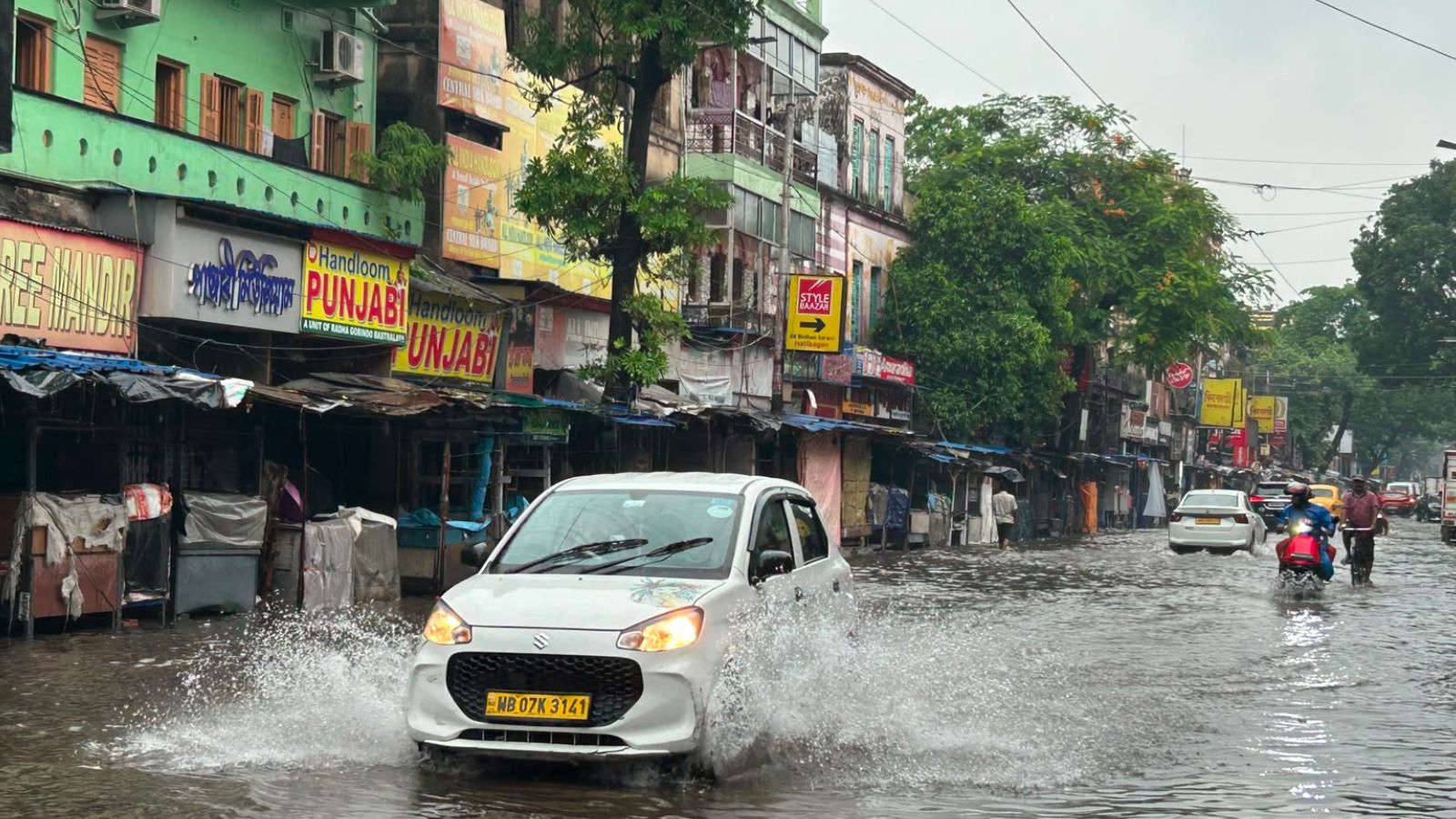
The India Meteorological Department (IMD) has issued a warning for very heavy rainfall in North Bengal over the next few days. This alert comes with a high risk of flash floods and landslides in several districts. Authorities are on high alert and have advised residents in low-lying areas to stay cautious. The weather system is expected to bring significant disruption to daily life.
Main Impact
The main impact of this weather warning is the immediate threat to life and property in North Bengal. Heavy rain can cause rivers to swell rapidly, leading to flash floods in low-lying areas. Landslides are also a major concern in the hilly regions of Darjeeling and Kalimpong. The administration has started preparing for possible evacuations and relief operations. This situation could disrupt road and rail traffic, affecting thousands of commuters and tourists.
Key Details
What Happened
The IMD has updated its weather forecast, predicting very heavy rainfall in North Bengal from July 8 to July 10, 2026. The warning specifically covers districts like Darjeeling, Kalimpong, Jalpaiguri, and Alipurduar. The weather office has also issued an orange alert for these areas. An orange alert means that authorities should be ready to take action. The rain is expected to be continuous and intense, which increases the risk of flooding.
Important Numbers and Facts
The IMD predicts rainfall amounts of over 200 mm in some areas within 24 hours. This level of rain is considered very heavy and dangerous. The warning is in effect for the next 72 hours. The affected districts have a combined population of over 5 million people. The region is also a popular tourist destination, with many visitors currently in the hill stations. The monsoon season in North Bengal typically lasts from June to September, but this spell is expected to be particularly severe.
Background and Context
North Bengal is known for its heavy monsoon rains every year. The region has a mix of mountains, hills, and plains, which makes it prone to different types of weather-related disasters. In the hills, heavy rain often causes landslides that block roads and damage homes. In the plains, rivers like the Teesta and Jaldhaka can overflow, flooding villages and farmlands. The IMD issues these warnings to help people and authorities prepare in advance. Past events have shown that quick action can save many lives during such weather emergencies.
Public or Industry Reaction
Local authorities have responded quickly to the warning. The district administrations have put disaster response teams on standby. Schools in some areas have been advised to remain closed for the next two days. Tourists have been asked to avoid traveling to the hills until the weather improves. Local residents, especially those living near rivers, have been told to move to safer places. The tourism industry is concerned about cancellations and loss of business. However, most people agree that safety is the top priority during such weather events.
What This Means Going Forward
Going forward, the main focus will be on saving lives and minimizing damage. The next 48 to 72 hours are critical. Authorities will monitor river levels and rainfall data closely. If the rain continues as predicted, there could be a need for large-scale evacuations. Relief camps are being set up in safe locations. After the rain stops, the focus will shift to assessing damage and starting recovery work. This event also highlights the need for better drainage systems and flood protection in North Bengal. Climate change is making such heavy rain events more common, so long-term planning is important.
Final Take
The IMD's warning for North Bengal is a serious call for action. Heavy rain and flash floods can cause great harm if people are not prepared. The authorities are doing their part, but residents and visitors must also stay alert. Following safety instructions and avoiding unnecessary travel can make a big difference. This is a time for caution and community support. The coming days will test the region's ability to handle extreme weather.
Frequently Asked Questions
What is an orange alert from the IMD?
An orange alert means that the weather is likely to be very bad. It tells authorities to get ready for action. People should also be careful and follow safety advice. It is a warning to prepare for possible danger.
Which areas in North Bengal are most at risk?
The districts of Darjeeling, Kalimpong, Jalpaiguri, and Alipurduar are most at risk. Low-lying areas near rivers and steep slopes in the hills are especially dangerous. People living in these places should be very careful.
What should people do during a flash flood warning?
People should move to higher ground immediately. They should avoid walking or driving through flood water. It is important to listen to local news and follow instructions from authorities. Keeping an emergency kit ready is also a good idea.



