Summary
Artificial intelligence is moving beyond computer screens and entering the physical world through advanced robotics. A new report suggests that the cost of building humanoid robots could drop significantly over the next decade, reaching as low as $13,000 by 2035. This shift means that finance leaders must change how they plan for the future. As robots become more affordable and capable, businesses will need to rethink their budgets, their workforce, and how they measure success.
Main Impact
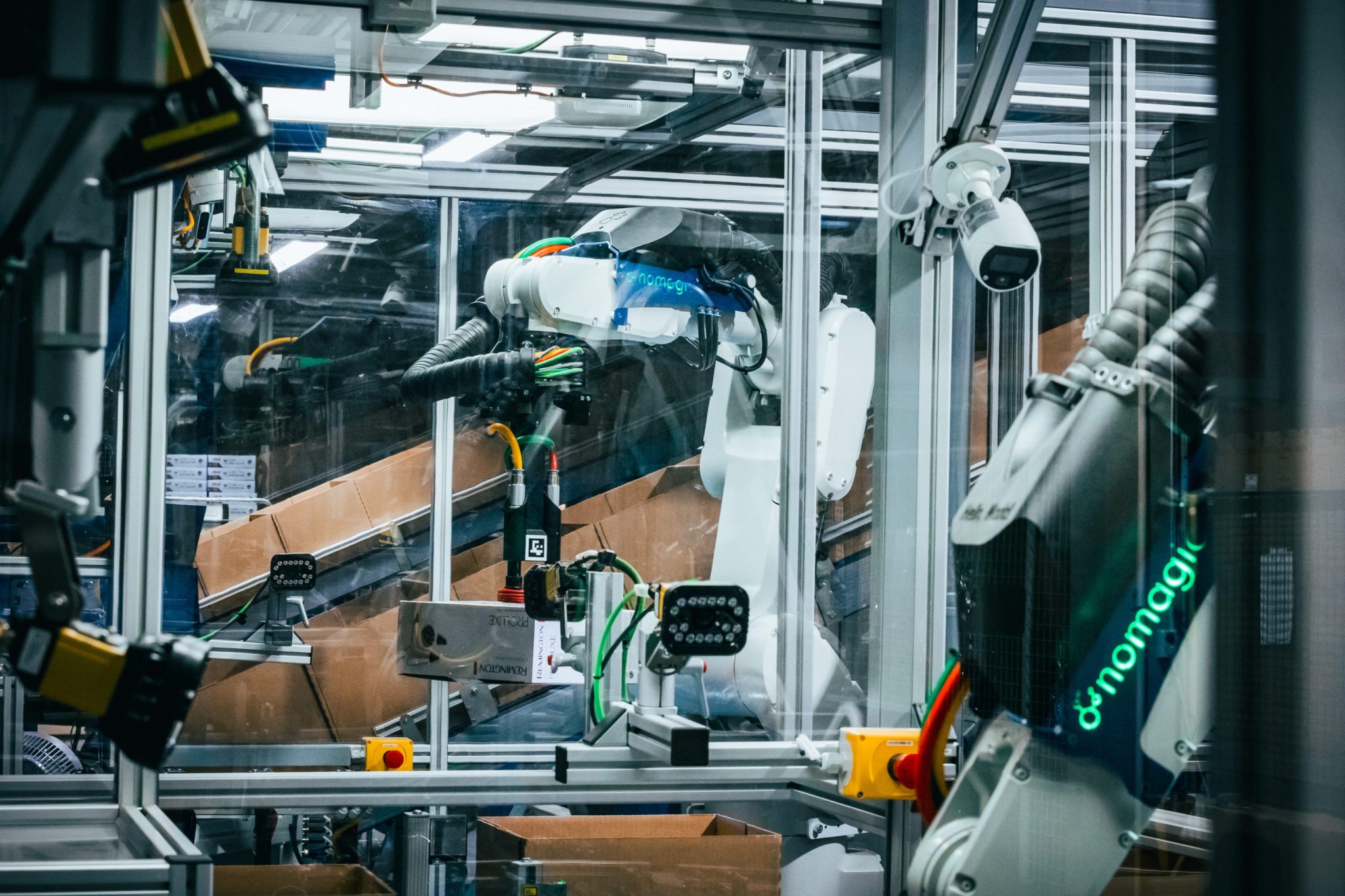
The rise of "Physical AI" is the most significant development in this area. This term describes the combination of AI software with physical machines, sensors, and real-world systems. Instead of just analyzing data on a dashboard, AI can now move and act in factories, warehouses, and shipping centers. This change will lower the cost of production over time, but it also requires companies to spend more on technology and energy right now. For finance departments, this means moving away from traditional accounting and toward a strategy that includes managing a mix of human workers and smart machines.
Key Details
What Happened
Deloitte recently released its "CFO Guide to Tech Trends 2026," which outlines how finance leaders should handle new technologies. The report highlights that AI is no longer just a digital tool. It is becoming "embodied," meaning it is being built into physical forms that can perform complex manual labor. Large companies are already putting this into practice. For example, the car manufacturer BMW is testing humanoid robots to take over jobs that older, simpler industrial robots were unable to handle.
Important Numbers and Facts
The cost of these machines is expected to fall quickly. According to data from the Bank of America Institute, the materials needed to build a humanoid robot will cost about $35,000 in 2025. However, by 2035, that price is expected to drop to between $13,000 and $17,000. This price drop makes robots a realistic option for many more businesses. Additionally, the report mentions the growth of "agentic AI," which refers to systems that can take independent actions rather than just providing information to a human user.
Background and Context
For several years, AI has been used mostly for writing, coding, and analyzing data. While these digital tools are helpful, they do not help with physical tasks like moving boxes or assembling parts. Physical AI changes this by giving the software a body. This matters because many industries are facing labor shortages and rising costs. By using robots that can learn and adapt, companies hope to keep their operations running smoothly. However, these robots require specialized computer chips and a large amount of electricity, which creates new financial challenges for businesses to solve.
Public or Industry Reaction
Experts in the finance industry are focusing on how to measure the "Return on Investment" (ROI) for these new systems. It is not as simple as comparing the price of a robot to the wages of a worker. CFOs are now looking at how robots improve quality control, speed up supply chains, and change the way products are made. Many industry leaders believe that finance teams must be retrained. These teams need to understand the technical side of AI so they can accurately report on its value and manage the risks that come with high-tech investments.
What This Means Going Forward
As we move toward 2035, the role of the Chief Financial Officer will continue to expand. They will be responsible for making big bets on which technologies will help the company grow. This involves managing new types of costs, such as the high energy use required by AI systems. Companies will also need to focus on "upskilling," which means teaching current employees how to work alongside robots. The goal is to create a hybrid workforce where humans handle creative and complex decisions while robots handle repetitive or dangerous physical tasks.
Final Take
The drop in robot prices represents a major shift in how the world does business. Finance leaders are moving from being people who just record history to people who help create the future. By preparing for the arrival of affordable, physical AI now, companies can stay ahead of their competitors and build a more efficient way of working.
Frequently Asked Questions
How much will a humanoid robot cost in the future?
Experts predict that the cost of materials for a humanoid robot will drop to between $13,000 and $17,000 by the year 2035.
What is Physical AI?
Physical AI is the combination of artificial intelligence software with physical hardware like robots and sensors, allowing machines to perform tasks in the real world.
Why is this important for finance leaders?
Finance leaders need to understand these trends because they affect company costs, how profits are calculated, and the type of training employees will need in the future.