
Summary
Gujarat is currently seeing a massive wave of political activity as local elections approach. Today, April 13, marks the final day for election officials to check the nomination forms of candidates. This process is vital because it determines who is officially allowed to run for office in 15 municipal corporations, 34 district panchayats, and hundreds of other local bodies. As the deadline nears, the atmosphere has become very tense, with major political parties facing internal protests and heated public arguments.
Main Impact
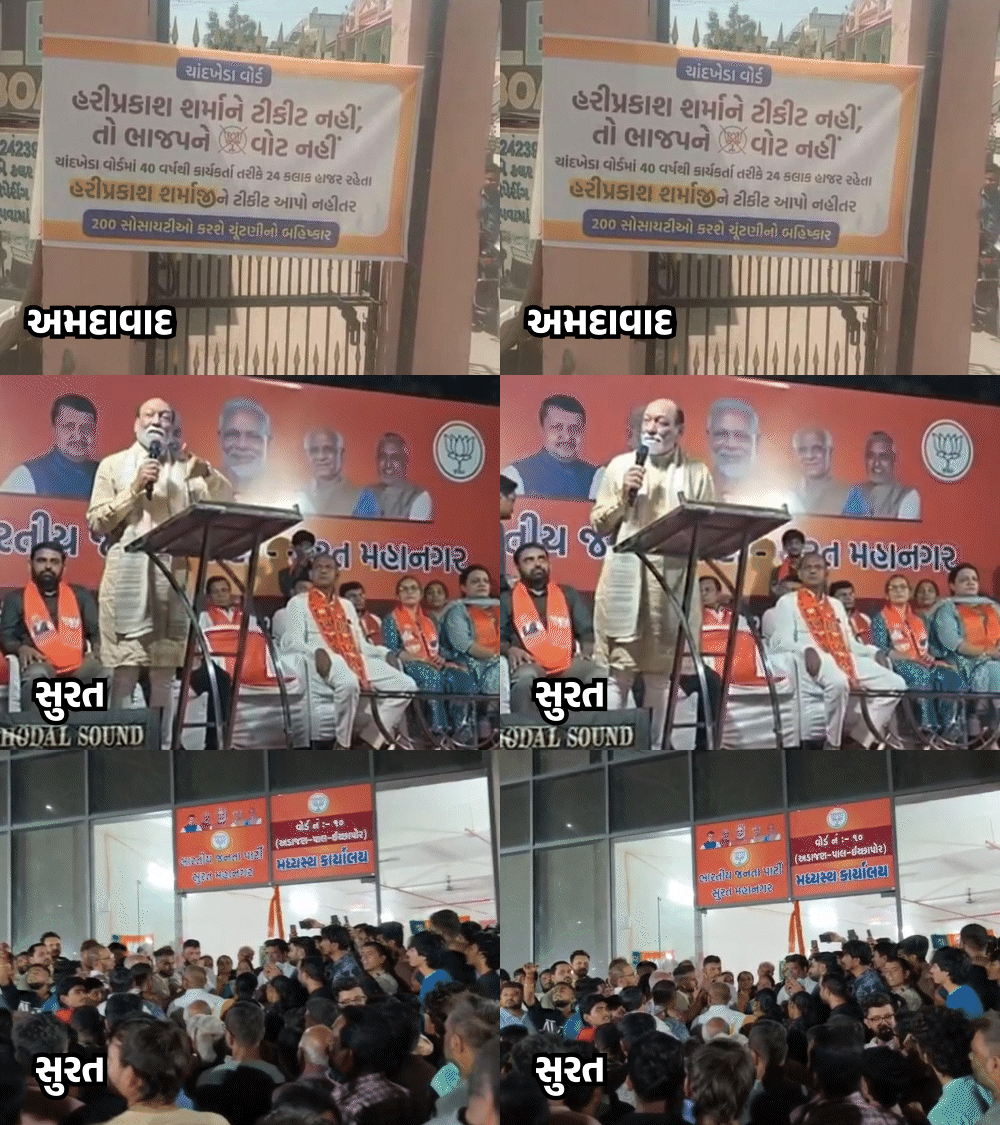
The current election cycle is putting a lot of pressure on the state's main political players: the BJP, Congress, and the Aam Aadmi Party (AAP). The most significant impact right now is the visible split within party ranks. In several cities, local workers are angry about which candidates were chosen to represent them. This internal fighting has led to public protests and even police intervention. These local conflicts could change the balance of power in areas that were previously considered safe for certain parties.
Key Details
What Happened
The election process has reached a critical stage where officials verify the paperwork of every person who wants to be a candidate. While this is a standard legal step, it has become a flashpoint for conflict this year. In Surat, specifically in Ward Number 10 (Adajan-Pal), more than 300 people gathered at the BJP office to protest. They believe the party ignored local leaders and picked the wrong candidates. The situation became so heated that the police had to be called in to keep the peace and prevent violence.
Important Numbers and Facts
The scale of these elections is very large. Voters will be choosing representatives for 15 municipal corporations, 34 district panchayats, 84 municipalities, and 260 taluka panchayats. The timeline is also very tight. After the form checking ends today, candidates have until April 15 to withdraw their names. Many parties are currently using various methods to convince their rivals to drop out of the race before that Wednesday deadline. Once the withdrawal period ends, the final list of candidates will be clear, and the real battle will begin.
Background and Context
Local elections are often called the "grassroots" of democracy. These officials are responsible for everyday needs like clean water, local roads, and trash collection. Because these roles are so close to the people, the competition is usually very personal. In Gujarat, the BJP has held a lot of power for a long time, but the rise of the AAP and the steady presence of Congress have made these local races much more competitive. When a party chooses a candidate that the local community does not like, it often leads to the kind of protests we are seeing today in Surat and Vadodara.
Public or Industry Reaction
The public reaction has been a mix of anger and debate. A major highlight involves Kumar Kanani, a BJP MLA from Varachha. During a speech about development, he got into a verbal fight with AAP workers. When the AAP workers reminded him that development is paid for by the people's tax money, Kanani responded with a very aggressive comment. He asked if the AAP would use their "father's money" for development if they were in power. This comment has gone viral and sparked a huge debate about how politicians talk to the public.
In Vadodara, the reaction took a different form. Posters appeared across the city with the hashtags "#PRO Modi" and "#anti bjp." This shows a unique trend where some voters still like the Prime Minister but are very unhappy with the local branch of his party. This has forced local BJP leaders to hold emergency meetings to address the dissatisfaction among their supporters.
What This Means Going Forward
The next 48 hours are crucial for all political parties in Gujarat. Between now and April 15, party leaders will work hard to stop internal protests and settle arguments. If they cannot fix these internal problems, they risk losing seats to rivals or independent candidates. The aggressive language used by leaders like Kumar Kanani suggests that the campaign will only get more intense and perhaps more personal as the voting day gets closer. Voters are watching closely to see if the parties listen to their complaints or continue to ignore local preferences.
Final Take
The current tension in Gujarat shows that local elections are no longer quiet events. They are high-stakes battles where every candidate choice matters. Whether it is a heated argument in Varachha or protest posters in Vadodara, the message from the public is clear: they want leaders who respect their taxes and their local voices. The coming days will reveal if the major parties can regain control of the narrative or if local anger will lead to a surprise at the polls.
Frequently Asked Questions
What is the deadline for candidates to withdraw from the election?
Candidates have until April 15 to officially withdraw their nomination forms if they decide not to run in the election.
Why were there protests at the BJP office in Surat?
Over 300 people protested because they were unhappy with the candidates chosen for Ward Number 10. They felt the party ignored local preferences and showed favoritism.
What did Kumar Kanani say about development funds?
He responded to critics by saying that development is naturally funded by the public, but he used aggressive language to ask his opponents how they would fund projects if they were in power.



