
Summary
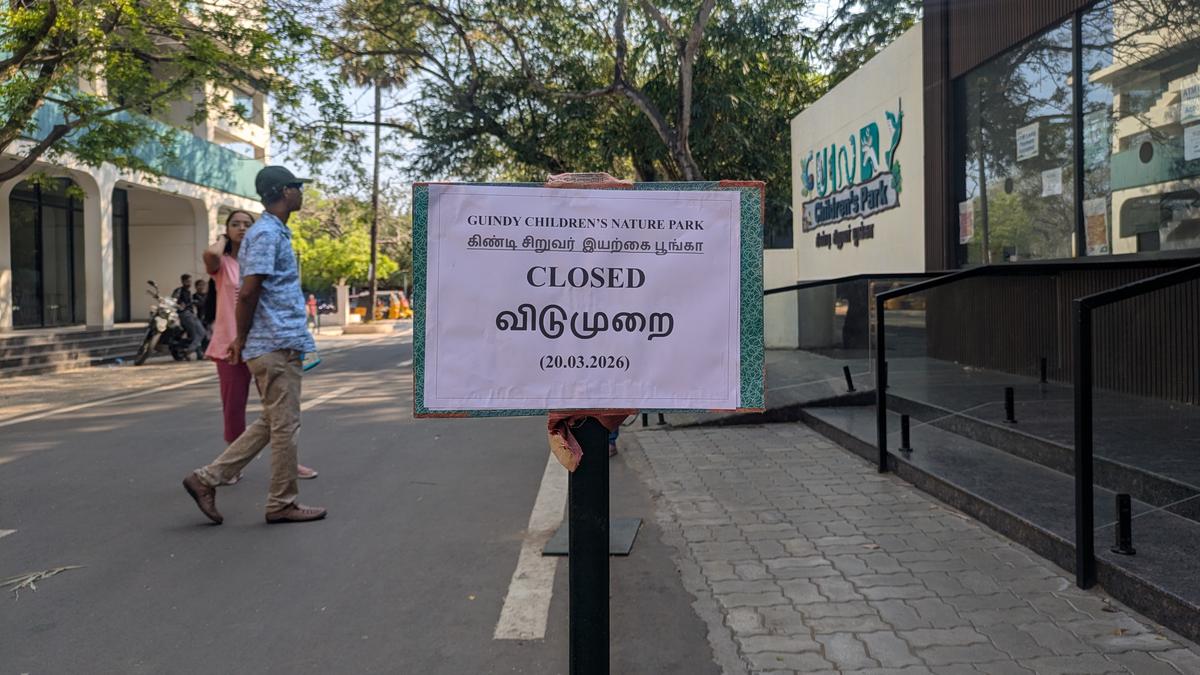
Guindy Children’s Park in Chennai has been closed to the public following a confirmed outbreak of avian influenza, commonly known as bird flu. The decision was made after nearly 40 birds died at the facility within a short period. Health officials confirmed the presence of the H5N1 virus after testing samples at a specialized laboratory. The park will remain shut until safety tests show that the virus is no longer a threat.
Main Impact
The sudden closure of Guindy Children’s Park has a direct impact on local families and tourists who visit the popular site. As one of the few green spaces in the city where children can see wildlife, its closure removes a key educational and recreational spot. More importantly, the outbreak poses a risk to the remaining bird population within the park and potentially to birds in the surrounding areas of Chennai. Authorities are now focused on stopping the virus from spreading further to protect both animals and the public.
Key Details
What Happened
The issue began in mid-March when staff at the park noticed an unusual number of bird deaths. Between March 13 and the present date, approximately 40 birds died unexpectedly. To find the cause, park officials collected samples from the dead birds and sent them to the National Institute of High Security Animal Diseases (NIHSAD) in Bhopal. This lab is the primary facility in India for testing dangerous animal viruses. The results returned positive for H5N1, a highly contagious strain of bird flu.
Important Numbers and Facts
The timeline of the outbreak shows a rapid spread within the park's bird enclosures. Since March 13, the death toll reached nearly 40 birds. The H5N1 virus identified is known for being particularly strong and can lead to high death rates in bird populations. Because of this, the park management decided to stop all public entry immediately. The facility will only reopen once multiple rounds of testing come back negative, ensuring the environment is clean and safe for visitors.
Background and Context
Guindy Children’s Park is a well-known wildlife area located in the heart of Chennai. It serves as a home to various species of birds, deer, and other small animals. Bird flu outbreaks are a serious concern for zoos and wildlife parks because birds live in close quarters, making it easy for a virus to jump from one animal to another. H5N1 is a type of influenza that primarily affects birds but is monitored closely by health experts because it can sometimes pose a risk to other animals or humans who come into close contact with infected birds.
In India, bird flu outbreaks often lead to strict protocols. These include culling infected birds, disinfecting cages, and restricting movement in and out of the affected area. The goal is to create a "bio-bubble" that keeps the virus contained. By closing the park, officials are following standard safety rules to prevent people from accidentally carrying the virus out of the park on their shoes or clothing.
Public or Industry Reaction
The closure has caused disappointment for many families who had planned visits during the school season. However, most people understand that safety is the top priority. Animal rights groups and wildlife experts have expressed concern over the loss of birds and are calling for a thorough investigation into how the virus entered the park. Some suggest that migratory birds or local wild birds flying over the park might have introduced the infection. Health departments in the city are also on alert, monitoring other parks and poultry markets to ensure there are no signs of the virus elsewhere.
What This Means Going Forward
The park will stay closed for the foreseeable future. During this time, workers will perform deep cleaning and use disinfectants across all enclosures. Experts will continue to monitor the health of the surviving birds daily. For the park to reopen, they must prove that the virus is gone. This usually requires several weeks of "negative" test results, meaning no new cases are found. Visitors are advised to check official government updates before planning any future trips to the Guindy area. This event also serves as a reminder for people to avoid feeding wild birds or touching sick animals in public spaces.
Final Take
The outbreak at Guindy Children’s Park is a serious reminder of how quickly wildlife diseases can spread. While the closure is a loss for the city's recreational life, it is a necessary step to protect the environment. Quick action by the park staff and the testing lab in Bhopal has helped identify the problem early. The focus now remains on cleaning the facility and ensuring that the virus does not spread to the wider bird population in Chennai.
Frequently Asked Questions
Why is Guindy Children’s Park closed?
The park is closed because of an outbreak of H5N1 bird flu, which caused the deaths of nearly 40 birds. It will remain shut until it is safe for the public.
Is bird flu dangerous to humans?
While H5N1 mainly affects birds, it can be dangerous to humans who have very close contact with infected animals. Closing the park helps prevent any risk to visitors.
When will the park reopen?
There is no set date for reopening yet. The park must show consistent negative test results for the virus before officials allow people to visit again.



