Summary
Global stock markets are facing a sharp sell-off as investors react to new trade threats from the United States. While markets initially rose after a Supreme Court ruling on tariffs, the mood quickly changed when President Donald Trump suggested even harsher trade taxes. Traders are now worried that these new policies will be more complex and damaging than previous ones. As a result, many investors are moving their money into safe assets like gold while they wait to see what happens next.
Main Impact
The biggest impact of this news is a sudden return to market uncertainty. For a short time, investors believed that trade might become easier and cheaper. However, the possibility of a 15% tariff on imported goods has reversed that optimism. This shift has caused stock prices to drop in Europe and the United States, while the value of the U.S. dollar has also weakened against other major currencies. The "risk appetite" of big investors—which measures how much they are willing to gamble on stocks—has fallen significantly from its recent highs.
Key Details
What Happened
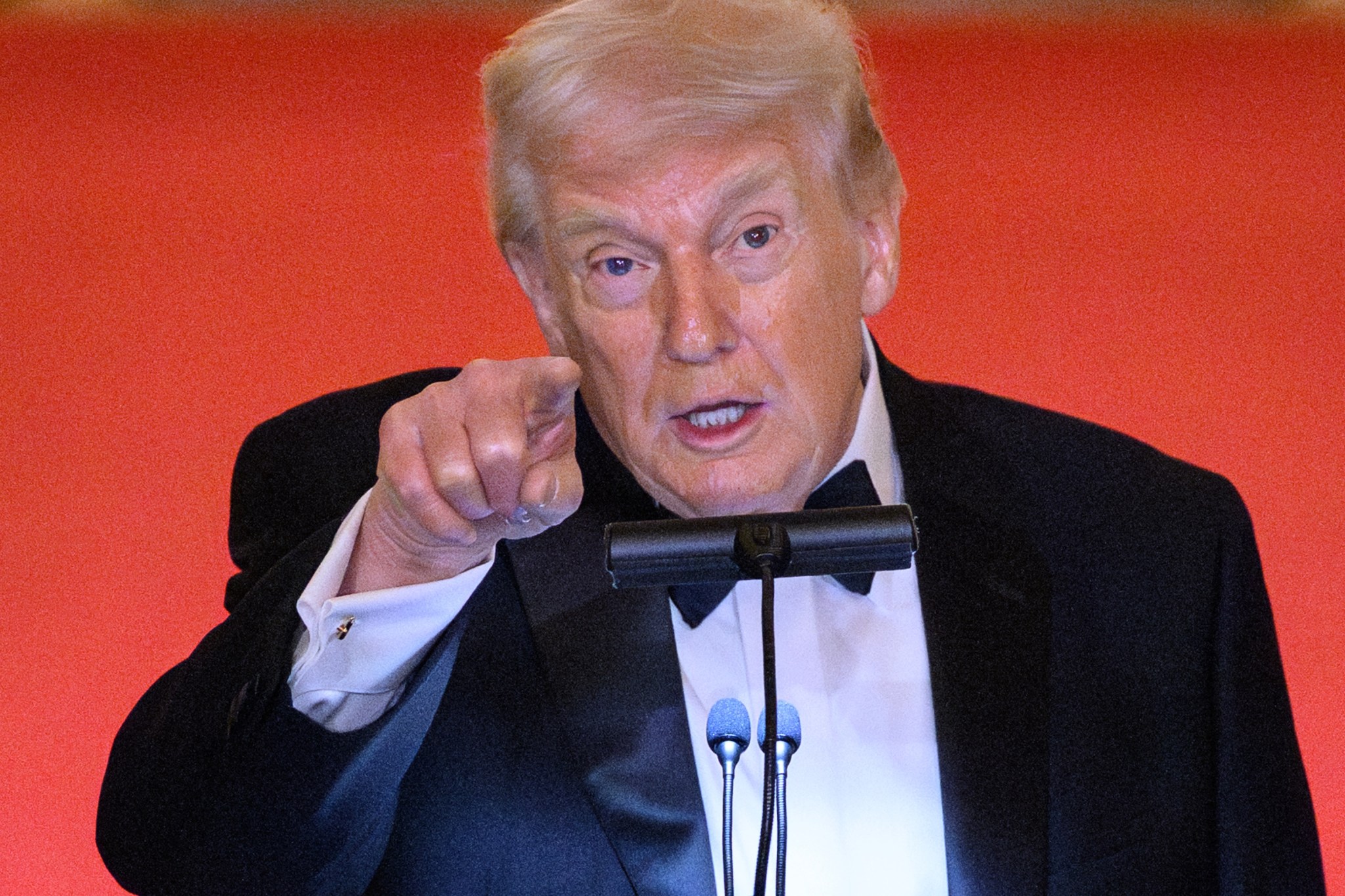
The market movement started after the U.S. Supreme Court issued a decision regarding how tariffs are handled. At first, the news seemed positive, and the S&P 500 index grew by nearly 0.7% last Friday. However, the situation changed when President Trump began discussing new plans for trade taxes. He first mentioned a 10% tariff but later increased that suggestion to 15%. This change led financial experts to look closer at the legal tools the President could use to enforce these taxes, many of which are very strict.
Important Numbers and Facts
- S&P 500 Futures: Dropped by 0.22% before the New York market opened.
- Gold Prices: Rose by 1.81% as investors looked for a safe place to put their money.
- Bitcoin: The price of the cryptocurrency fell to approximately $66,400.
- European Markets: The STOXX Europe 600 index fell by 0.28% in early trading.
- Proposed Tariffs: The suggested tax rate on imports moved from 10% to 15%.
Background and Context
A tariff is a tax that a government puts on goods coming in from other countries. Governments often use them to protect local businesses or to gain an advantage in trade talks. However, tariffs also make products more expensive for companies and shoppers. In recent years, trade rules have changed frequently, making it hard for businesses to plan for the future. The current confusion stems from different laws that allow the President to set these taxes without needing immediate approval from other parts of the government. This creates a situation where trade rules can change very quickly, catching investors off guard.
Public or Industry Reaction
Financial experts are warning that the global economy could become "fragmented," meaning countries will stop trading as much with each other. Analysts from banks like UBS and BNP have noted that the new trade options are "highly punitive," or very harsh. Other countries are already reacting to this news. For example, the European Union has considered delaying a trade deal with the U.S. until the rules are clearer. Similarly, India has postponed scheduled trade talks. Many experts believe that Asian companies will start focusing more on trading with their neighbors rather than relying on the U.S. market.
What This Means Going Forward
In the coming months, trade policy is likely to become a "patchwork" of different rules and agreements. There are three main legal paths the U.S. government might take. One path is temporary and requires help from Congress, but others have no upper limit on how high the taxes can go. These rules could target specific items like cars, car parts, semiconductors, and medicines. Because these laws are so flexible, businesses will have to deal with constant changes. This likely means that stock markets will remain volatile, and the global economy may continue to split into different regional groups.
Final Take
The recent market drop shows that investors are no longer confident in a simple or easy trade environment. As the U.S. explores more aggressive ways to tax imports, the rest of the world is pulling back to protect its own interests. For now, the focus has shifted from growth to safety, as seen in the rising price of gold. The era of predictable global trade seems to be fading, replaced by a period of high complexity and frequent policy shifts.
Frequently Asked Questions
Why did stocks go down if a court ruling initially seemed good?
While the court ruling was seen as a positive step for trade, the President's reaction—suggesting a 15% tax on imports—created new fears. Investors worry that these new taxes will be harder to manage and more expensive for businesses than the old ones.
Why is the price of gold going up?
Gold is often called a "safe haven" asset. When the stock market is uncertain or risky, investors sell their stocks and buy gold because it usually holds its value better during times of political or economic trouble.
How are other countries responding to the U.S. tariff news?
Many countries are pausing their trade negotiations with the U.S. The European Union and India have both signaled that they want more clarity on U.S. policy before they sign any new agreements or move forward with existing deals.