
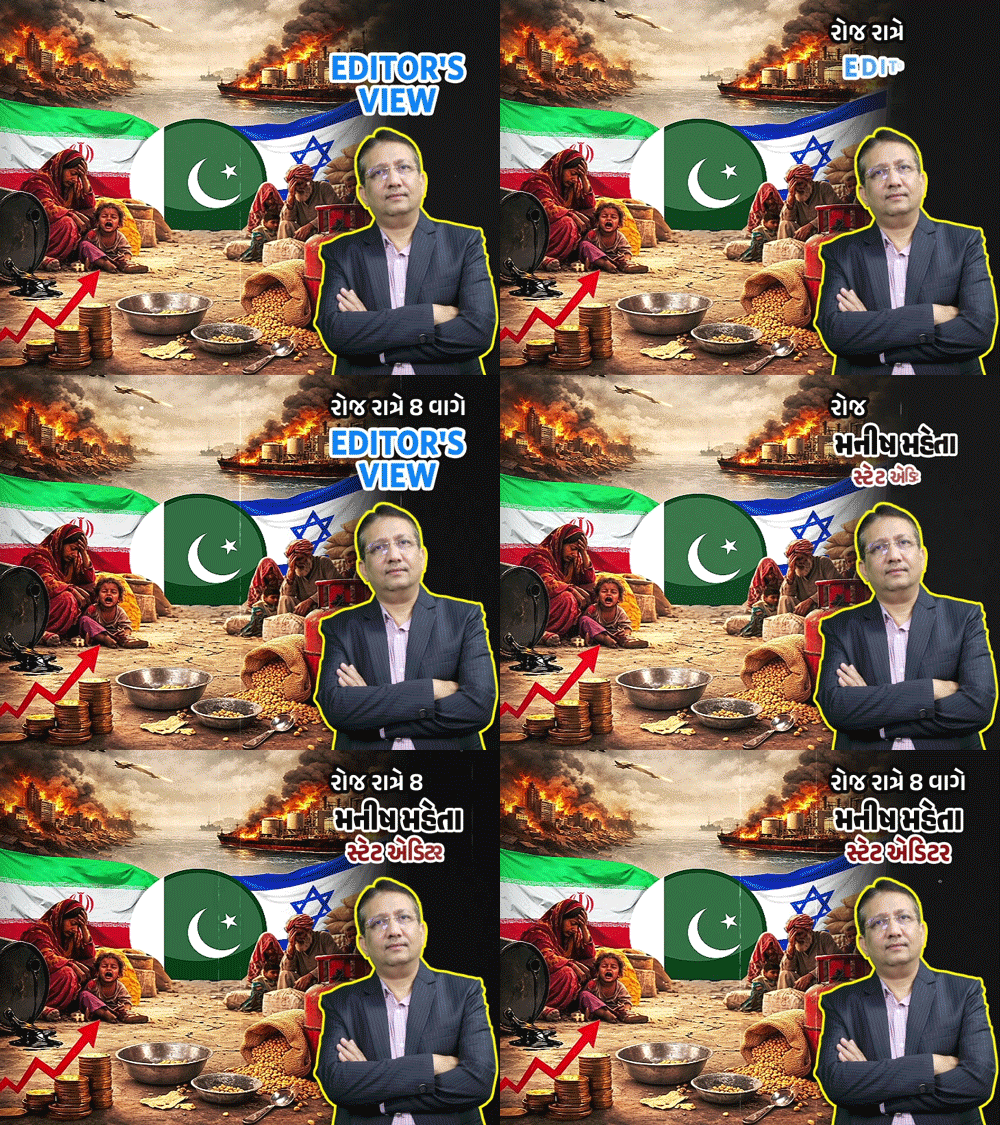
Summary
The world is currently facing a dangerous situation caused by three major problems: ongoing wars, rising prices, and a massive hunger crisis. While leaders try to arrange peace talks in Pakistan, diplomatic mistakes and continued fighting have put these efforts at risk. Experts warn that if these conflicts do not stop, over 360 million people could face starvation. This crisis is no longer just about politics; it is a threat to the survival of millions of families across the globe.
Main Impact
The most immediate effect of these global conflicts is the total breakdown of the world’s supply chains. With key sea routes like the Strait of Hormuz being blocked or controlled, the movement of essential goods has stopped. This has caused a "price bomb" to explode, making oil, electricity, and food too expensive for many. The International Monetary Fund (IMF) and the World Food Programme (WFP) have warned that this economic pressure is pushing poor nations toward a total collapse.
Key Details
What Happened
A high-stakes meeting was planned in Islamabad, Pakistan, to bring the United States and Iran together for peace talks. However, the meeting faced immediate trouble. Iran delayed its arrival to protest Israeli attacks in Lebanon. At the same time, a social media post by Pakistan’s Defense Minister, Khawaja Asif, caused a diplomatic fight. His comments were seen as taking sides, which ruined Pakistan’s image as a neutral middleman. Israel responded strongly, calling the comments shocking and unacceptable. Although the post was later deleted, the trust needed for peace talks was badly damaged.
Important Numbers and Facts
The economic data shows a scary picture of the near future. Oil prices have jumped to over $140 per barrel, which increases the cost of everything from farming to shipping. Global shipping insurance costs have risen by 50%, and electricity prices in Europe have spiked by 60%. The IMF has lowered its growth predictions for the Middle East from 2.4% to just 1.8%. Most importantly, the number of people facing extreme hunger has reached 36.3 crore (363 million), which is double the number seen in 2019.
Background and Context
This crisis did not happen overnight. It is the result of long-term fighting between Russia and Ukraine combined with new, violent conflicts between Israel, Iran, and various groups in the Middle East. These regions are vital because they provide the world with energy and the chemicals needed to make fertilizer. When these areas are at war, farmers cannot get the fertilizer they need to grow crops. This leads to less food being produced, which makes prices go even higher. It is a cycle that hurts the poorest people the most.
Public or Industry Reaction
Global organizations are deeply worried. The WFP has identified "hunger hotspots" where the situation is most desperate. In places like Sudan, Yemen, and Afghanistan, millions are already living without enough food. Industry experts in the tech world are also concerned because the supply of materials like helium and aluminum, used for making electronics, has been cut off. Meanwhile, political leaders remain aggressive. While some call for peace, others continue to use strong language that suggests more fighting is on the way.
What This Means Going Forward
The next few days are critical. The rescheduled peace talks on April 11 will show if countries are willing to stop the violence. If these talks fail, the risk of "food riots" or civil wars over basic resources will increase by 2027. In South Asia, countries like Pakistan, Sri Lanka, and Bangladesh are already seeing high inflation and energy shortages. For these nations, the failure of global diplomacy means more poverty and a harder life for the middle class and the poor.
Final Take
The world is at a turning point where the decisions of a few leaders will affect the lives of billions. The link between war, fuel prices, and hunger is now clear. Without a real effort to restore peace and open trade routes, the global community faces a future of deep instability. Solving the hunger crisis is no longer just a charity goal; it is the only way to prevent a global disaster that could last for years.
Frequently Asked Questions
Why are food prices rising so fast?
Food prices are rising because the cost of oil and fertilizer has increased due to war. When it costs more to transport goods and grow crops, the price of food in the market goes up for everyone.
How many people are affected by the hunger crisis?
According to the World Food Programme, about 363 million people are currently struggling with hunger. This is twice as many people as there were in 2019, before these major conflicts and economic issues began.
What is the Islamabad Summit?
The Islamabad Summit is a meeting organized in Pakistan to help the United States and Iran reach a peace agreement. It is seen as a last chance to stop the fighting in the Middle East and fix the global supply chain.



