
Summary
A violent incident at the Grand Central subway station in New York City ended with a suspect dead and three people injured. Police officers shot a man, identified as Anthony Griffen, after he attacked commuters with a large knife and then moved toward the officers. The victims are currently in stable condition, and authorities have confirmed that the attack was not related to terrorism. This event has once again brought the issue of subway safety and mental health to the forefront of public discussion in the city.
Main Impact
The immediate impact of this shooting was felt by hundreds of commuters who were at the station during the time of the attack. Grand Central is one of the most important transit hubs in the world, and any act of violence there causes widespread fear and disruption. Beyond the physical injuries to the three victims, the event has shaken the public's sense of security in the New York City transit system. It also puts more pressure on city officials to address how they handle individuals who may be experiencing severe mental health crises in public spaces.
Key Details
What Happened
The incident began when Anthony Griffen started acting aggressively toward people inside the subway station. Witnesses reported that he was carrying a large knife and appeared to be in a highly agitated state. During the encounter, he reportedly claimed to be "Lucifer," a name often used to refer to the devil. He used the knife to injure three people before police officers arrived at the scene.
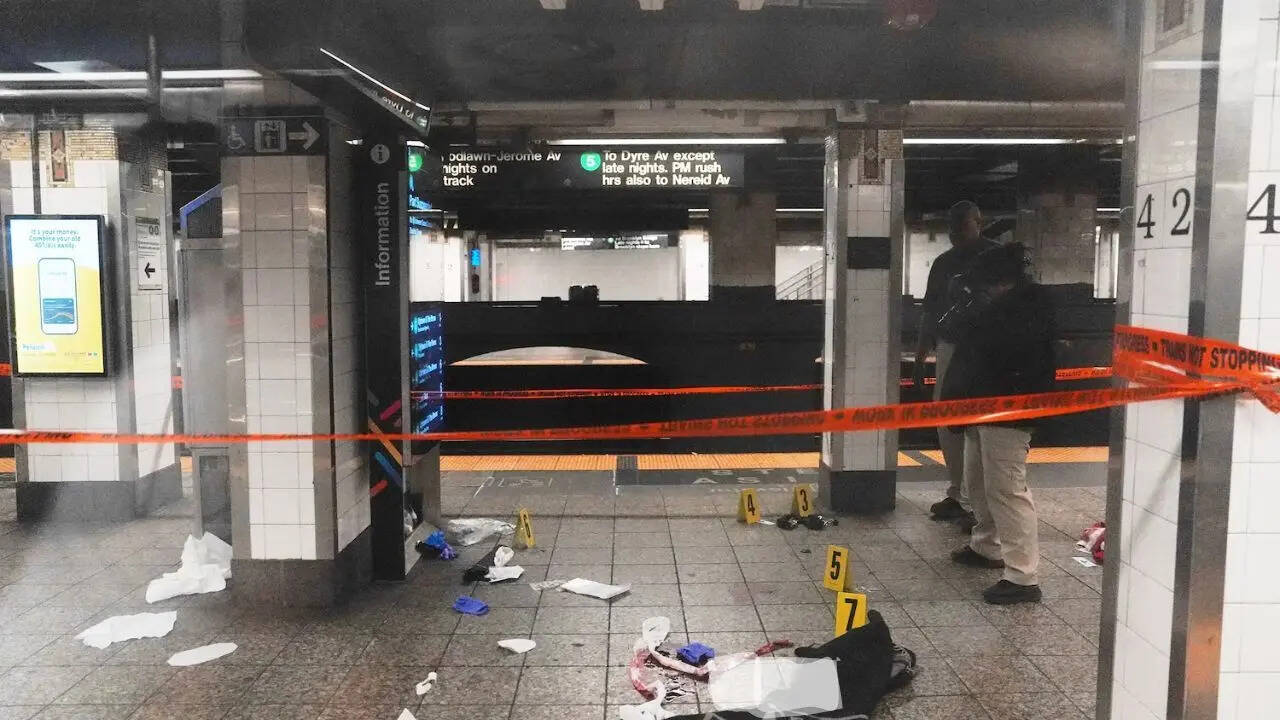
When the New York Police Department (NYPD) officers confronted Griffen, they ordered him to drop the weapon. Instead of following their commands, he moved toward the officers while still holding the knife. Fearing for their safety and the safety of others, the officers fired their weapons. Griffen was hit and later died from his injuries. The area was quickly cordoned off as emergency workers treated the injured and investigators began collecting evidence.
Important Numbers and Facts
The following facts have been confirmed by the police and medical officials:
- Suspect: Anthony Griffen, who was shot and killed by police.
- Victims: Three people were injured during the knife attack.
- Condition: All three victims are reported to be in stable condition at local hospitals.
- Location: The Grand Central subway station, a major hub for several train lines.
- Weapon: A large knife was recovered at the scene.
- Terrorism Link: Authorities stated there is no evidence connecting this event to any terrorist group or motive.
Background and Context
Safety in the New York City subway system has been a major topic of debate for several years. Millions of people rely on these trains every day to get to work and school. While crime rates fluctuate, high-profile attacks like this one often lead to calls for more police presence and better mental health services. The city has tried various programs to make the subways feel safer, including adding more cameras and increasing the number of officers patrolling the platforms.
This specific case also highlights the challenge of dealing with individuals who show signs of mental instability. The suspect's claims about his identity suggest he may have been suffering from a psychological break. In New York, there is an ongoing conversation about whether police or mental health professionals should be the first to respond to such situations. However, when a weapon is involved and people are being hurt, the police are usually the ones who must step in to stop the immediate danger.
Public or Industry Reaction
The reaction from the public has been a mix of fear and praise for the quick response of the police. Many commuters expressed that they feel uneasy using the subway, especially during late hours or at very busy stations. On social media, people shared their experiences of the chaos, describing the sound of gunshots and the sight of people running for safety.
City leaders and police officials held a press conference shortly after the event. They praised the officers for their bravery and for preventing more people from getting hurt. At the same time, transit advocacy groups are using this event to ask for more long-term solutions. They argue that while police are necessary for emergencies, the city needs to do more to help people before they reach a point of violence in public places.
What This Means Going Forward
In the coming weeks, there will likely be an increase in police patrols at Grand Central and other major stations like Times Square and Penn Station. This is a common response to high-profile crimes to help the public feel more secure. The NYPD will also conduct a full investigation into the shooting, which is standard procedure whenever an officer uses their firearm. This investigation will look at body camera footage and witness statements to ensure that the use of force was necessary.
There may also be new discussions in the city council about funding for mental health outreach teams. If the suspect was known to social services, there will be questions about whether this tragedy could have been prevented. For the average commuter, the event serves as a reminder to stay aware of their surroundings while traveling through the city's vast transit network.
Final Take
The shooting at Grand Central is a tragic reminder of the difficulties of maintaining safety in a large, open city. While the quick action of the police likely saved lives, the fact that such an attack could happen in a major hub is concerning. Moving forward, the city must find a balance between strong security measures and effective mental health support to prevent similar incidents from happening again. The recovery of the victims remains the top priority for the community at this time.
Frequently Asked Questions
Was the attack at Grand Central related to terrorism?
No. New York City authorities have confirmed that there is no link to terrorism. The suspect appeared to be acting alone and made statements that suggested a mental health crisis rather than a political or religious motive.
What happened to the people who were stabbed?
Three people were injured by the suspect's knife. They were taken to nearby hospitals and are currently in stable condition. Their injuries are not expected to be life-threatening.
Who was the suspect in the knife attack?
The suspect was identified as Anthony Griffen. He was shot by police after he refused to drop his knife and moved toward officers. He died from his injuries at the scene.

