Summary
A bank robber who stole $195,000 was caught after police used a digital tool called a geofence warrant. This technology allowed investigators to see which cellphones were near the bank at the time of the crime. Now, the Supreme Court of the United States must decide if using this data violates the Fourth Amendment, which protects citizens from unreasonable searches. The ruling will determine how much privacy people can expect when carrying smartphones in public.
Main Impact
The outcome of this case will change how police across the country use technology to solve crimes. If the court supports the use of geofence warrants, it gives law enforcement a powerful way to find suspects when there are no witnesses or clear camera shots. However, if the court rules against it, police will lose a tool that has been used to solve murders, robberies, and even the riot at the U.S. Capitol. This decision will set a new standard for digital privacy in the modern age.
Key Details
What Happened
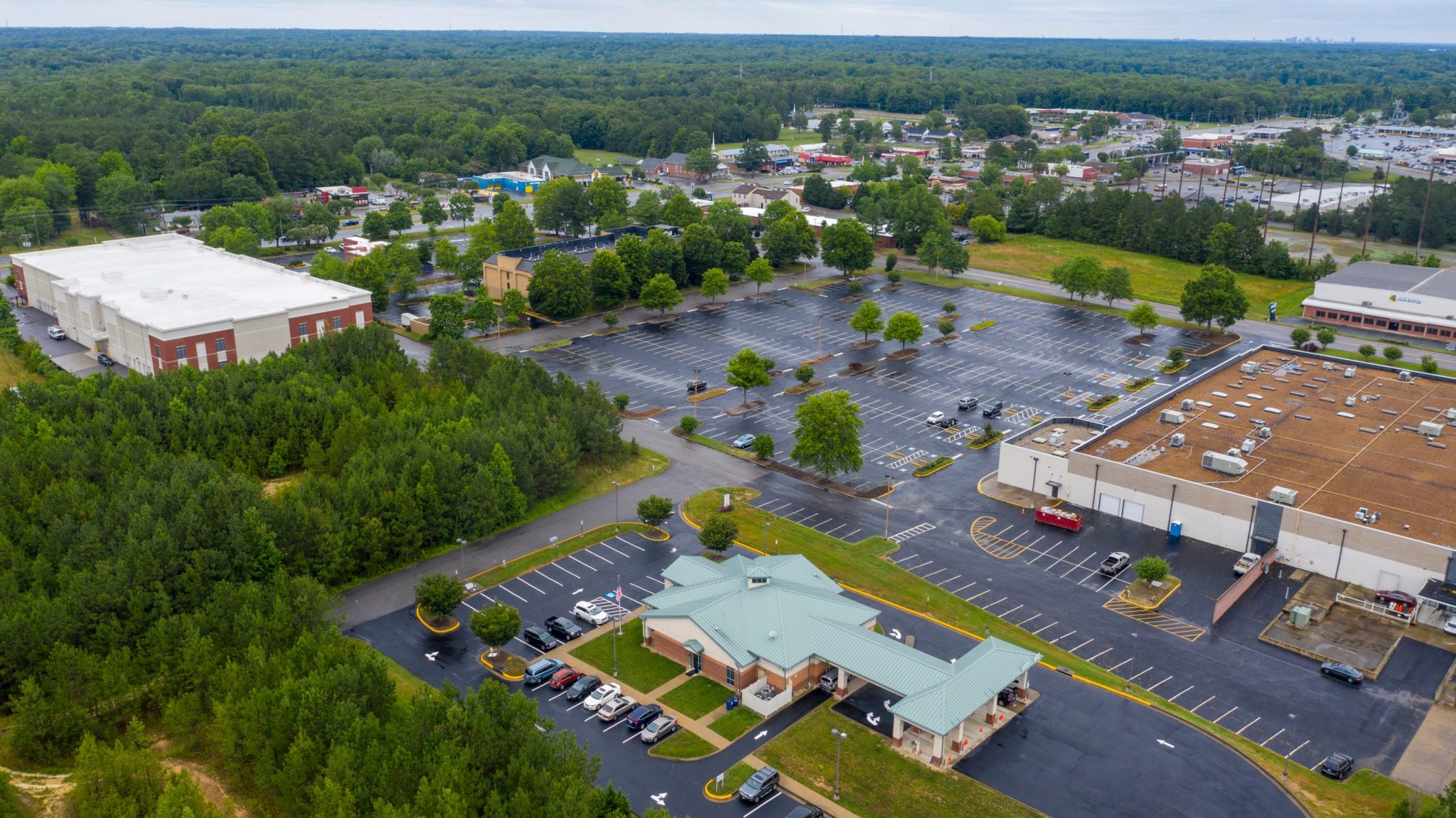
In May 2019, Okello Chatrie robbed the Call Federal Credit Union in a suburb of Richmond, Virginia. He managed to get away with a large amount of cash, and the initial investigation did not lead to any immediate suspects. To move the case forward, police obtained a geofence warrant for Google. This warrant required the company to provide location data for every device that was near the bank during the robbery. The data showed that Chatrie’s phone was in the area. Using this lead, police searched his home and found nearly $100,000 in cash, including money still wrapped in bank bands.
Important Numbers and Facts
Chatrie stole a total of $195,000 during the robbery. After he was caught, he was sentenced to nearly 12 years in prison. The legal battle centers on the Fourth Amendment, which was written in 1791. At that time, the authors could not have imagined a world where everyone carries a tracking device in their pocket. This case is one of two major issues the Supreme Court is hearing this week; the other involves a popular weedkiller and its links to health problems.
Background and Context
Usually, when police want to search someone, they already have a suspect in mind. They go to a judge, show evidence, and get a warrant to search that specific person’s home or phone. Geofence warrants work in the opposite way. Police start with a location and a time, then look at everyone who was there. This means the private data of many innocent people is handed over to the police just because they happened to be walking or driving near a crime scene.
The Supreme Court has struggled with technology before. In 2018, they ruled that police generally need a warrant to track a person’s movements over a long period using cellphone tower data. This new case asks a different question: is it okay to look at the location of many people for a very short period to find one criminal?
Public or Industry Reaction
Law enforcement groups argue that these warrants are necessary for modern policing. They point out that geofence data has helped solve "cold cases" where all other leads had gone dry. They believe that if a person chooses to let Google track their location, they should not expect that information to stay private from the law.
On the other side, privacy rights groups and legal experts are worried. They call these warrants "fishing expeditions." They argue that allowing this practice could lead to a future where the government can track anyone at any time without a specific reason. Some law professors warned the court that a ruling in favor of the police could lead to even more types of "reverse searches" that put the privacy of millions at risk.
What This Means Going Forward
The Supreme Court has a difficult task. They must balance the need for public safety with the right to privacy. If they decide that geofence warrants are "general warrants," they will be banned because the Constitution does not allow broad, non-specific searches. If they decide the warrants are legal, they may still put strict rules on how police can use them. For example, they might require police to prove they have tried every other way to solve the crime first. The decision will likely influence how tech companies like Google and Apple design their software to protect or share user data in the future.
Final Take
This case highlights the growing tension between the convenience of modern technology and the basic right to be left alone. While the data helped catch a man who committed a serious crime, it also put the movements of innocent bystanders into a police database. The Supreme Court's choice will define whether our digital footprints belong to us or if they are open books for the government to read whenever a crime happens nearby.
Frequently Asked Questions
What is a geofence warrant?
It is a legal request that asks a tech company, like Google, to provide data on every cellphone that was within a specific area during a specific time. Police use it to find suspects when they don't know who they are looking for.
Why do some people think these warrants are illegal?
Critics argue they violate the Fourth Amendment because they search the data of many innocent people without any evidence that those people did something wrong. They believe warrants should only target specific suspects.
How did the police find the bank robber in this case?
Police saw that Okello Chatrie's phone was near the bank when it was robbed. They used that information to get a warrant for his house, where they found the stolen money and other evidence of the crime.