Summary
Gasoline prices across the United States are climbing toward an average of $4 per gallon as the conflict involving Iran shows no signs of ending. This steady increase is a direct result of instability in the Middle East, which has made global oil markets nervous. For many American families, these rising costs are making it harder to pay for daily commutes and basic goods. The situation highlights how international events can quickly change the cost of living at home.
Main Impact
The primary impact of these rising fuel costs is felt at the gas pump, but the effects go much further. When gas becomes more expensive, it costs more to move food, clothes, and electronics across the country. This often leads to higher prices at grocery stores and retail shops. Many families are now forced to rethink their spending habits, cutting back on extra trips or luxury items to afford the fuel they need for work and school.
Key Details
What Happened
The ongoing war involving Iran has created a major disruption in the global energy supply chain. Iran is a significant producer of oil, and its location near vital shipping lanes makes it a key player in the energy market. As the fighting continues, investors worry that oil shipments will be blocked or delayed. This fear causes the price of crude oil to rise, and those costs are passed down to consumers at local gas stations within days or weeks.
Important Numbers and Facts
The national average for a gallon of regular gasoline has reached $3.94, according to recent data. This is a significant jump from the $3.50 average seen earlier this year. In some parts of the country, particularly on the West Coast and in major cities, prices have already surged well past the $5.00 mark. Crude oil prices have stayed consistently above $95 per barrel, which is the main reason why gas prices remain so high. Experts note that if the conflict does not settle soon, the national average could hit $4.25 by the start of the summer travel season.
Background and Context
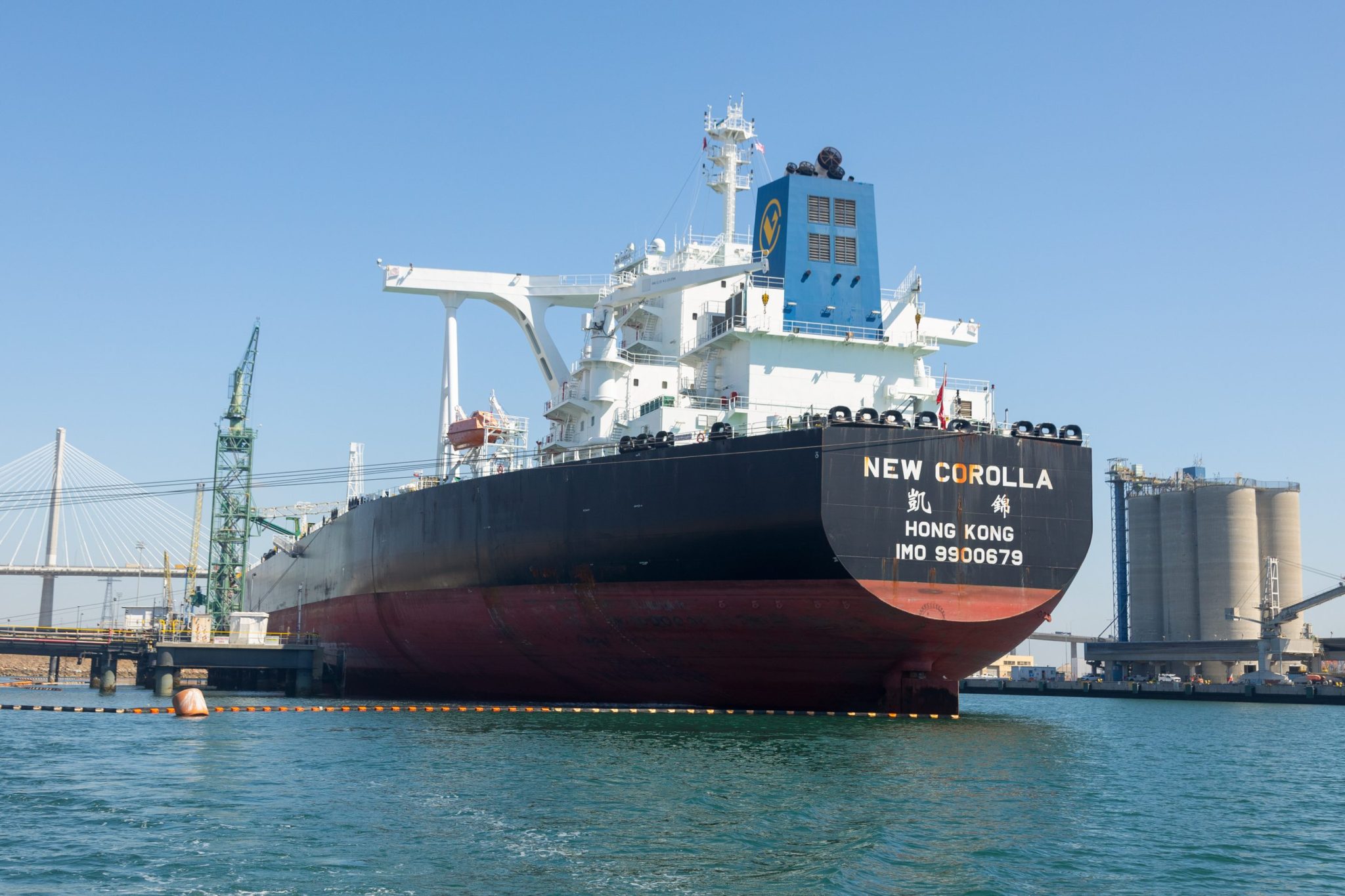
To understand why this is happening, it is important to look at where oil comes from. A large portion of the world's oil travels through the Strait of Hormuz, a narrow waterway near Iran. Because of the war, there are concerns that this waterway could be closed or that tankers could be attacked. If that happens, a huge amount of the world's oil supply would be cut off instantly. Even the possibility of this happening is enough to make prices go up. The world relies on a steady flow of energy, and any threat to that flow causes immediate financial stress globally.
Public or Industry Reaction
Drivers are expressing growing frustration as they watch the numbers on the gas pump climb higher each week. Many people are turning to social media to share tips on finding the cheapest gas or are looking into carpooling options. On the business side, trucking companies are deeply concerned. Since they use large amounts of fuel to deliver goods, their operating costs are skyrocketing. Some shipping companies have already started adding "fuel surcharges" to their bills, which means customers pay more for deliveries. Travel experts also warn that airline tickets may become more expensive if jet fuel prices continue to follow the trend of gasoline.
What This Means Going Forward
Looking ahead, the price of gas will likely stay high as long as the war drags on. If diplomatic talks fail to bring peace to the region, the energy market will remain unstable. The government may consider releasing oil from the Strategic Petroleum Reserve to help lower prices temporarily, but this is not a long-term fix. In the coming months, more people may look toward electric vehicles or public transportation to avoid the high cost of fuel. For now, the best thing consumers can do is plan their trips carefully and keep their vehicles well-maintained to get the best possible gas mileage.
Final Take
The rise toward $4 a gallon is a clear sign of how sensitive the global economy is to conflict. While the war is happening far away, the financial consequences are hitting home for millions of people. Until there is a clear path to peace in the Middle East, the cost of filling up the tank will likely remain a major burden for households across the country.
Frequently Asked Questions
Why does a war in Iran affect gas prices in the U.S.?
Iran is a major oil producer and is located near key shipping routes. When there is a war, it creates a risk that oil supplies will be cut off, which drives up global prices.
Will gas prices go back down soon?
Prices are expected to stay high as long as the conflict continues. They may only drop if the war ends or if more oil is produced in other parts of the world.
What can I do to save money on gas?
You can save money by using apps to find the lowest prices, keeping your tires properly inflated, and avoiding fast acceleration, which uses more fuel.