Summary
Gas prices in the United States are climbing toward the $4 per gallon mark, causing concern for many households. Despite these rising costs, American shoppers continue to spend money on travel, dining, and retail goods. This ability to keep spending even when prices go up has led experts to call them "Teflon consumers." This report looks at how people are reacting to higher fuel costs and what it means for the broader economy.
Main Impact
The primary impact of rising gas prices is a tighter squeeze on monthly budgets. When it costs more to fill up a car, people usually have less money for other things. However, the current trend shows that the US economy is staying strong because people are not stopping their spending habits yet. This resilience makes it harder for the government to bring down overall inflation, as high demand for products keeps prices from falling.
Key Details
What Happened
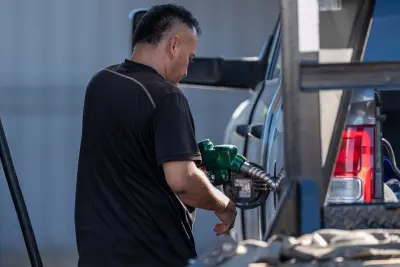
In recent weeks, the price of a gallon of gas has moved closer to a national average of $4. In some states, like California and Washington, prices have already gone well past that point. Usually, when gas gets this expensive, people stay home more or stop buying extra items. This time, the "Teflon" effect is in full swing. People are complaining about the cost, but they are still hitting the road for spring trips and daily commutes. Online communities are buzzing with stories of people who are frustrated but feel they have no choice but to pay the higher rates.
Important Numbers and Facts
The $4 mark is often seen as a psychological tipping point for American drivers. Data shows that when gas stays above this level for a long time, consumer confidence usually drops. Currently, gas prices are about 15% higher than they were at the start of the year. While some people are looking at electric vehicles to save money, the high cost of buying a new car keeps many stuck with gas-powered engines. Retail sales numbers also show that despite fuel costs, spending in other areas has not dropped significantly yet.
Background and Context
To understand why this is happening, we have to look at the job market. Most people in the US still have jobs, and wages have been rising for many workers. This extra income acts like a shield against high prices. The term "Teflon consumer" refers to the idea that high interest rates and expensive gas are not "sticking" to shoppers. In the past, high gas prices almost always led to a recession, which is a period where the economy shrinks. Today, the situation is different because people saved money during the pandemic and are still using those savings to maintain their lifestyle.
Public or Industry Reaction
The reaction from the public is a mix of anger and tired acceptance. On social media and news forums, many people say they are "fed up" with paying so much at the pump. Some users mention that they are cutting back on small luxuries, like expensive coffee or streaming services, just to afford the drive to work. On the industry side, travel experts note that airline ticket sales and hotel bookings remain high. This suggests that while people hate the gas prices, they are not ready to give up their vacations or social lives just yet. There is a clear divide between those who can afford the increase and those on fixed incomes who are struggling to keep up.
What This Means Going Forward
Looking ahead, the big question is how long this spending can last. If gas prices stay at $4 or go higher during the summer driving season, the "Teflon" coating might start to wear off. Many people are starting to use credit cards more often to cover their daily costs. This could lead to high levels of debt that will eventually force people to stop spending. The Federal Reserve, which manages the nation's money, is watching this closely. If consumers keep spending despite high prices, the Fed may keep interest rates high for a longer time to try and cool down the economy.
Final Take
The American consumer has proven to be much tougher than many experts predicted. While $4 gas is a heavy burden, it has not yet been enough to stop the momentum of the US economy. However, there is a limit to how much pressure a household budget can take. If fuel costs continue to rise alongside the price of food and housing, the "Teflon" era of spending may soon come to an end, forcing a major shift in how Americans manage their money.
Frequently Asked Questions
Why are gas prices going up right now?
Gas prices often rise in the spring as refineries switch to a more expensive summer blend of fuel. Additionally, global events and supply changes can affect the cost of crude oil, which makes up most of the price you pay at the pump.
What does "Teflon consumer" mean?
It is a term used to describe shoppers who continue to spend money even when the economy is difficult. Just like a non-stick pan, high prices and high interest rates do not seem to "stick" to them or change their behavior.
Will gas prices go down soon?
Prices usually stay high through the summer because more people are traveling. They may start to drop in the fall when demand decreases and gas stations switch back to cheaper winter fuel blends.