
Summary
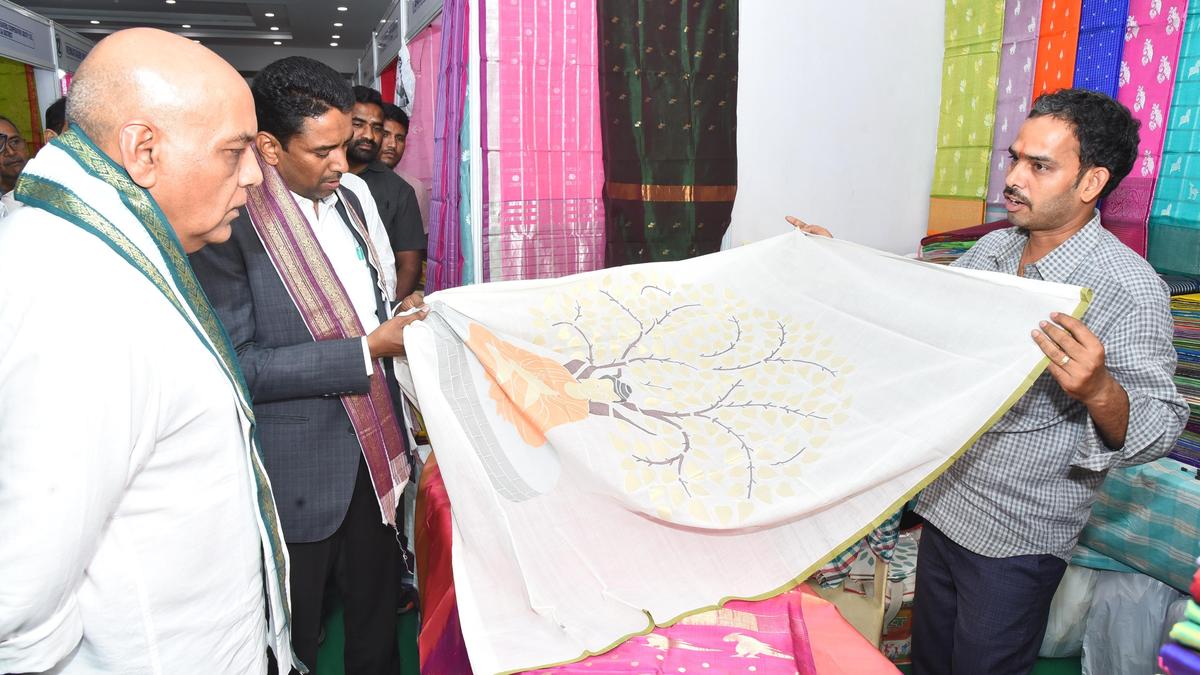
The Gandhi Bunakar Mela has officially opened its doors in Vijayawada, bringing a wide variety of traditional Indian textiles to the local community. This national-level exhibition is designed to provide a platform for handloom weavers to showcase their skills and sell their products directly to the public. The event will remain open until March 31, offering shoppers a chance to buy authentic handmade goods while supporting the livelihoods of artisans from across the country. By cutting out middle-men, the fair ensures that weavers receive a fair price for their hard work and dedication to their craft.
Main Impact
The primary impact of the Gandhi Bunakar Mela is the economic boost it provides to the handloom sector. For many weavers, these exhibitions are the main way they reach customers outside of their small villages. By selling directly to people in a city like Vijayawada, they can earn much more than they would by selling to large wholesalers. This extra income helps them maintain their equipment, buy better raw materials, and support their families. Additionally, the event helps preserve traditional weaving techniques that have been passed down through generations but are currently at risk due to the rise of cheap, machine-made clothing.
Key Details
What Happened
The exhibition started this week with a focus on celebrating the rich history of Indian handlooms. Weavers from different states have set up stalls to display their unique regional styles. Visitors can find a huge range of items, including sarees, dress materials, bedsheets, and towels. Each item is made using hand-operated looms, which means no electricity is used in the weaving process. This makes the products eco-friendly and unique, as no two handmade items are exactly the same. The event is organized with government support to ensure that only genuine handloom products are sold to the public.
Important Numbers and Facts
The Gandhi Bunakar Mela is a significant event with several key facts to keep in mind. The exhibition is scheduled to run for several weeks, concluding on March 31, 2026. It features dozens of stalls representing various weaving clusters from across India. In previous years, similar events have attracted thousands of visitors and generated millions of rupees in sales for the participating artisans. The fair is open daily, usually from morning until late evening, making it easy for working people and families to visit. Prices at the mela are often more affordable than in high-end boutiques because the goods come straight from the makers.
Background and Context
Handloom weaving is one of the oldest and largest industries in India. It provides jobs to millions of people, especially in rural areas. However, the industry faces many challenges today. Fast fashion and power looms can produce clothes much faster and cheaper than a human weaver. This has led to many young people leaving the profession to find other work. The "Gandhi" name in the title of the mela refers to Mahatma Gandhi’s belief in self-reliance and the importance of Khadi and hand-woven cloth. Events like this are part of a larger effort to make handloom popular again among younger shoppers who care about sustainability and supporting local businesses.
Public or Industry Reaction
The response from the people of Vijayawada has been very positive. Many shoppers enjoy the chance to talk to the weavers and learn about the stories behind the fabrics. Local textile experts have also praised the event for bringing high-quality silk and cotton products to the region. Weavers participating in the fair have expressed hope that the long duration of the event will allow them to clear their stock and build a loyal customer base. Industry leaders believe that such exhibitions are vital for the survival of the handloom sector, as they create a direct link between the creator and the consumer that cannot be matched by online shopping or malls.
What This Means Going Forward
Looking ahead, the success of the Gandhi Bunakar Mela in Vijayawada could lead to more frequent events of this type. As more people become aware of the benefits of handloom—such as its durability and comfort in hot weather—demand is expected to grow. The government is also looking at ways to help these weavers sell their products online, but physical fairs remain the most effective way for people to feel the quality of the fabric. If the public continues to support these events, it will ensure that the art of hand-weaving remains a viable way to make a living for future generations of Indian artisans.
Final Take
The Gandhi Bunakar Mela is more than just a place to shop; it is a celebration of human skill and cultural history. By visiting the fair before March 31, residents of Vijayawada can play a small but important part in keeping an ancient tradition alive. Choosing handmade cloth over factory-made items is a simple way to support the local economy and protect the environment. This exhibition proves that even in a world of modern technology, there is still a special place for the beauty and quality of hand-woven textiles.
Frequently Asked Questions
When does the Gandhi Bunakar Mela end?
The exhibition will continue to run in Vijayawada until March 31, 2026.
What kind of products can I find at the fair?
You can find a variety of hand-woven items including silk and cotton sarees, dress materials, home linens, and traditional clothing from different Indian states.
Why is it called the Gandhi Bunakar Mela?
The name honors Mahatma Gandhi’s vision of using hand-woven cloth to promote self-reliance and support rural workers in India.

