Summary
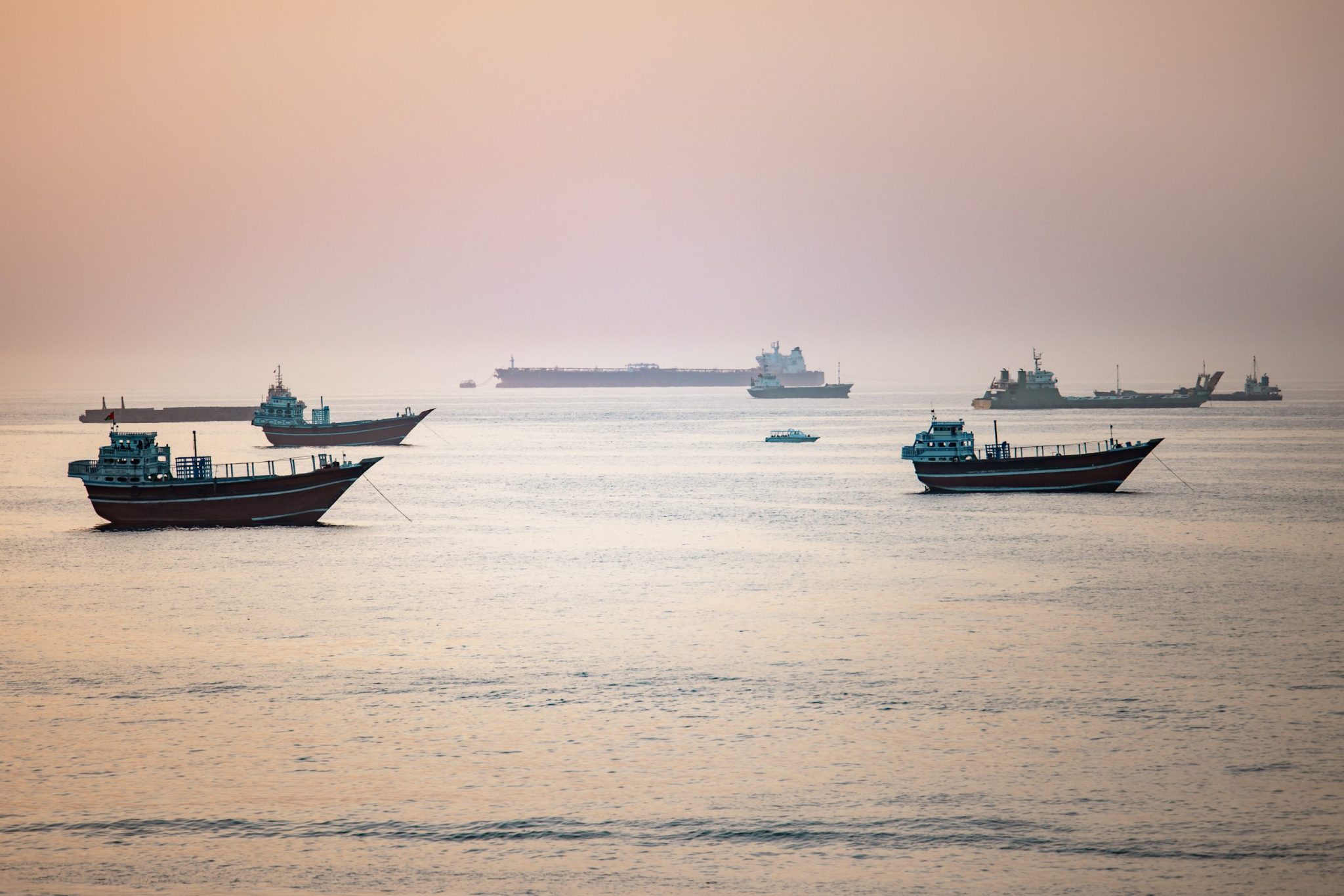
Frontline Plc (FRO) has emerged as a top-performing stock as the Strait of Hormuz remains blocked due to a major international conflict. This narrow waterway is essential for moving the world's oil supply, and its closure has caused shipping costs to rise rapidly. Because Frontline owns one of the largest fleets of oil tankers, it is making more money as routes become longer and more expensive. This situation has turned the company into a primary target for investors looking to profit from the current energy crisis.
Main Impact
The closure of the Strait of Hormuz has completely changed how oil is moved across the globe. When this path is blocked, tankers must take much longer trips to reach their destinations. These longer journeys mean that ships are in high demand, which allows companies like Frontline to charge much higher freight rates. This shift has turned a difficult geopolitical situation into a massive profit driver for the tanker industry. Investors are noticing that while other parts of the stock market are struggling, Frontline is seeing its earnings potential grow every day the water remains shut.
Key Details
What Happened
The crisis began on February 28, 2026, following military actions by the United States and Israel. In response, Iran’s military forces effectively closed the Strait of Hormuz to most shipping traffic. By late March, the situation grew even more tense when President Trump issued a 48-hour deadline for Iran to reopen the waterway. He warned that the U.S. would strike Iranian power plants if the blockade continued. Iran responded by threatening to target energy and water facilities throughout the region, making it clear that the strait might stay closed for a long time.
Important Numbers and Facts
The impact on the market has been immediate and severe. Brent crude oil prices jumped significantly, reaching a peak of $126 per barrel. Frontline’s stock price responded by climbing 7.5% in just five days of trading. The company’s financial health was already strong before the crisis, with a profit of $227.9 million reported for the final quarter of 2025. Additionally, Frontline announced a dividend of $1.03 per share, showing that it has plenty of cash to give back to its shareholders. Currently, the company has a market value of about $7.3 billion.
Background and Context
To understand why this matters, you have to look at how much oil moves through the Strait of Hormuz. About 20% of the world's daily oil and natural gas passes through this small area. It is the most important "chokepoint" in the global energy trade. When it is closed, the world loses access to a huge portion of its fuel. This creates a shortage, which makes the price of oil go up. For shipping companies, this is a rare opportunity. There are not many new tankers being built, so when the existing ones are forced to take longer routes, their value increases because there are no other options for moving the oil.
Public or Industry Reaction
Financial experts on Wall Street are mostly positive about Frontline’s future. Many analysts have given the stock a "Moderate Buy" rating. Some believe the stock price could go as high as $46 per share if the conflict does not end soon. However, there is also a sense of caution. Industry experts point out that the shipping business is very cyclical. This means that while profits are huge right now, they can disappear just as fast if the strait reopens and shipping rates return to normal. Some investors are worried that the stock might be near its peak, while others think the high dividends make it worth the risk.
What This Means Going Forward
The next few weeks will be critical for Frontline and the global economy. If the 48-hour deadline passes without the strait reopening, the conflict could get much worse. This would likely keep oil prices and shipping rates at record highs. For Frontline, this means continued high profits from its large vessels, such as its Very Large Crude Carriers (VLCCs), which are already earning over $74,000 per day. However, a wider war also brings risks, such as potential damage to ships or higher insurance costs. Investors should watch for any signs of a peace deal, as that would likely cause the stock price to drop quickly.
Final Take
Frontline is currently in a unique position where global instability is helping its bottom line. It is a powerful player in a market that has very little competition right now. While the risks of a geopolitical conflict are high, the company’s strong dividends and rising freight rates make it an attractive option for those who believe the energy crisis will last through the spring.
Frequently Asked Questions
Why is Frontline stock going up?
The stock is rising because the closure of the Strait of Hormuz has increased the demand for oil tankers. Longer shipping routes allow Frontline to charge higher prices, leading to more profit.
Is it safe to buy tanker stocks right now?
Tanker stocks can be very profitable during a crisis, but they are also risky. Their value depends on high shipping rates, which can fall quickly if the geopolitical situation improves.
What happens if the Strait of Hormuz reopens?
If the waterway reopens, shipping routes will become shorter and more efficient. This would likely cause freight rates to drop, which could lead to a decrease in Frontline’s stock price.