
Summary
The history of the Indian Army changed forever when the first group of women officers joined its ranks. Two specific women, Major Priya Jhingan and Lieutenant Colonel (Retired) Randhawa, acted as the primary leaders of this movement. Major Jhingan was the very first woman to be accepted as a cadet, while Lt Col Randhawa became the first war widow to serve as an officer after her husband died in the line of duty. Their courage broke long-standing barriers and created a path for thousands of women who serve in the military today.
Main Impact
The entry of these women into the armed forces shifted how the nation views gender roles in the military. For decades, the army was seen as a place only for men, with women limited to medical roles like nursing and surgery. By stepping into leadership positions, these pioneers proved that women could handle the physical and mental demands of military life. This shift led to major policy changes over the next thirty years, eventually allowing women to hold permanent positions and take on combat-related roles.
Key Details
What Happened
In the early 1990s, the Indian Army began a trial to include women in branches other than the medical corps. Major Priya Jhingan made history by being the first person to sign up. She had a strong desire to serve and famously wrote a letter to the Chief of Army Staff asking for the opportunity. Her request was granted, and she joined the Officers Training Academy in Chennai as part of the first batch of women cadets. She is often remembered as "Lady Cadet 001."
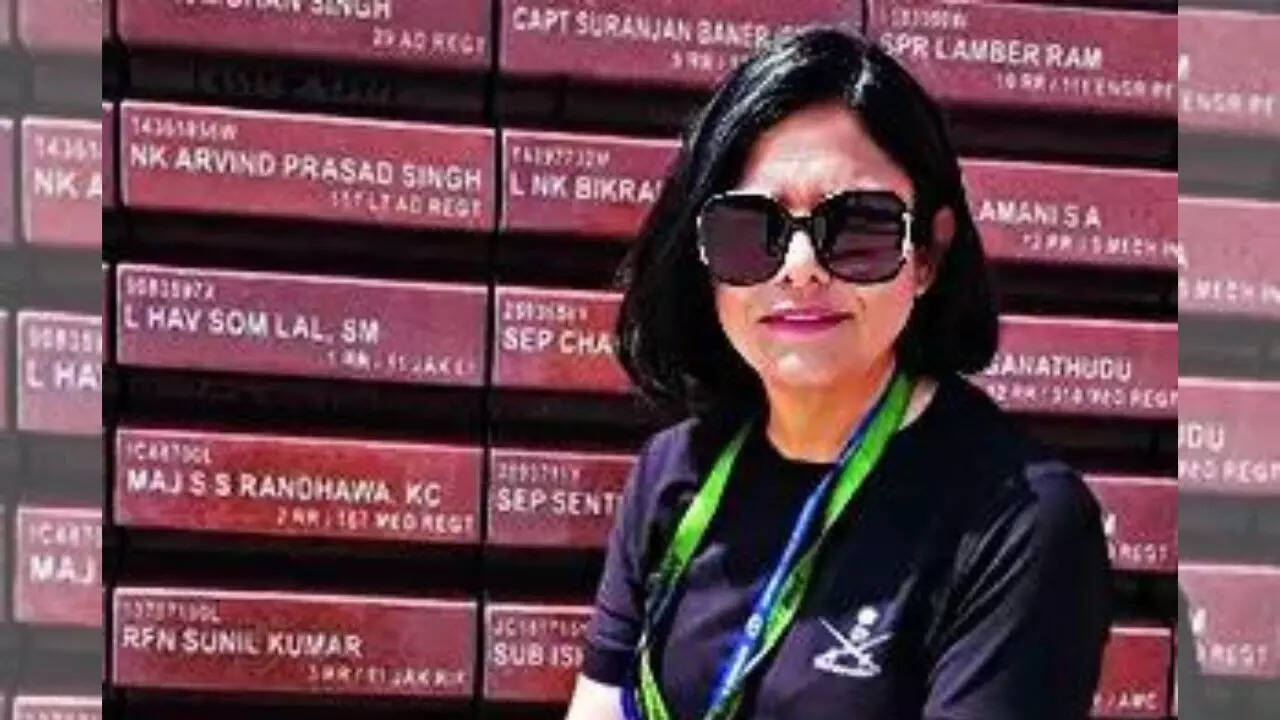
Lieutenant Colonel Randhawa’s journey was born out of personal loss and deep patriotism. Her husband, Major Pramod Purushottam, was a brave officer who died while protecting his fellow soldiers during a terrorist attack. Instead of retreating into grief, she decided to continue his legacy. She joined the army to serve the country just as he had, becoming a symbol of strength for military families across India.
Important Numbers and Facts
The first batch of women officers joined the Indian Army in 1992. At that time, they were only allowed to serve for five to ten years under a short-service contract. Today, the situation is very different. There are now thousands of women serving across the Army, Navy, and Air Force. In recent years, the Supreme Court of India ruled that women must be granted Permanent Commission, meaning they can now serve a full career of 20 years or more, just like their male counterparts. This change ensures they can receive pensions and reach the highest ranks in the military.
Background and Context
To understand why these women are so important, it is helpful to look at how things used to be. For a long time, the military was one of the last places where women were not allowed to work in general roles. People often argued that the training was too hard or that the environment was not suitable for women. Major Jhingan and Lt Col Randhawa had to face these doubts every day. They had to train in the same heat, follow the same strict rules, and complete the same difficult exercises as the men. Their success showed that the old arguments were not true.
Public or Industry Reaction
When the first women joined, there was a mix of curiosity and doubt from the public. Many people wondered if they would stay in the service for long. However, as the years passed, the reaction turned into great respect. Today, women officers are celebrated as national heroes. The military itself has also changed its view. Senior leaders now recognize that having women in the force brings different skills and perspectives that make the army stronger. The families of these officers often speak about the pride they feel seeing their daughters and wives in uniform.
What This Means Going Forward
The success of these early trailblazers has led to a future where there are fewer limits for women in the military. We are now seeing women flying fighter jets, serving on warships, and joining the elite police forces. The next step for the Indian Army is the full integration of women into all combat roles, such as the infantry and tanks. Because of the foundation laid by women like Jhingan and Randhawa, the military is becoming a more equal workplace where talent and bravery matter more than gender.
Final Take
Major Priya Jhingan and Lt Col Randhawa did more than just get a job; they changed the culture of a nation. Their stories remind us that one person’s determination can open doors for millions of others. The Indian Army is more diverse and capable today because these two women were brave enough to be the first to walk through the door.
Frequently Asked Questions
Who was the first woman to join the Indian Army as a cadet?
Major Priya Jhingan (Retired) was the first woman to join. She was part of the first batch of women officers in 1992 and is known as Lady Cadet 001.
What is the significance of Lt Col Randhawa's service?
She was the first war widow to become an officer in the Indian Army. She joined the service to carry on the legacy of her husband, who died in the line of duty.
Can women now have a permanent career in the Indian Army?
Yes. Following recent legal changes and government decisions, women officers can now apply for Permanent Commission, allowing them to serve until retirement and earn a pension.



