
Summary
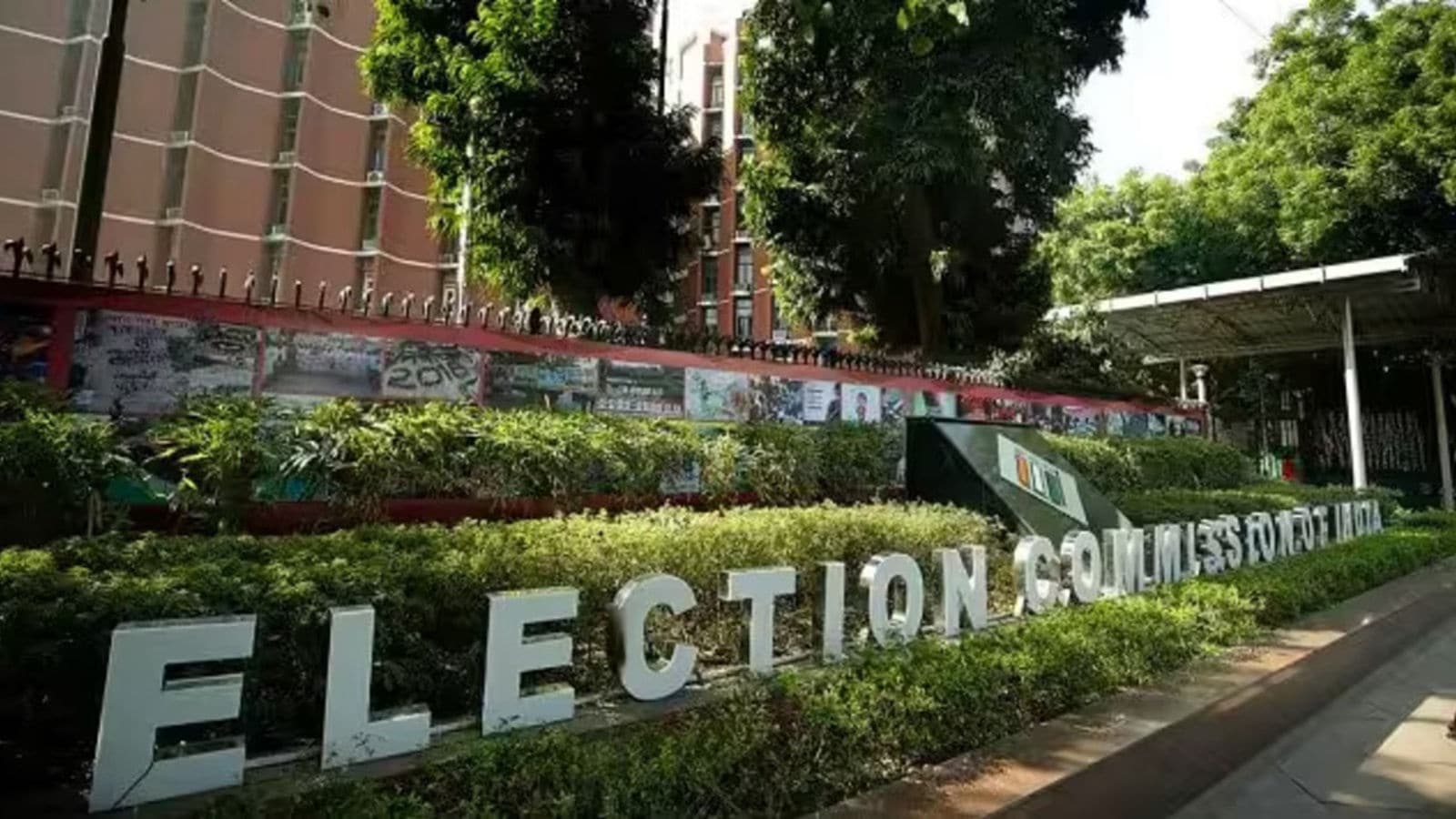
The Election Commission of India (ECI) has ordered a major change in the leadership of West Bengal’s police and administration. In this second round of transfers, the commission moved 19 high-ranking officials to new positions. This decision is part of a larger effort to ensure that the upcoming elections are held in a fair and neutral environment. By moving these officers, the ECI aims to prevent any local political influence from affecting the voting process.
Main Impact
The primary impact of this move is a total shift in the security and administrative leadership across several key areas in West Bengal. When top police officers like Inspector Generals and Superintendents are moved, it changes how law and order are managed during the election period. This reshuffle sends a strong message that the ECI is monitoring the state closely and will not tolerate any bias or favoritism from government officials.
Key Details
What Happened
The Election Commission of India issued a formal order to transfer a total of 19 officers. This is the second time in a short period that the ECI has made such a move in West Bengal. The officers being moved hold significant power in their respective districts. The commission usually takes these steps after reviewing the performance of officials or receiving complaints about their neutrality. The goal is to place officers in positions where they do not have long-standing ties to local political leaders.
Important Numbers and Facts
The transfer list includes a variety of high-level roles. Specifically, the ECI moved two Inspector Generals (IGs), who are responsible for overseeing large regions. Additionally, 12 Superintendents of Police (SPs) were transferred. These officers are the main heads of police in their districts. The order also affected four Commissioners and one Deputy Commissioner. These changes are effective immediately, and the state government must appoint new officers from a list approved by the ECI.
Background and Context
In India, the Election Commission has the power to take control of the state’s administrative machinery once an election is announced. This period is governed by the Model Code of Conduct. The ECI uses this power to make sure that the ruling party does not use government resources or officials to win votes. West Bengal is often seen as a sensitive state during election cycles. In the past, there have been many reports of political tension and clashes. Because of this history, the ECI often chooses to move officers who have stayed in one location for a long time or those who are suspected of being too close to local politicians.
Public or Industry Reaction
Political parties in West Bengal often have different views on these transfers. Opposition parties usually welcome the ECI’s decision, arguing that local officials are often biased toward the party in power. They believe that bringing in new officers helps create a level playing field. On the other hand, the ruling party sometimes views these moves as an interference in the state’s right to manage its own staff. However, legally, the ECI has the final say during the election window, and the state government must follow its directions.
What This Means Going Forward
As the election dates get closer, we may see even more changes if the ECI feels they are necessary. The new officers will have the difficult task of maintaining peace in their new districts without having much time to learn the local area. Their main job will be to prevent violence, stop illegal activities related to voting, and ensure that every citizen can cast their vote without fear. The success of these transfers will be measured by how smoothly the polling days go and whether the public feels the process was fair.
Final Take
Moving nearly 20 top officials in one go is a significant step that highlights the challenges of holding elections in a complex environment. While these changes can be disruptive to the daily work of the police, they are a vital tool for protecting the integrity of the democratic process. Ensuring that the police force remains neutral is the best way to build public trust in the election results.
Frequently Asked Questions
Why does the Election Commission transfer officers?
The ECI transfers officers to ensure they remain neutral and do not favor any political party during the election. This helps prevent local influence from affecting the fairness of the vote.
Who are the main officers affected by this reshuffle?
The reshuffle includes 2 Inspector Generals, 12 Superintendents of Police, 4 Commissioners, and 1 Deputy Commissioner across various parts of West Bengal.
Can the state government stop these transfers?
No, once the election process begins and the Model Code of Conduct is in place, the Election Commission has the legal authority to order transfers, and the state government must comply.



