
Summary
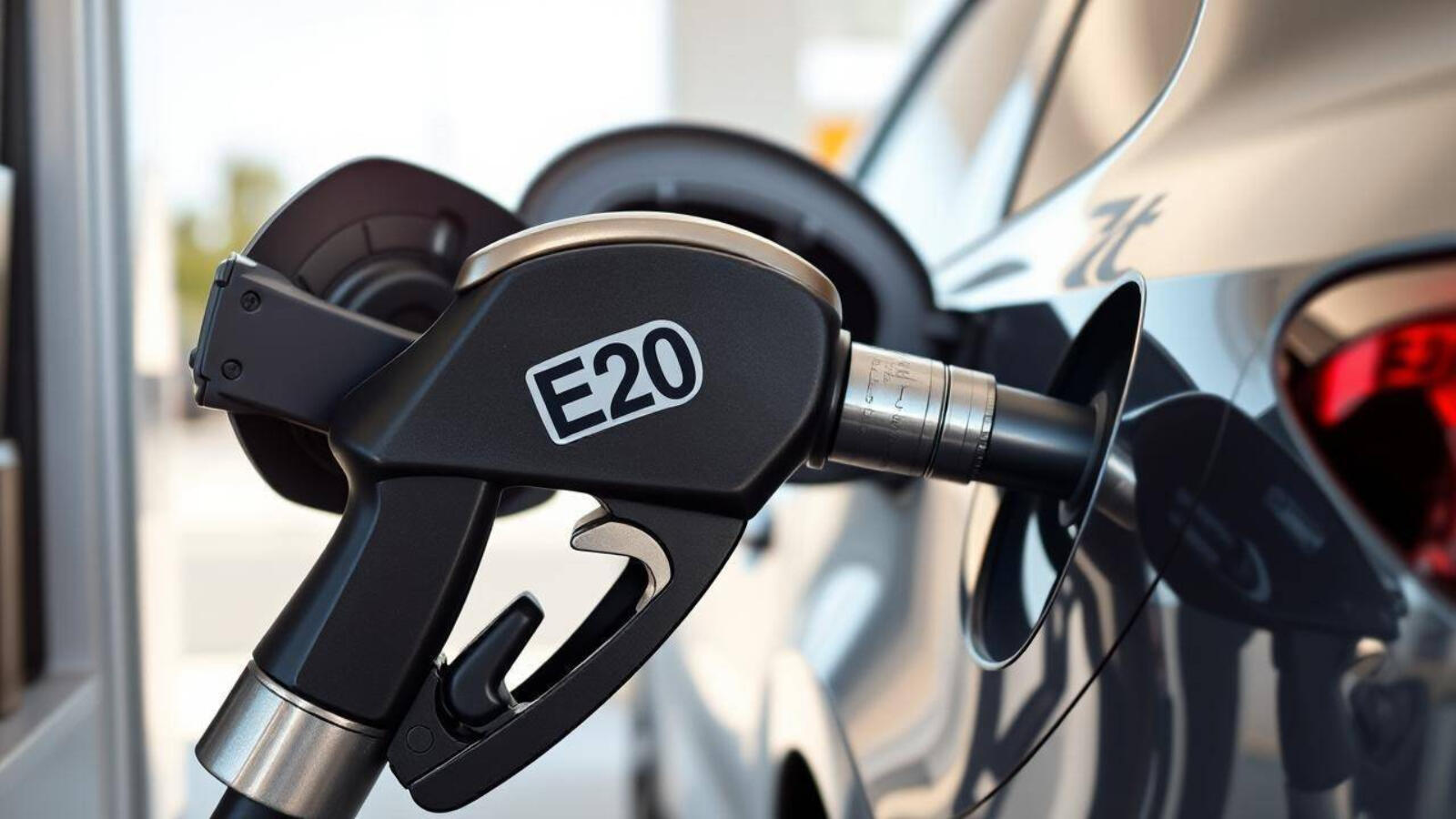
An unpublished report from the Automotive Research Association of India (ARAI) has found that using E20 fuel—which contains 20 percent ethanol—can damage rubber parts in cars designed for E10 fuel, which has 10 percent ethanol. The study tested vehicles and two-wheelers to see how they handle the higher ethanol blend. While metal parts and emissions stayed within safe limits, rubber components like seals and hoses showed signs of wear. The findings are important as India plans to introduce E20 fuel nationwide.
Main Impact
The key finding is that rubber parts in E10 vehicles may not last as long when E20 fuel is used. This could mean higher repair costs for car owners if they use the new fuel. The report also noted that one modern BS-VI turbocharged engine had problems after long-term testing, while an older BS-IV engine did not. This suggests that newer, more complex engines might be more sensitive to the higher ethanol content.
Key Details
What Happened
ARAI conducted tests to check how E20 fuel affects vehicles that were built to run on E10 fuel. The tests looked at rubber parts, metal parts, emissions, and engine durability. The report is not yet public, but its findings have been shared with government officials and automakers.
Important Numbers and Facts
The study found that fuel consumption increased by two to six percent when vehicles used E20 instead of E10. This means drivers may need to fill up more often. Two-wheeler engines performed well in durability tests with E20 fuel, showing no major issues. However, one BS-VI turbocharged car engine failed durability tests, while a BS-IV engine passed without problems. Emissions from all tested vehicles stayed within legal limits.
Background and Context
India is pushing to use more ethanol in fuel to reduce oil imports and cut pollution. The government plans to introduce E20 fuel across the country by 2025. Currently, most cars on Indian roads are designed for E10 fuel, which has been the standard for years. Switching to E20 without proper testing could lead to unexpected problems for vehicle owners. The ARAI report is part of efforts to understand these risks before the fuel is widely used.
Public or Industry Reaction
Automakers have not yet commented publicly on the report, but industry insiders say they are concerned about the impact on older vehicles. Some experts warn that rubber part damage could lead to fuel leaks or engine problems over time. Consumer groups are calling for more information and clear guidance for car owners before E20 fuel is rolled out.
What This Means Going Forward
The findings suggest that car owners with E10 vehicles may need to replace rubber parts more often if they use E20 fuel. Automakers may also need to redesign certain components for future models. The government might delay the full rollout of E20 until more testing is done or until car owners are given clear warnings. For now, drivers should check their vehicle's compatibility before using E20 fuel.
Final Take
The ARAI report highlights a real risk for millions of car owners in India. While E20 fuel can help the environment, it may cause practical problems for older vehicles. The key takeaway is that the switch to higher ethanol fuel needs careful planning and clear communication to avoid unexpected costs and safety issues for drivers.
Frequently Asked Questions
Will E20 fuel damage my car's engine?
Not necessarily. The ARAI report found that metal parts and emissions were fine. However, rubber parts like seals and hoses may wear out faster. One modern turbocharged engine had problems, but older engines performed better. It depends on your car's design.
Can I use E20 fuel in my E10 car?
You can use it, but you may see higher fuel consumption and faster wear on rubber parts. The report suggests that two-wheelers handle it well, but car owners should be cautious. Check your owner's manual or ask your car maker for advice.
When will E20 fuel be available in India?
The government plans to introduce E20 fuel nationwide by 2025. Some states may start earlier. The ARAI report may influence the timeline if safety concerns are taken seriously. Stay updated through official announcements.



