Summary
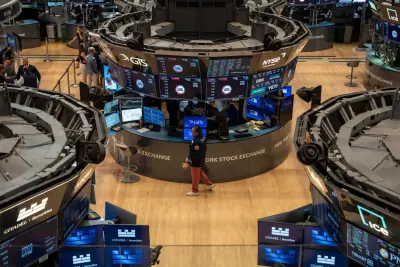
The global financial markets are bracing for a major shift after the U.S. government announced a new 15% tariff on all imported goods. This decision, led by the Trump administration, marks a significant change in international trade policy. Investors are now focused on Dow Jones futures to see how the stock market will react when trading begins. This move is expected to influence everything from consumer prices to corporate profits in the coming months.
Main Impact
The immediate impact of a 15% global tariff is a surge in market uncertainty. Stock futures often act as a thermometer for investor sentiment, and early signs suggest a nervous start for the Dow Jones Industrial Average. By placing a flat tax on all imports, the administration is changing the cost of doing business for thousands of American companies. While the goal is to encourage domestic production, the sudden increase in costs for raw materials and finished goods could lead to a volatile trading session.
Key Details
What Happened
In a move that surprised many global partners, the administration confirmed that a 15% tariff will now apply to almost all products entering the United States. This is not limited to specific countries like China or specific industries like steel. Instead, it is a broad policy that affects goods from every corner of the world. The announcement was made over the weekend, leaving traders and analysts to spend their Sunday night calculating the potential damage to corporate earnings.
Important Numbers and Facts
The 15% rate is significantly higher than the previous average tariff rates, which often sat below 3% for many goods. Economists estimate that this could affect over $3 trillion worth of annual imports. Early data suggests that sectors like technology, automotive, and retail will be hit the hardest. For example, a car company that imports parts from Mexico or Japan will now face a 15% tax on those components, which could add thousands of dollars to the price of a new vehicle.
Background and Context
Tariffs are essentially taxes paid by American companies when they bring goods into the country. The idea behind a high global tariff is to make foreign products more expensive so that people buy American-made goods instead. This is a core part of the "America First" economic strategy. However, the global economy is deeply connected. Most modern products, like smartphones or airplanes, use parts from many different countries. When you tax those parts, the final product becomes more expensive for the person buying it at the store.
Public or Industry Reaction
The reaction from the business community has been mixed but mostly cautious. Large retail groups have warned that they may have to raise prices immediately to cover the new taxes. On the other hand, some domestic manufacturers have praised the move, saying it finally gives them a fair chance to compete with cheaper foreign labor. In the political world, trading partners like the European Union and Canada have already expressed "deep concern" and are considering their own taxes on American exports in response.
What This Means Going Forward
Looking ahead, the biggest risk is a "trade war." If other countries decide to tax American goods like farm products or machinery, it could hurt U.S. exporters. For the Dow Jones, the main concern is inflation. If prices for everyday items go up because of tariffs, the Federal Reserve might keep interest rates high to stop the economy from overheating. High interest rates usually make the stock market go down. Investors will be watching the first few hours of trading very closely to see if there is a massive sell-off or if the market stays steady.
Final Take
The 15% global tariff is a bold gamble on the strength of the American economy. While it aims to protect local jobs and industries, the short-term cost is high market volatility and the risk of rising prices for consumers. The opening of the Dow Jones will be the first real test of how much confidence investors have in this new trade era. If the market drops sharply, it may signal that the cost of these tariffs is higher than the benefits they are expected to bring.
Frequently Asked Questions
What are Dow Jones futures?
Futures are contracts that allow traders to bet on whether the stock market will go up or down before the actual stock exchange opens. They provide a preview of how the market might behave during the day.
Who actually pays the 15% tariff?
The tariff is paid by the American company that imports the goods. It is not paid by the foreign country. Usually, the company passes this cost on to the customer by raising prices.
How do tariffs affect the average person?
For most people, tariffs mean higher prices for electronics, clothing, and groceries. If a store has to pay more to get its products, it will charge the shopper more to make up for the loss.