
Summary
The United States Department of Justice (DOJ) has officially admitted that Immigration and Customs Enforcement (ICE) gave false information about its legal power to arrest people inside immigration courts. For years, ICE claimed it had the broad authority to take people into custody during their court hearings, but new legal filings show this was not true. This admission is a major turning point for the legal rights of immigrants and the way federal agencies operate within the court system. It highlights a long period where false claims were used to justify enforcement actions that many legal experts now say were improper.
Main Impact
The biggest impact of this admission is the loss of trust in the immigration legal system. When a government agency like ICE claims to have powers it does not actually possess, it changes how people behave. Many immigrants were afraid to show up for their required court dates because they feared being arrested right in front of a judge. Now that the DOJ has admitted ICE lied about these powers, it opens the door for thousands of past cases to be reviewed. It also means that the rules for how ICE can act inside federal buildings will likely face much stricter oversight and new limits to protect the rights of those appearing in court.
Key Details
What Happened
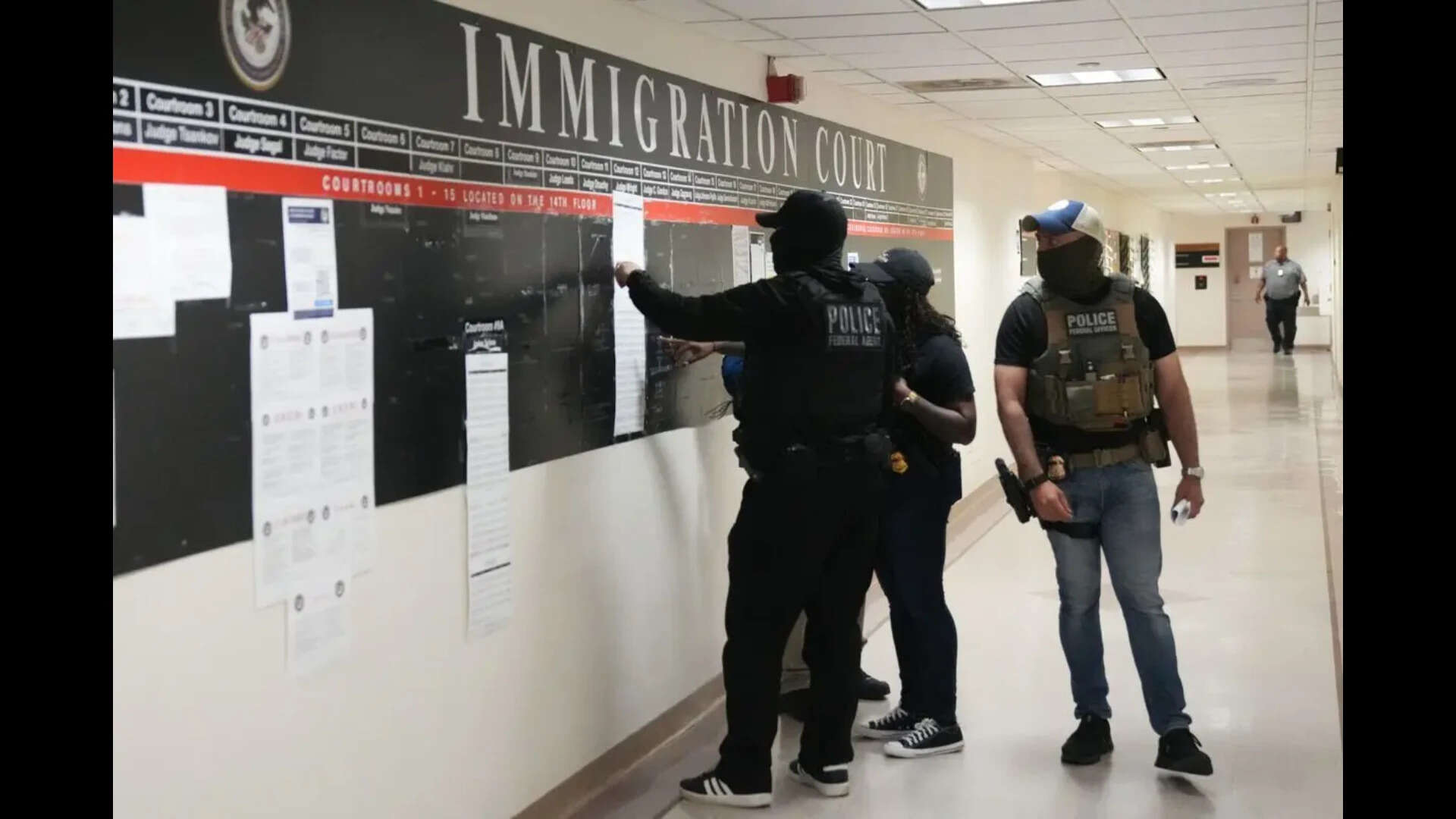
For a long time, ICE officials told the public, lawyers, and even judges that they had a standing policy and the legal right to make arrests inside immigration courtrooms. They used this claim to justify picking up individuals who were simply trying to follow the law by attending their hearings. However, during a recent legal challenge, the DOJ had to tell the truth in court documents. They admitted that there was no formal law or official policy that gave ICE the specific power to conduct these types of arrests inside the courts in the way they had been doing. Essentially, the agency was acting on a rule that did not exist.
Important Numbers and Facts
Over the last several years, hundreds of arrests took place inside or just outside immigration courts across the country. In cities like New York and Los Angeles, legal aid groups reported a sharp increase in these incidents starting around 2017. Statistics showed that many people stopped attending their hearings out of fear, leading to "in absentia" deportation orders, which happen when someone is not present. The DOJ's recent admission confirms that the legal basis for these actions was misrepresented for nearly a decade. This affects not just the individuals arrested, but the entire integrity of the Executive Office for Immigration Review (EOIR), which runs the immigration courts.
Background and Context
Courthouses are generally considered "sensitive locations" in the American legal system. The idea is that everyone should feel safe coming to court to settle legal matters without fear of being snatched away by law enforcement for a different issue. If people are afraid to go to court, the whole system stops working correctly. ICE began ignoring this traditional idea several years ago, arguing that immigration courts were different because they are run by the Department of Justice rather than the judicial branch. By claiming they had special permission to make arrests there, ICE was able to bypass the usual protections that exist in other types of courts, such as criminal or civil courts.
Public or Industry Reaction
Lawyers and civil rights groups have reacted with anger and a demand for justice. Many immigration attorneys say they have been arguing for years that ICE was overstepping its bounds, but their concerns were ignored because of the agency's false claims. Advocacy groups are now calling for a full investigation into who authorized these lies and how many people were wrongly deported because of them. On the other side, some law enforcement supporters argue that ICE needs to be able to do its job wherever it finds people who are in the country illegally. However, the focus of the current outcry is not about the arrests themselves, but about the fact that the agency was not honest about its legal authority to make them inside a courtroom.
What This Means Going Forward
Moving forward, this admission will likely lead to new laws or executive orders that clearly define where ICE can and cannot go. There is already talk in Congress about passing a law that officially labels all courthouses as "safe zones" where immigration arrests are banned unless there is a violent threat. For individuals who were arrested in court in the past, their lawyers may try to reopen their cases, arguing that the arrest was illegal and therefore the deportation process should be stopped. The DOJ will also have to work hard to prove that it is being honest in future court filings to regain the trust of the legal community.
Final Take
The admission that a federal agency lied about its power is a serious matter that shakes the foundation of the justice system. It shows that even powerful organizations must be held accountable to the law. By clearing up the truth about arrest powers in immigration courts, the legal system can begin to fix the damage caused by these false claims. Ensuring that courts remain a place for fair hearings rather than a place for surprise arrests is essential for the rule of law to work for everyone.
Frequently Asked Questions
Can ICE still make arrests at courthouses?
While ICE still has the power to make arrests in many places, this admission means they cannot claim a special, broad right to arrest people inside immigration courtrooms without proper legal backing. New policies are being created to limit these actions.
Why did the DOJ admit this now?
The admission came as a result of ongoing lawsuits where government lawyers are required to provide factual evidence. Under legal pressure, they could no longer support the false claims that ICE had previously made about its authority.
What happens to people who were arrested in court?
Many of those individuals may now have a chance to challenge their arrests in court. If a judge finds that the arrest was based on a false claim of power, it could change the outcome of their immigration case.

