
Summary
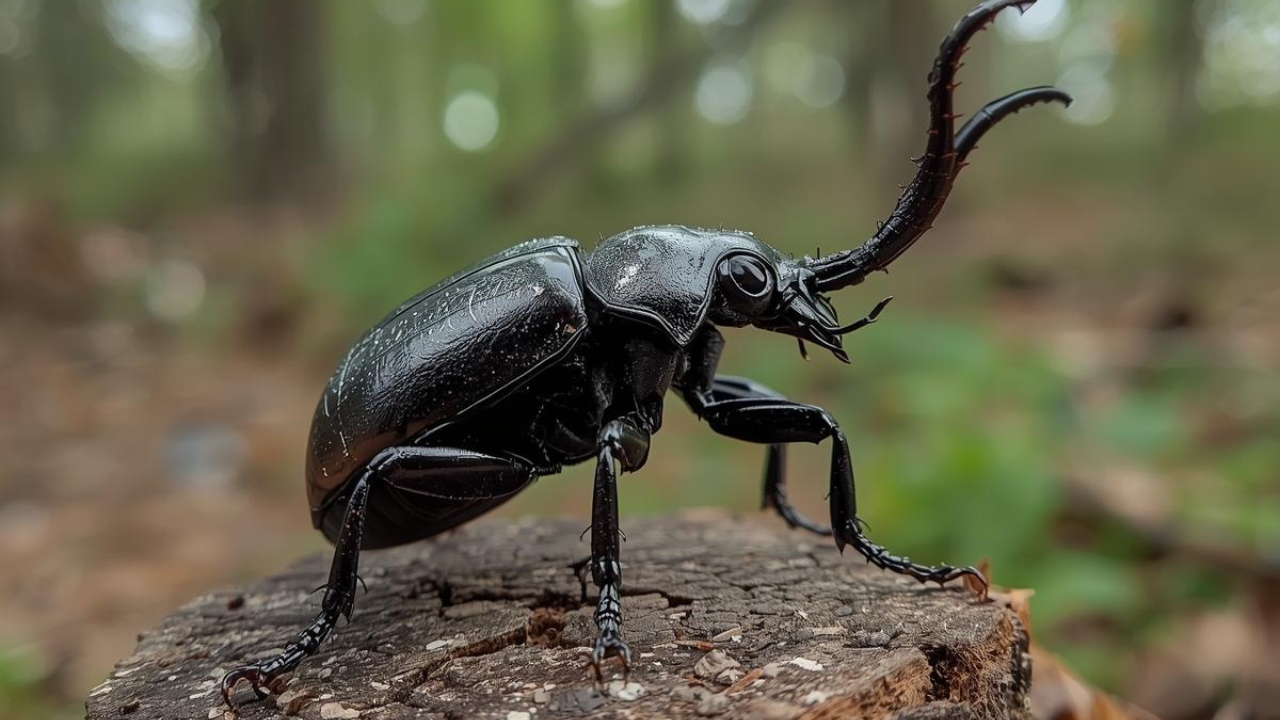
The diabolical ironclad beetle is a small insect with a shell so tough that it can survive being run over by a car. Scientists have spent years studying this creature to understand how its body handles such extreme pressure without breaking. This beetle does not fly, but its fused wing covers act like a natural suit of armor. By learning from the beetle's unique structure, engineers hope to build stronger airplanes, bridges, and vehicles that are safer and last longer.
Main Impact
The discovery of how this beetle survives heavy weight is changing the way we think about building things. Most human-made structures rely on bolts, screws, or glue to hold parts together, but these often become weak points where cracks start. The beetle uses a special "jigsaw puzzle" design that spreads out force. This natural engineering could lead to a new generation of materials that are much tougher than what we use today. It allows different types of materials, like metal and plastic, to be joined together in a way that prevents them from snapping under stress.
Key Details
What Happened
Researchers used high-tech tools to look closely at the beetle’s exoskeleton, which is its outer shell. They put the beetles under heavy steel plates to see how much weight they could take before dying. They found that the beetle’s shell does not just resist force; it changes shape slightly to absorb it. The shell is made of two halves that lock together like pieces of a puzzle. When a car drives over the beetle, these pieces slide a little bit instead of breaking apart. This prevents the beetle's internal organs from being crushed.
Important Numbers and Facts
The diabolical ironclad beetle can withstand a force of about 150 Newtons. This is roughly 39,000 times its own body weight. To understand how impressive this is, imagine a person being crushed by several large school buses and walking away without a scratch. The beetle's shell is also rich in protein, which makes it more flexible than the shells of other insects. While a normal beetle might crack under a small amount of pressure, this species can handle about twice as much force as its closest relatives.
Background and Context
Most beetles have wings and can fly away from danger. However, the ironclad beetle lost its ability to fly millions of years ago. Because it stays on the ground, it needed a different way to protect itself from hungry birds and other animals. Over time, its wing covers, called elytra, grew thick and fused together. It lives mostly in desert areas under rocks or tree bark. Its name comes from its incredible strength and its bumpy, dark appearance that looks like a piece of iron or stone. Because it cannot fly, it has evolved to be one of the toughest living things on the planet.
Public or Industry Reaction
The scientific community is very excited about these findings. Engineers who design jet engines and spacecraft are particularly interested. Currently, joining different materials in an engine is difficult because they expand and contract at different rates when they get hot. The beetle’s interlocking joints provide a perfect model for how to solve this problem. Instead of using heavy bolts that can fail, engineers are testing 3D-printed parts that copy the beetle's puzzle-like structure. This could make machines lighter and much more durable.
What This Means Going Forward
In the coming years, we may see "beetle-inspired" designs in many everyday objects. This field of study is called biomimicry, which means copying nature to solve human problems. For example, the fasteners used in airplanes could be redesigned to look like the beetle's shell joints. This would make the planes safer during flights. It could also help in the construction of buildings in areas where earthquakes happen, as the structures would be able to bend and move without falling down. Scientists are now looking for other insects with similar traits to see if there are even more secrets to discover.
Final Take
The diabolical ironclad beetle proves that nature is often the best engineer. While humans have spent centuries trying to make things stronger by using harder materials, this tiny insect shows that the secret to strength is often flexibility and smart design. By looking at how a small bug survives a car tire, we are finding better ways to build the giant machines of the future. It is a reminder that even the smallest creatures can teach us big lessons about science and safety.
Frequently Asked Questions
How does the beetle survive being run over?
The beetle has a shell that works like interlocking puzzle pieces. These pieces can slide and bend slightly when pressure is applied, which prevents the shell from cracking and protects the insect inside.
Can the diabolical ironclad beetle fly?
No, this beetle cannot fly. Its wing covers have fused together over millions of years to create a solid, protective shield, making its body much stronger than beetles that fly.
How are scientists using this discovery?
Engineers are copying the beetle's shell structure to create better joints for airplanes and machinery. This helps join different materials together without using weak bolts or screws.

