
Summary
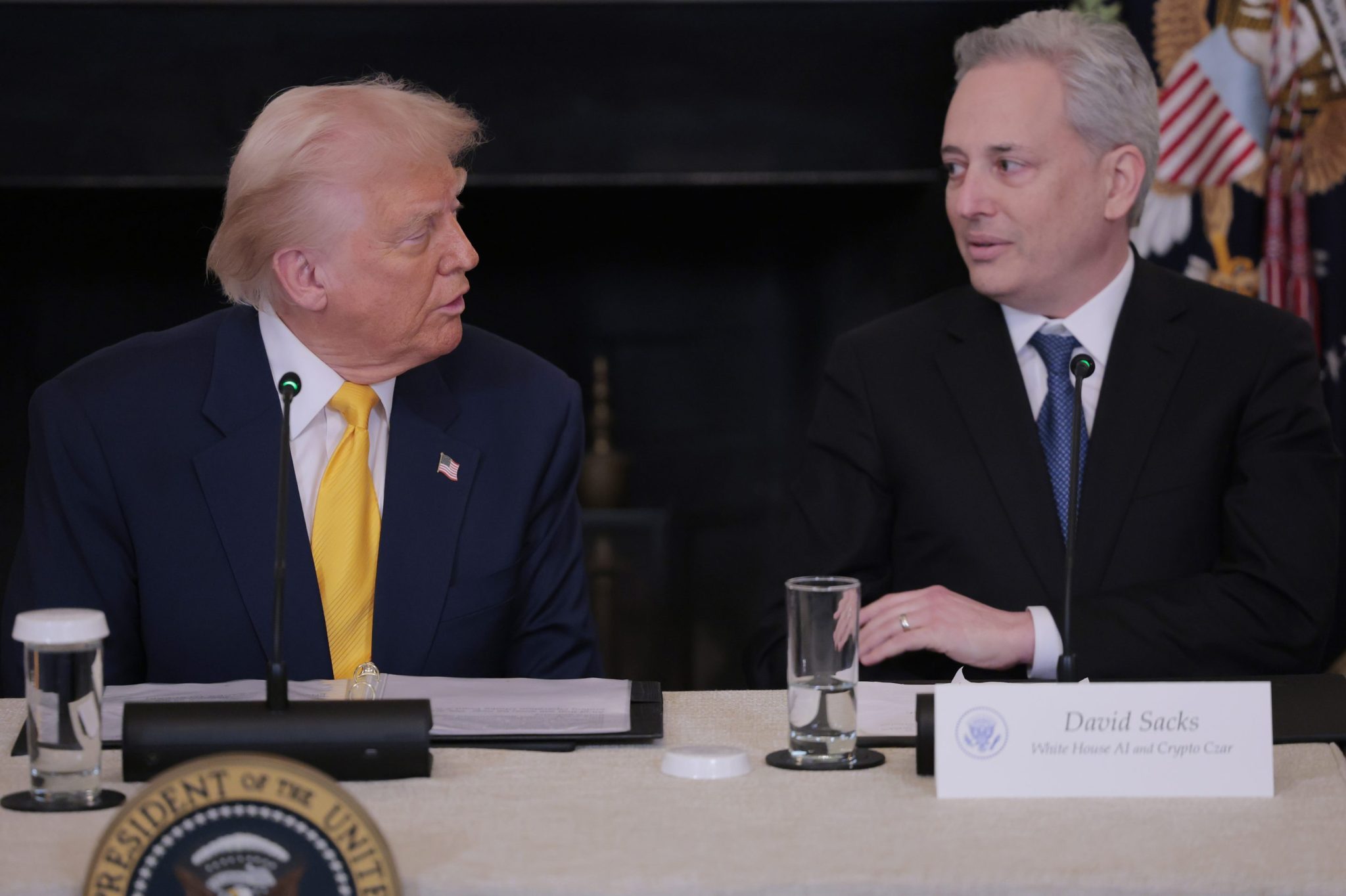
David Sacks, a top advisor to President Donald Trump, is calling for an immediate end to the military conflict between the U.S., Israel, and Iran. Sacks, who serves as the administration's expert on artificial intelligence and cryptocurrency, warns that the war has reached a dangerous tipping point. He believes that continuing the fight could lead to a total collapse of the Middle East's economy and a massive humanitarian disaster. By finding a way out now, the U.S. can protect global energy markets and prevent the destruction of vital resources like fresh water.
Main Impact
The primary concern raised by Sacks is that Iran possesses a "dead man's switch" that could ruin the region even if its military is defeated. This refers to Iran's ability to destroy the infrastructure that neighboring countries need to survive. If the war escalates, the destruction of oil fields and water plants could make the Gulf states almost impossible to live in. This would not only hurt the people living there but would also cause a global economic shock that could last for years.
Key Details
What Happened
During a recent episode of the "All-In" podcast, David Sacks argued that the U.S. should "declare victory and get out" of the war. He pointed out that Iran’s military forces have already suffered heavy damage. According to Sacks, the markets are looking for a sign that the fighting will stop. However, he noted that some people within the government still want to push for a total change in Iran's leadership, which would require sending in ground troops and risking a much larger war.
Important Numbers and Facts
The situation involves several critical figures and recent military moves. President Trump recently ordered the U.S. military to strike Kharg Island, which is Iran’s main hub for exporting oil. Additionally, 2,500 Marines were moved from Asia to the Middle East to support the effort. Sacks highlighted that over 100 million people in the Gulf region depend on desalination plants for their daily water. If these plants are destroyed, those millions of people would have no way to get fresh water, leading to a crisis that the world is not prepared to handle.
Background and Context
This conflict matters because the Gulf region is the heart of the world's energy supply. Most of the oil and gas used by countries around the globe passes through this area. In the past, people worried about Iran closing the Strait of Hormuz, a narrow water path used by shipping tankers. Sacks explains that the danger is now much worse. If the actual machines and factories that produce oil and gas are blown up, it won't matter if the shipping lanes are open because there will be nothing left to ship. Furthermore, the Middle East is a desert environment where technology is the only thing providing water to the population. Without that technology, the land becomes uninhabitable.
Public or Industry Reaction
There is a clear divide in how leaders are reacting to the war. Economic advisors are telling President Trump that rising gas prices are a major risk to his popularity at home. They fear that if Americans have to pay too much at the pump, support for the war will disappear quickly. On the other hand, some military hawks are pushing the President to keep going until Iran can no longer build a nuclear weapon. This internal struggle has left the administration in a difficult spot, trying to please those who want a strong military stance while also trying to keep the economy stable.
What This Means Going Forward
The next steps will likely involve a search for an "off-ramp," which is a way to stop the fighting without looking like the U.S. lost. Sacks suggests a ceasefire or a negotiated deal is the only way to prevent a "frightening" outcome. If the war continues for months, there is a fear that Israel could face extreme threats to its existence. In such a desperate situation, there is a risk that nuclear weapons could be considered, which would change the world forever. The U.S. must now decide if the goal of changing Iran's government is worth the risk of destroying the entire region's ability to support human life.
Final Take
The warning from David Sacks serves as a reality check for those who believe military force can solve every problem. While the U.S. has more power than Iran, the interconnected nature of the modern world means that a "victory" could still result in a global catastrophe. Protecting the basic needs of millions of people, such as water and energy, must become the priority to avoid a disaster that no one can win.
Frequently Asked Questions
What is a "dead man's switch" in this context?
It refers to Iran's ability to cause massive destruction to the region's oil and water infrastructure as a final act of retaliation, even if their military is losing the war.
Why are desalination plants so important?
Desalination plants turn salty seawater into fresh drinking water. In the desert climate of the Gulf, millions of people rely on these plants to survive because there are few other water sources.
How does the war affect gas prices in the U.S.?
The war creates uncertainty in the oil market and threatens the supply of energy. This causes the price of oil to go up, which leads to higher gasoline prices for drivers in the United States.


