
Summary
The Communist Party of India (Marxist), also known as the CPI(M), has officially asked for a fair distribution of seats within its current political alliance. Party leader P. Shanmugam stated that if other partners like the Congress and the DMDK receive a higher number of seats, the CPI(M) must also be given a bigger share. The party has already shared its specific demands and concerns with the committee responsible for making these decisions. This move highlights the growing pressure on the lead party to balance the needs of all its partners before the upcoming elections.
Main Impact
This demand from the CPI(M) creates a challenging situation for the DMK, which leads the alliance. When one party asks for more seats based on what others are getting, it often starts a chain reaction. If the DMK agrees to give more seats to the Congress or the DMDK, every other smaller party in the group will likely ask for the same treatment. This makes it very hard for the lead party to keep enough seats for itself while keeping all its allies happy and united.
Key Details
What Happened
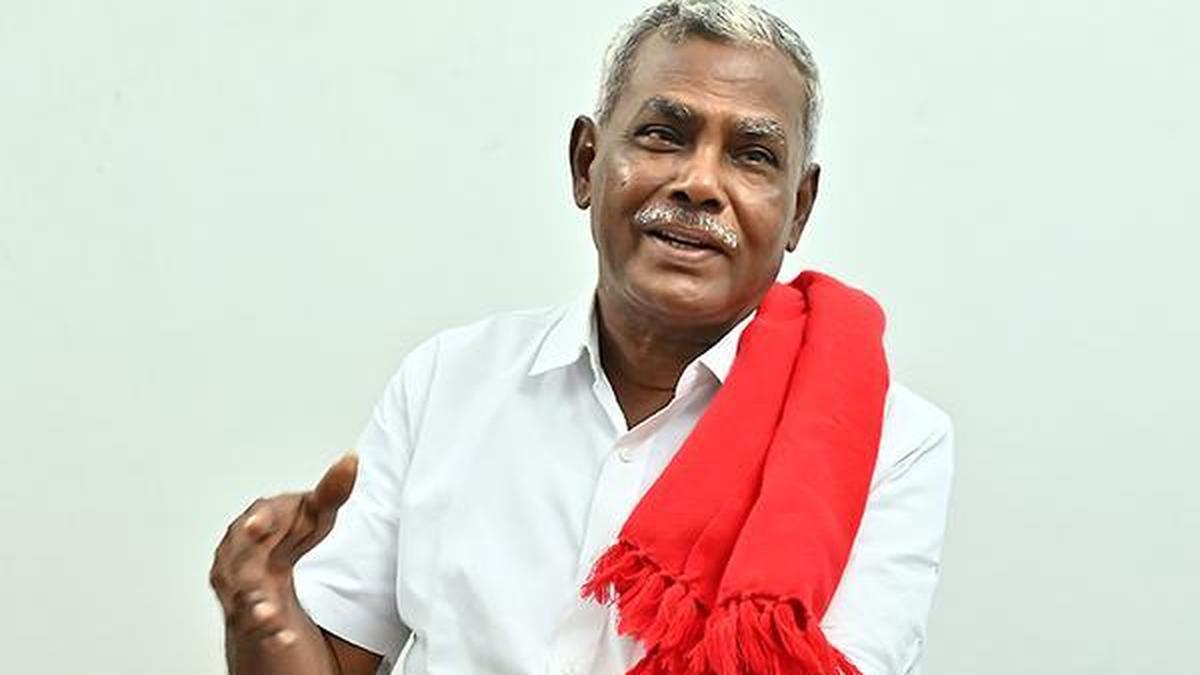
P. Shanmugam, a senior leader of the CPI(M), spoke clearly about the party's position regarding the upcoming election talks. He pointed out that the party is watching how seats are handed out to other members of the alliance. The CPI(M) believes that its strength and work at the local level deserve more recognition. They have already met with the seat-sharing committee of the DMK to explain why they need a specific number of seats to compete effectively.
Important Numbers and Facts
In past elections, the distribution of seats has always been a point of tension. The DMK usually keeps the largest number of seats for itself to ensure it has the best chance of leading the government. The Congress party traditionally asks for a significant portion because of its national presence. Now, with the mention of the DMDK in these talks, the math becomes even more difficult. The CPI(M) is looking to secure a number that reflects its influence among workers and farmers in specific regions of the state.
Background and Context
In Tamil Nadu politics, alliances are very important. Most major parties do not run alone. Instead, they form a large group called a "front" or an "alliance." The DMK currently leads one of these major groups. To keep the alliance strong, the DMK must give some of the 234 total assembly seats to its partners. If an ally feels it is not getting enough seats, it might leave the group or not work as hard during the campaign. The CPI(M) has been a steady partner, but they want to make sure they are not overshadowed by bigger parties like the Congress or newer additions to the group.
Public or Industry Reaction
Political experts believe that the CPI(M) is using this public statement to gain leverage in private talks. By mentioning the Congress and the DMDK, they are telling the DMK that they expect equal respect. Supporters of the Left parties have expressed that their grassroots work is often more effective than that of larger parties, and therefore, they should not be pushed aside. Meanwhile, the DMK leadership has remained quiet, preferring to handle these discussions behind closed doors to avoid showing any signs of weakness in the alliance.
What This Means Going Forward
The next few weeks will be critical for the alliance. The seat-sharing committee will have to sit down with each party and negotiate the final numbers. If the CPI(M) is satisfied, the alliance will move forward with a united front. However, if they feel cheated, it could lead to public disagreements. The DMK needs to find a "magic number" that satisfies the Congress, the CPI(M), and other allies without giving away too much of its own power. The final list of seats will show who holds the most influence within the group.
Final Take
Political alliances are built on a delicate balance of power and shared goals. The CPI(M) is making a bold move by linking its demands to the treatment of other parties. This strategy ensures they are not forgotten during the final stages of planning. For the alliance to succeed in the elections, every member must feel that the deal is fair and that their contribution is valued.
Frequently Asked Questions
Why is seat-sharing so important in an alliance?
Seat-sharing determines how many candidates each party can field. More seats mean a better chance for a party to have more members in the government and more influence over laws and policies.
Who is P. Shanmugam?
P. Shanmugam is a senior leader of the CPI(M) who represents the party's interests in high-level political talks and ensures their demands are heard by alliance leaders.
What happens if the parties cannot agree on seats?
If parties cannot agree, the alliance might break apart. Some parties might choose to run alone or join a different group, which can split the votes and change the outcome of the election.



