
Summary
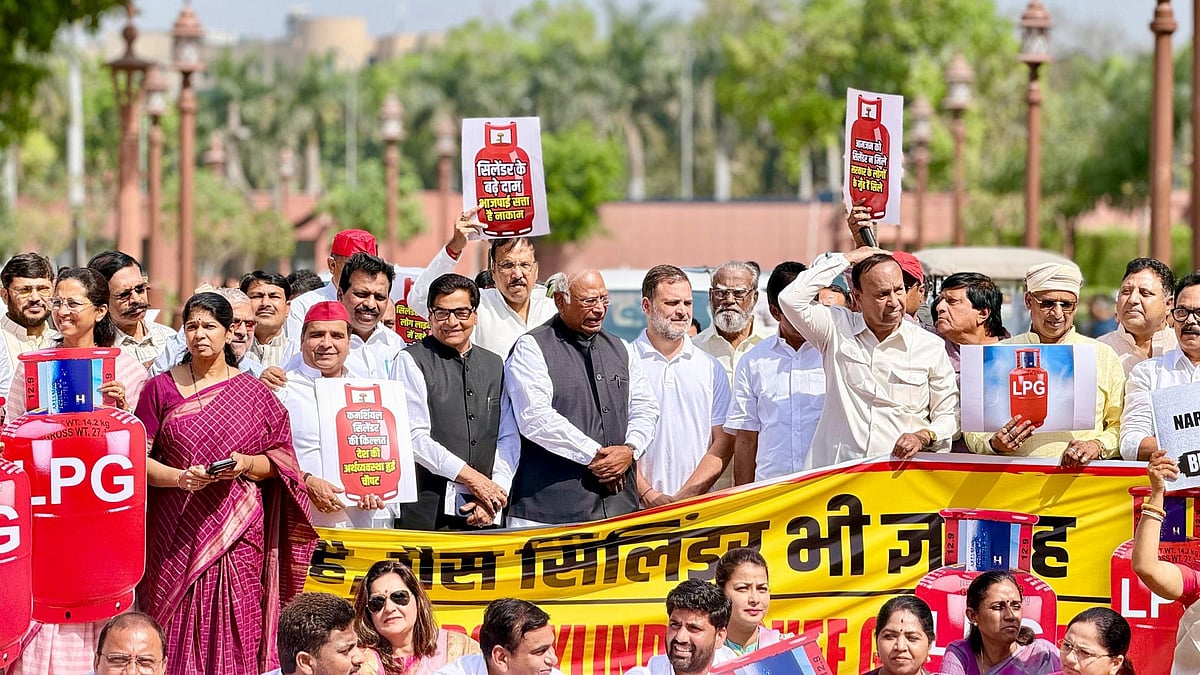
Opposition leaders in India held a large protest at Parliament on Thursday to address a growing shortage of commercial gas cylinders. Rahul Gandhi, a leader of the Congress party, criticized Prime Minister Narendra Modi, claiming the Prime Minister is avoiding the issue due to other political pressures. The shortage is currently affecting businesses across the country, especially restaurants and small food vendors who rely on these gas cylinders to cook. While the government says there is no need to worry, the opposition argues that the energy crisis is becoming a major problem for the public.
Main Impact
The shortage of commercial LPG is having a direct effect on the economy and daily life. Small businesses, such as roadside eateries and large catering companies, are struggling to find the fuel they need to stay open. This has forced many business owners to look for other ways to cook, such as using electric stoves or even wood fires. Politically, the issue has caused a complete stop in Parliament activities, as opposition members refuse to move on until the government provides a clear plan to fix the supply chain.
Key Details
What Happened
On March 12, 2026, members of several opposition parties gathered near the entrance of Parliament to voice their anger. Leaders from the Congress party, DMK, TMC, and Samajwadi Party joined together to demand answers. During the protest, women members of Parliament sat on the ground next to a fake brick stove to show how people might have to cook if the gas runs out. They shouted slogans and held signs asking the government to take action immediately. Rahul Gandhi spoke to reporters, noting that the Prime Minister was not present in the House to discuss the matter.
Important Numbers and Facts
The crisis is affecting a large portion of India’s 1.4 billion people, either through business losses or rising costs. Many restaurants in New Delhi reported that they only have enough gas left for one or two days of work. Because the government is making sure that homes get gas first, the supply for businesses has dropped significantly. This has led to a rise in the use of induction cooktops and solar power in some areas. The protest involved dozens of MPs who blocked the normal flow of work in Parliament, leading to an early closure of the session for the day.
Background and Context
The reason for this gas shortage is linked to problems outside of India. There is a growing conflict in West Asia that has made it difficult for ships to carry fuel to different parts of the world. Since India buys a lot of its fuel from other countries, these global fights directly impact the local supply. At the same time, the opposition is using this moment to highlight other issues. Rahul Gandhi mentioned that the Prime Minister might be distracted by legal cases and controversies involving big business leaders and international files. This political tension makes it harder for the two sides to agree on a solution for the energy crisis.
Public or Industry Reaction
The hospitality industry is very worried about what will happen next. Owners of small shops and big restaurants say they cannot keep working if they do not have a steady supply of gas. Some have already started using microwaves and electric heaters, but these are often more expensive to run. Industry groups have asked the government to help them find a way to get more commercial cylinders. Meanwhile, the general public is watching closely, as any increase in costs for restaurants usually means that the price of food will go up for everyone.
What This Means Going Forward
In the coming weeks, the government will need to find a way to balance the needs of households with the needs of businesses. If the conflict in West Asia continues, the supply of fuel could stay low for a long time. The government has promised to protect the interests of the people, but they have not yet explained how they will fix the shortage for businesses. The opposition has made it clear that they will continue to protest until the Prime Minister speaks directly about the issue in Parliament. This could lead to more delays in passing new laws and managing other government business.
Final Take
The current gas shortage is more than just a supply problem; it has become a major political battle. While the government tries to keep the public calm, the reality for small business owners is becoming more difficult every day. Clear communication and a solid plan for energy security will be necessary to resolve the tension in Parliament and keep the economy moving. Without a quick fix, the cost of the fuel crisis will continue to fall on the shoulders of ordinary citizens and small business owners.
Frequently Asked Questions
Why is there a shortage of gas cylinders?
The shortage is mainly caused by conflicts in West Asia, which have disrupted the global supply of fuel. This makes it harder for India to import the amount of gas it needs for everyone.
Are homes affected by this shortage?
The government is currently giving priority to domestic gas cylinders used in homes. This means that while businesses are struggling to find gas, the supply for household cooking is being protected for now.
What are businesses doing to cope?
Many restaurants and food stalls are switching to alternative cooking methods. This includes using electric induction stoves, microwaves, and in some cases, traditional firewood or solar energy.

