
Summary
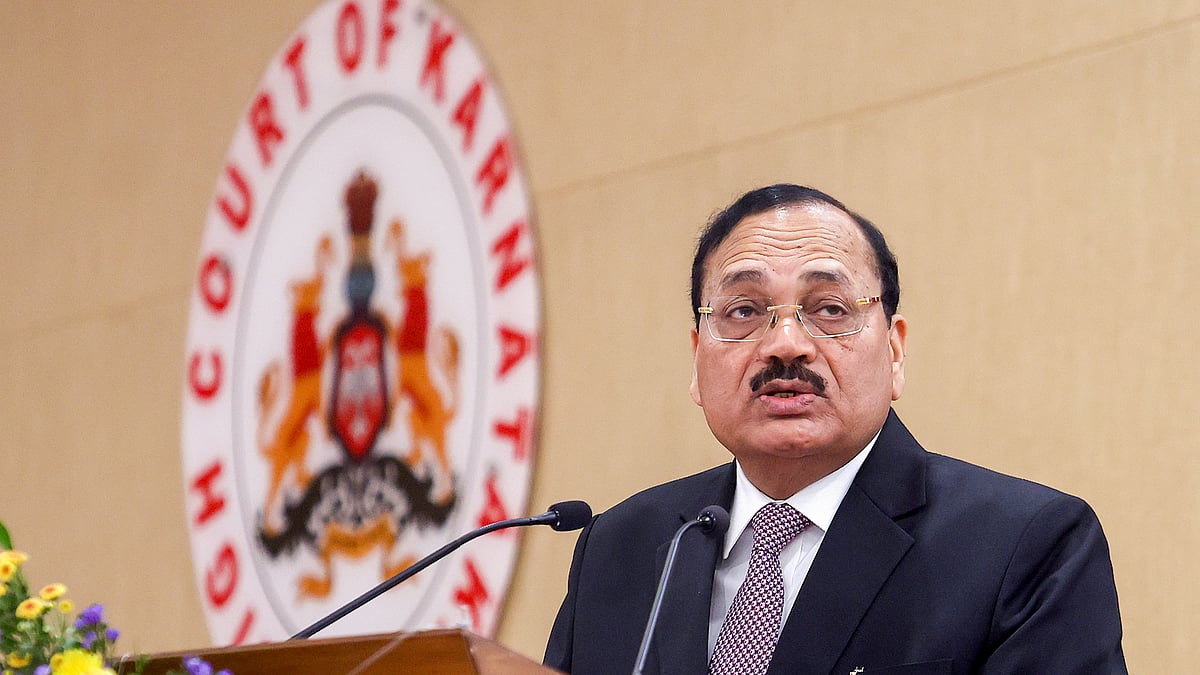
Chief Justice of India Surya Kant recently spoke about the growing role of artificial intelligence in the legal system. During a seminar in Karnataka, he explained that while AI can help courts work faster, it should never replace human judges. The Chief Justice believes that technology should be used to organize data and fix delays, but the final decision in any case must come from a human being. This balance is necessary to ensure that justice remains fair and accountable to the public.
Main Impact
The primary impact of this statement is the setting of a clear boundary for technology in Indian courts. As AI becomes more common in every industry, there are concerns that it might start making legal choices. By drawing a "red line," the Chief Justice is ensuring that the core of the law stays focused on human reasoning and experience. This approach allows the judiciary to modernize and handle its massive workload without losing the trust of the citizens. It signals to tech developers and legal experts that AI will remain a support tool rather than a decision-maker.
Key Details
What Happened
The Chief Justice shared his views at a one-day event titled “Artificial Intelligence – Prevention and Resolution of Disputes.” The seminar was held at the Karnataka Judicial Academy and included many legal experts and scholars. The goal was to talk about how new technology can help solve legal fights more quickly. The Chief Justice used his speech to warn that while AI is powerful, it lacks the deep understanding of law and life that a human judge possesses.
Important Numbers and Facts
The Indian court system is currently dealing with millions of pending cases. AI is being looked at as a way to manage these high volumes of records. One of the most successful uses of AI mentioned was the translation of court documents. AI tools are now being used to turn English judgments into local languages. This helps people in rural areas understand their legal rights without needing expensive translators. The seminar was supported by several groups, including the Bar Association of India and the National Law School of India University.
Background and Context
For many years, the Indian judiciary has struggled with a backlog of cases. This means it can take a long time for a person to get a final answer from a court. Technology is seen as the best way to speed up the process. AI can read through thousands of pages in seconds, find old cases that are similar to new ones, and help lawyers prepare their arguments. However, there is a global debate about "robot judges." Some people fear that if a computer makes a mistake or has a hidden bias, it could ruin a person's life. The Chief Justice’s comments address these fears by promising that humans will always have the final say.
Public or Industry Reaction
Other legal experts at the seminar agreed with the Chief Justice. Vibhu Bakhru, another legal professional, pointed out that AI could slowly move from being a helper to being a substitute if we are not careful. He stressed that the independence of the courts must be protected. Meanwhile, Prashant Kumar highlighted the positive side of technology. He noted that AI-driven translation is already making the law more inclusive. By translating complex legal talk into simple, local languages, the system is becoming easier for everyday people to use and understand.
What This Means Going Forward
In the coming years, we can expect to see more AI tools in courtrooms, but they will mostly work behind the scenes. These tools will likely handle paperwork, schedule hearings, and help with research. The legal industry will need to create strict rules to make sure these systems are transparent. If an AI helps a judge find information, the public needs to know how that information was found. The focus will stay on "human intellect" to guide the direction of the law, while machines handle the repetitive and time-consuming tasks.
Final Take
The message from the Chief Justice is clear: technology is a powerful partner, but it is not a leader. The legal system is built on human values, empathy, and logic that a machine cannot fully copy. By using AI to handle data while keeping humans in charge of judgments, the judiciary can become more efficient without losing its soul. This balanced path ensures that the law remains fair, accessible, and deeply connected to the people it serves.
Frequently Asked Questions
Can AI give a final judgment in a court case?
No, according to Chief Justice Surya Kant, the final pronouncement of a judgment must always stay in human hands to ensure accountability and fairness.
How is AI currently helping the Indian legal system?
AI is currently used to organize large amounts of data, identify patterns in old cases, and translate court documents into local languages for better accessibility.
What are the risks of using too much AI in law?
The main risks include a loss of transparency and the danger of technology replacing human reasoning. Experts worry that over-reliance on algorithms could weaken the independence of the judiciary.

