
Summary
Forty years after the world’s worst nuclear accident, the area around the Chernobyl power plant has turned into a massive sanctuary for wildlife. While the land remains too dangerous for human life, many species of animals are now living and breeding in the exclusion zone. This recovery shows how nature can reclaim a space once people are no longer there to interfere with it. Scientists are using this 40th anniversary to study how these animals have adapted to a radioactive environment.
Main Impact
The most significant impact of the Chernobyl disaster today is the creation of an unintentional nature reserve. Because humans were forced to leave a 30-kilometer area around the plant, the pressure from hunting, farming, and building disappeared. This has allowed rare and endangered species to return to the region in large numbers. The area now serves as a unique laboratory where researchers can see how life continues even after a major environmental catastrophe.
Key Details
What Happened
On April 26, 1986, a reactor at the Chernobyl nuclear power plant in Ukraine exploded. The blast sent a huge amount of radioactive material into the air, which spread across Europe. The nearby city of Pripyat was evacuated quickly, and thousands of people had to leave their homes forever. For a long time, people thought the area would become a dead wasteland where nothing could grow or live.
Important Numbers and Facts
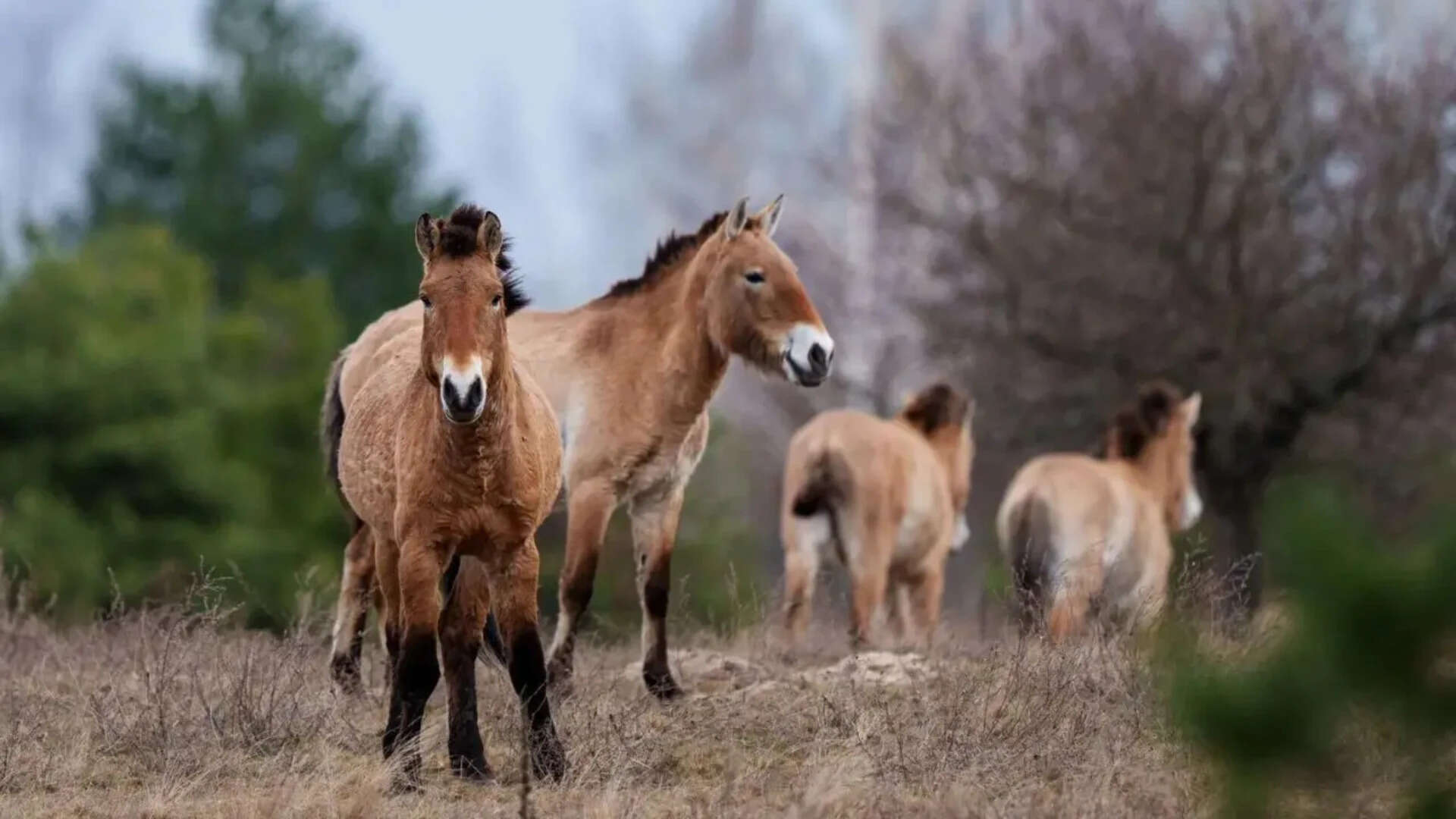
The Chernobyl Exclusion Zone covers about 2,600 square kilometers. In the years following the accident, the population of wolves in the zone became seven times higher than in nearby areas that are not contaminated. Researchers have also tracked over 200 species of birds in the region. One of the most famous success stories is the Przewalski’s horse, a rare wild horse that was brought to the zone in the 1990s. Their numbers have grown from a small group to over 150 today. While radiation levels are still high in some spots, the lack of human activity has proven to be a bigger benefit to the animals than the radiation is a threat.
Background and Context
To understand why this matters, we have to look at what the area was like right after the explosion. The radiation was so strong that a nearby pine forest turned ginger-brown and died, earning it the name "The Red Forest." Most people believed the soil and water would be poisoned for centuries. However, plants began to grow back much faster than expected. Over the last four decades, the abandoned buildings and streets have been covered by trees and bushes. This change has turned a site of human tragedy into a wild forest that looks like it did hundreds of years ago.
Public or Industry Reaction
Biologists and environmentalists are fascinated by what is happening at Chernobyl. Some experts argue that the zone proves that humans are more damaging to wildlife than radiation is. Without people around to drive cars, cut down trees, or hunt, animals are free to move and find food. However, some scientists remain worried. They have found that some birds and insects in the most radioactive parts of the zone have shorter lives or physical changes. There is a constant debate in the scientific community about the long-term health of these animal populations.
What This Means Going Forward
The exclusion zone will likely remain closed to humans for thousands of years because the radiation in the soil takes a very long time to disappear. This means the area will continue to be a safe place for wildlife. In the future, scientists hope to learn more about how DNA changes when animals live in radioactive areas. This information could help us understand how to protect life in other parts of the world that face pollution. The zone is also becoming a symbol of "rewilding," which is the idea of letting nature take care of itself without human help.
Final Take
The 40th anniversary of the Chernobyl disaster is a reminder of a terrible mistake, but it also shows the incredible strength of the natural world. Even in a place marked by fire and radiation, life has found a way to return and grow. The sight of wolves and bears walking through abandoned city streets is a powerful image of how nature can heal when it is left alone. It serves as a lesson that the earth can recover, provided we give it the space to do so.
Frequently Asked Questions
Is it safe for animals to live in Chernobyl?
While there is still radiation that can cause health problems, the animals benefit from the total absence of humans. Without hunting or traffic, many species are actually doing better inside the zone than outside of it.
What kind of animals are in the exclusion zone?
The area is home to wolves, brown bears, lynx, wild boar, and many types of birds. It also hosts a growing population of Przewalski’s horses, which are an endangered species.
Can people visit the area now?
Short guided tours are sometimes allowed in specific safe areas, but no one is allowed to live there. The radiation levels in the soil and buildings are still too high for long-term human stay.

