
Summary
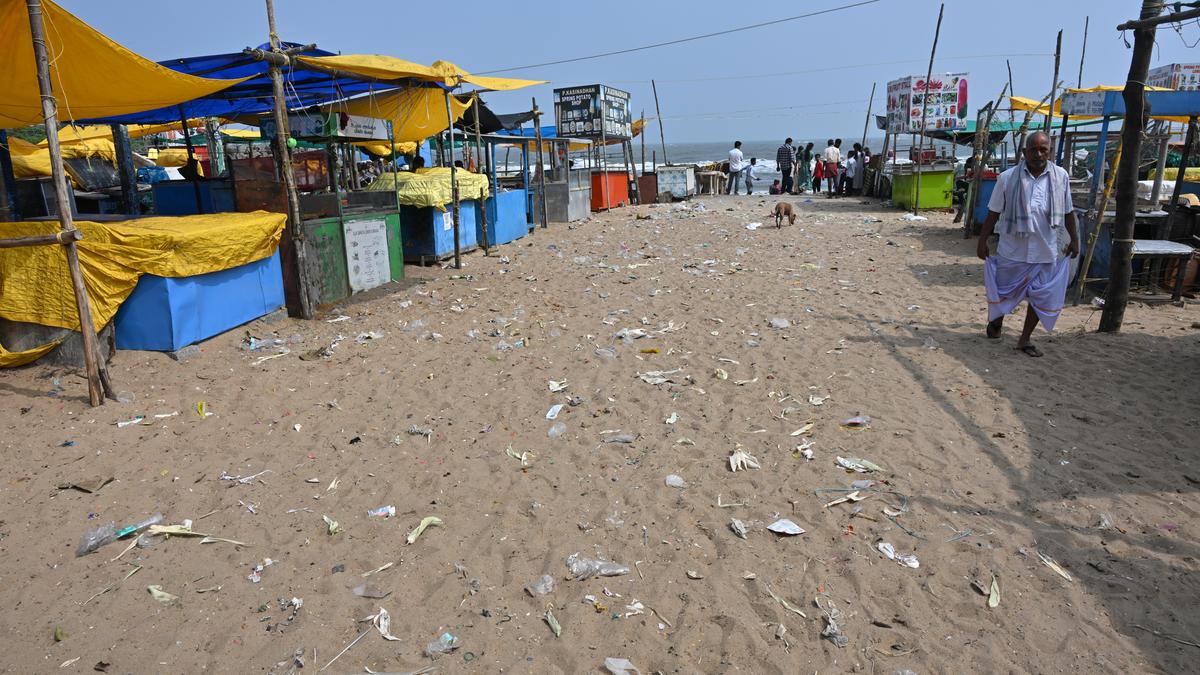
Chennai’s famous coastline is facing a hidden environmental crisis caused by microplastics. These tiny plastic fragments, often smaller than a grain of rice, are building up in the sand and water at an alarming rate. While the beaches might look clean to the naked eye, the soil beneath the surface is filled with these pollutants. This issue is a major concern because it threatens marine life, changes the nature of the beach environment, and could eventually impact human health through the food chain.
Main Impact
The primary impact of microplastic pollution in Chennai is the contamination of the local food web. These tiny particles are easily mistaken for food by small marine creatures like crabs, shrimp, and small fish. Once these animals eat the plastic, the toxins can stay in their bodies. As larger fish eat the smaller ones, the concentration of plastic and chemicals increases. This process means that the seafood caught off the coast of Chennai may contain traces of plastic, posing a direct risk to people who eat it.
Key Details
What Happened
Recent environmental studies have focused on the sediment, or the sand and dirt, along Chennai’s beaches. Researchers found that the amount of microplastic buried in the sand is much higher than what is visible on the surface. These plastics come from many sources, including broken-down fishing gear, plastic bottles, and synthetic clothing fibers. Over time, the sun’s heat and the crashing of waves break large plastic items into millions of tiny pieces that never truly go away.
Important Numbers and Facts
Microplastics are defined as any plastic piece smaller than 5 millimeters in length. In some areas along the Chennai coast, scientists have found hundreds of these particles in small samples of sand. There are two main types found: primary microplastics, which are small by design (like beads in face scrubs), and secondary microplastics, which are pieces that broke off from larger trash. Studies show that the concentration is highest near river mouths, where the Cooum and Adyar rivers carry city waste into the ocean.
Background and Context
Chennai is a large city with millions of residents and many industries. For decades, plastic waste management has been a struggle. Much of the plastic used in the city ends up in drains and rivers. Because plastic does not rot or break down like food or paper, it stays in the environment for hundreds of years. The Bay of Bengal acts as a collection point for this waste. The problem is "bigger than it looks" because most people only notice the large bottles or bags on the beach, while the real danger lies in the billions of microscopic pieces mixed into the sand and water.
Public or Industry Reaction
Environmental groups and local scientists are raising the alarm about this "invisible" pollution. Many community leaders are calling for more than just surface-level beach clean-ups. They argue that while picking up trash is helpful, it does not remove the microplastics already mixed with the sand. There is a growing push for the government to implement stricter rules on plastic production and to improve the city’s water filtration systems to catch these particles before they reach the sea.
What This Means Going Forward
If the flow of plastic into the ocean is not stopped, the ecological damage will get worse. High levels of plastic in the sand can change how the beach holds heat. This is dangerous for animals like sea turtles, as the temperature of the sand determines the sex of their hatchlings. In the future, we can expect more research into how these plastics affect human organs. The next steps for the city involve better waste sorting at home and finding ways to stop synthetic fibers from laundry from entering the water system.
Final Take
The microplastic problem in Chennai is a reminder that what we throw away never truly disappears. Cleaning the beach is a good start, but the real solution lies in reducing plastic use at the source. Protecting the coast requires a deep change in how the city handles its waste to ensure the ocean remains healthy for future generations.
Frequently Asked Questions
What exactly are microplastics?
Microplastics are very small pieces of plastic, usually less than 5 millimeters long. They can be tiny beads used in products or small fragments that break off from larger items like bottles and bags.
How do microplastics get into the sand?
They reach the beach through river runoff, littering, and ocean currents. Once on the shore, the sun and waves break larger plastic pieces into tiny fragments that mix with the sand grains.
Are microplastics dangerous to humans?
Yes, they can be. Microplastics can soak up harmful chemicals from the water. When humans eat seafood that has consumed these plastics, those chemicals and plastic particles can enter the human body.



