Summary
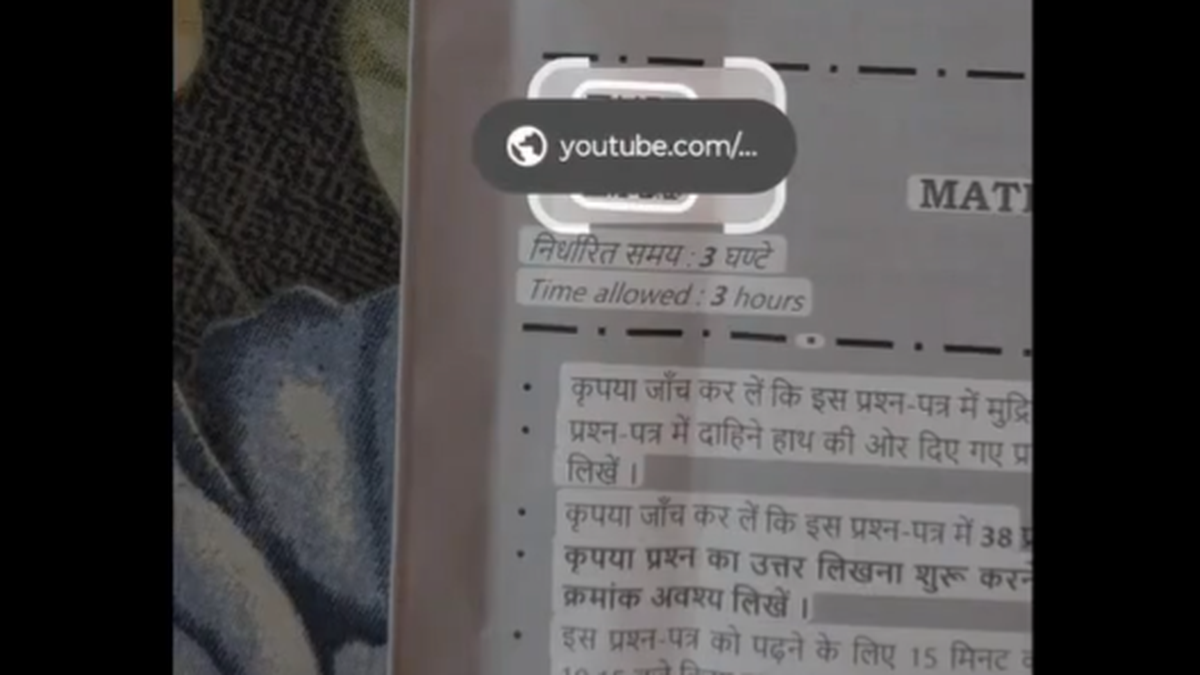
Students sitting for the CBSE Class 12 Math exam were met with a massive surprise this week. A QR code printed on the official question paper, which many expected to lead to educational resources, instead directed users to a famous prank video. The link sent students to the music video for "Never Gonna Give You Up" by Rick Astley. This internet joke, known as "Rickrolling," has turned a serious academic event into a viral news story across the country.
Main Impact
The main impact of this event is a mix of humor and concern over official processes. While many students found the prank funny and a good way to break the stress of a hard exam, it has raised serious questions about how exam papers are checked before they are printed. The Central Board of Secondary Education (CBSE) is known for its strict rules and high standards, so a prank like this appearing on a national test is a major oversight. It shows that even the most secure systems can have small, unexpected gaps.
Key Details
What Happened
During the Class 12 Mathematics examination, students noticed a QR code on their papers. In recent years, boards have started using these codes to help with digital tracking or to provide students with quick access to official websites. However, when students or teachers scanned this specific code, they were not taken to a math portal. Instead, their screens filled with the bright colors and catchy beat of a 1987 pop hit. The "Rickroll" prank had successfully made its way into one of the most important exams in a student's life.
Important Numbers and Facts
The incident affected the Class 12 Math paper, which is taken by hundreds of thousands of students across India. The song involved, "Never Gonna Give You Up," was released in 1987 and has billions of views on video platforms due to this specific prank. While the board has not yet released an official count of how many paper sets contained the link, the news spread almost instantly on social media platforms like X (formerly Twitter) and Reddit. The exam took place in March 2026, a time when student stress is usually at its highest point.
Background and Context
To understand why this is such a big deal, it helps to know what "Rickrolling" is. It is one of the oldest and most famous jokes on the internet. The idea is simple: you give someone a link that looks like it leads to something important, like a news story or a helpful tip. When they click it, they see Rick Astley singing his famous song. It is meant to be a harmless way to trick people.
In the context of Indian education, the CBSE Class 12 exams are very serious. These tests often decide which colleges a student can enter. Because the stakes are so high, the papers are usually kept under lock and key. Finding a joke link on such a document is unheard of. It suggests that someone involved in the design or digital setup of the paper might have added the link as a joke, or perhaps used a placeholder link that was never updated to the correct one.
Public or Industry Reaction
The reaction from students has been mostly positive. Many took to social media to share their shock, with some saying it was the only thing that made them smile during a difficult math test. "I thought it was a link to the answer key or a formula sheet," one student wrote online. "When I saw Rick Astley, I couldn't believe it."
On the other hand, parents and education experts are a bit more worried. They argue that if a prank link can get onto a paper, a more dangerous link could also be placed there. There are calls for the board to explain how their quality control failed. Some tech experts suggest that the QR code might have been "dynamic," meaning the destination of the link could have been changed by someone outside the board after the papers were already printed.
What This Means Going Forward
Moving forward, the CBSE will likely change how they handle digital links on printed materials. We can expect much stricter checks on every QR code and URL before they go to the printer. This event serves as a lesson for all large organizations that use digital tools in physical documents. It is no longer enough to just check the text for typos; the digital "hidden" content must also be verified multiple times.
There may also be an internal investigation to see if this was an inside job or a simple mistake. If it was a mistake, it highlights the need for better training for the staff who manage these digital assets. If it was intentional, it shows that even high-security environments are not immune to the reach of internet culture.
Final Take
While the "Rickroll" on the CBSE Math paper provided a moment of laughter for many, it serves as a reminder of the strange ways the digital and physical worlds now overlap. A joke from the 1980s finding its way into a 2026 exam shows that internet culture is everywhere. For the students, it is a story they will tell for years. For the exam board, it is a sign that their digital security and review steps need a serious update to ensure the focus stays on the students' work rather than on internet memes.
Frequently Asked Questions
What is Rickrolling?
Rickrolling is an internet prank where a person provides a link they claim is relevant to the topic, but it actually leads to the music video for Rick Astley's "Never Gonna Give You Up."
Did the QR code affect the exam marks?
No, the QR code did not have any impact on the questions or the scoring of the math paper. It was an external link that did not interfere with the students' ability to answer the exam.
How did the prank link get on the paper?
It is not yet clear if it was a mistake by a staff member using a placeholder link or if the link was changed by someone after the paper was designed. The board is expected to look into the matter.