Summary
Voter turnout in the Castilla y León regional elections has shown a noticeable increase this Sunday. By 6:00 PM, data revealed that 53.18% of eligible voters had already cast their ballots. This figure is more than one and a half points higher than the turnout recorded at the same time during the 2022 elections. With over two million people called to the polls, the high participation suggests a strong interest in the future leadership of the region.
Main Impact
The rise in voter participation is the most significant development of the day so far. In politics, a higher turnout can often shift the final results in unexpected ways. For Castilla y León, this increase means that the citizens are actively engaging with the political process. The current president and his challengers are all watching these numbers closely, as they could determine whether the region sees a continuation of current policies or a major shift in power.
Key Details
What Happened
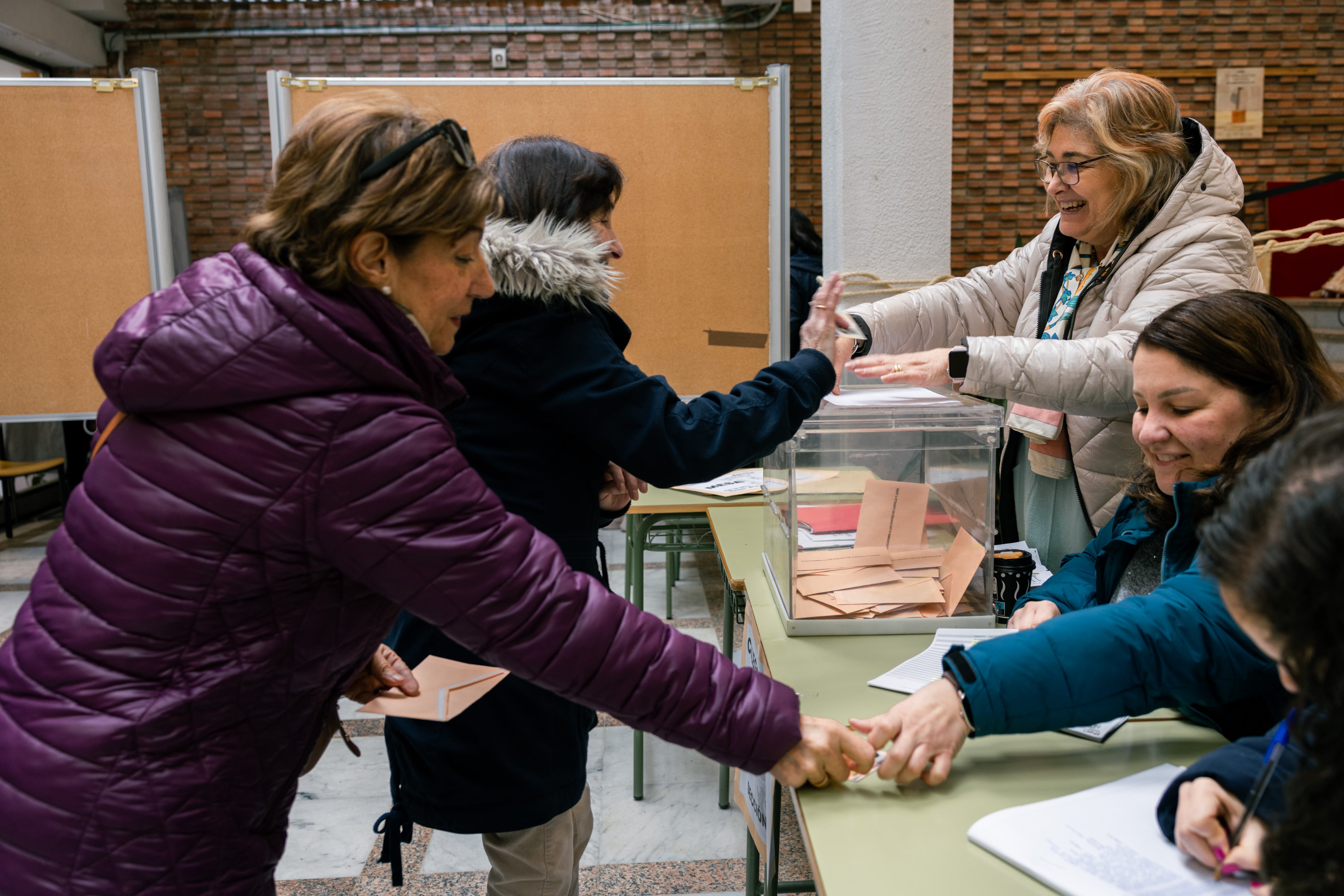
The election day began early across the various provinces of Castilla y León. Polling stations, such as the IES Andrés Laguna in Segovia, saw a steady flow of citizens throughout the morning and afternoon. By the second official data update at 6:00 PM, the government confirmed that participation had reached 53.18%. This is a clear jump from the 51.62% recorded at the same hour in the previous election cycle held in 2022.
Important Numbers and Facts
Several key figures define this election day. More than two million people are registered to vote in this region. The 1.56% increase in turnout compared to 2022 is a primary focus for political analysts. While the People's Party (PP) is currently leading in most pre-election polls, they are not expected to reach an absolute majority. This means they might need support from other parties to form a government. Meanwhile, the party Vox is expected to see a rise in its number of seats, while left-wing parties may face a difficult night with fewer votes than in previous years.
Background and Context
Castilla y León is one of the largest regions in Spain, and its elections are often seen as a sign of the national political mood. The region has traditionally been a stronghold for conservative politics, but recent years have seen the rise of new parties and local groups. This election is particularly important because it tests the strength of the current administration under Alfonso Fernández Mañueco. The political environment in Spain has been tense lately, and these regional results will likely influence how national parties plan their strategies for the future.
Public or Industry Reaction
The main candidates have already shared their thoughts after voting. Alfonso Fernández Mañueco, the current president from the PP, expressed his happiness regarding the high turnout. He stated that when more people participate, it is better for everyone involved. On the other side, Carlos Martínez, the candidate for the PSOE, encouraged everyone to go out and vote. He mentioned that his party has worked hard to offer a change that he believes the region needs.
Carlos Pollán, representing Vox, took a different tone. He used his time with the press to criticize the media. He claimed that his party has been treated unfairly during the campaign. These different reactions show the high stakes of the day, as each leader tries to stay positive while waiting for the final count to begin after the polls close.
What This Means Going Forward
Once the polls close and the final votes are counted, the real work begins. If the polls are correct and no single party wins more than half the seats, there will be days or weeks of negotiations. The PP will likely have to talk to Vox to see if they can agree on a plan to rule together. If the left-wing parties perform better than expected, they might try to block these agreements. The high turnout today suggests that the public wants a clear direction, but the divided nature of the parties means that forming a stable government might still be a challenge.
Final Take
The increase in voter turnout in Castilla y León shows that the local population is highly motivated to have their voices heard. While the current president remains the favorite to win the most votes, the lack of a clear majority means the political future of the region is still uncertain. The final hours of voting and the subsequent count will reveal if the region chooses to stay the course or move in a new direction.
Frequently Asked Questions
What was the voter turnout at 6:00 PM?
The turnout was 53.18%, which is 1.56 points higher than it was at the same time during the 2022 elections.
Who are the main candidates in this election?
The main candidates are Alfonso Fernández Mañueco from the People's Party (PP), Carlos Martínez from the Socialist Party (PSOE), and Carlos Pollán from Vox.
How many people are eligible to vote in Castilla y León?
There are more than two million people called to the polls to vote in these regional elections.