
Summary
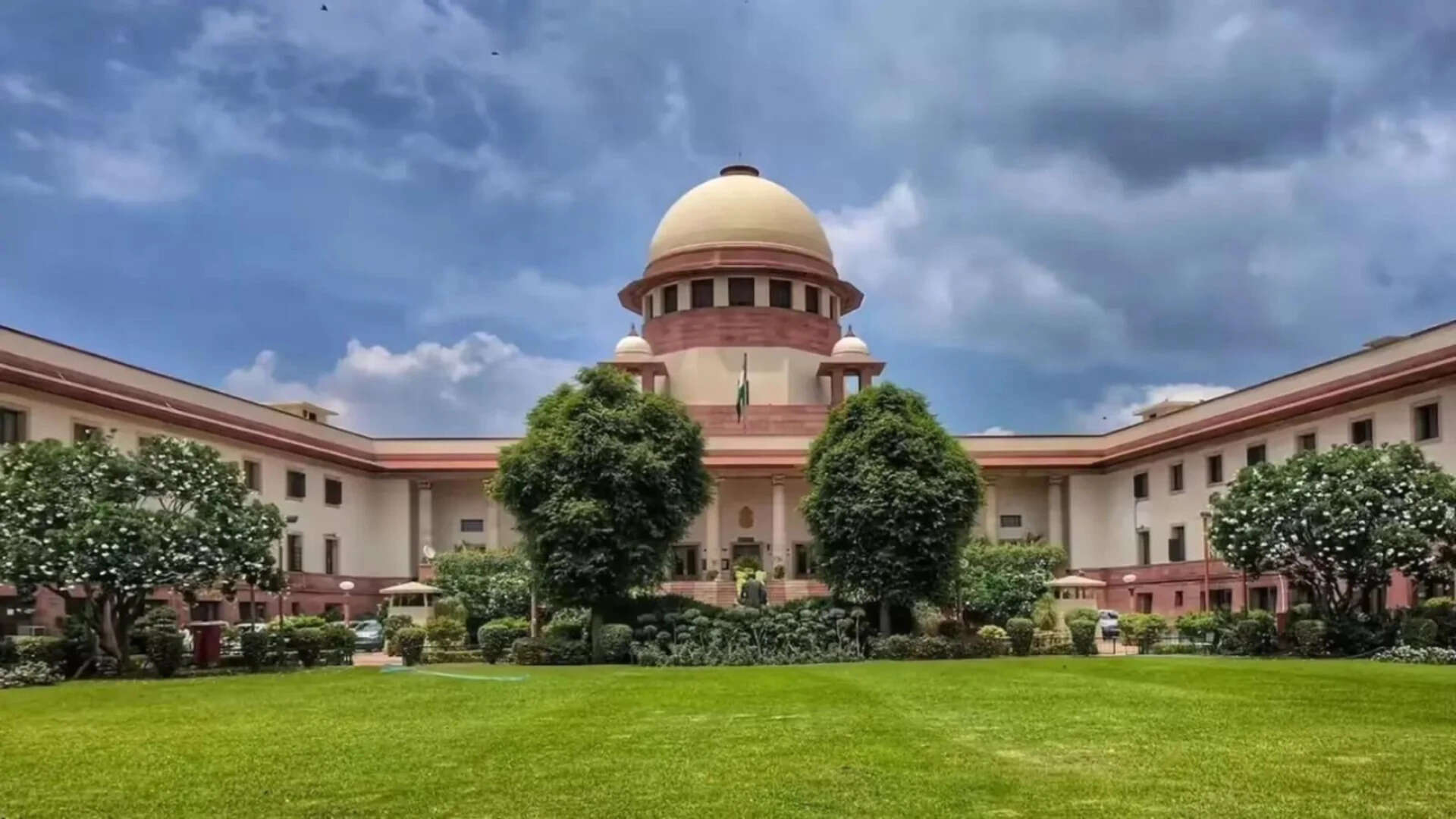
The Supreme Court of India has decided to look into a new proposal that could change how people vote. The plan suggests using biometric data, such as fingerprints and iris scans, at polling stations to verify a voter's identity. This move is intended to stop people from voting multiple times or pretending to be someone else. While the court believes the idea is important, it confirmed that these changes will not happen during the current state elections.
Main Impact
The biggest impact of this decision is the potential shift toward a more digital and secure voting system. If implemented, it would mean that physical ID cards and ink marks might no longer be the only ways to check a voter’s identity. This could significantly reduce "bogus voting," where people use fake names to cast extra ballots. However, it also means the government must find a way to handle the private data of millions of citizens safely.
Key Details
What Happened
A petition was filed in the Supreme Court asking for better ways to identify voters. The person who filed the petition suggested that using body-based technology, like scanning a person's eye or thumb, would be much harder to fake than a paper card. The Supreme Court judges agreed that this is a serious matter that needs to be studied. As a result, they sent official notices to the central government and the Election Commission of India (ECI) to get their opinions on the matter.
Important Numbers and Facts
The court has asked for responses from all state governments as well. This shows that the plan would affect the entire country, not just a few areas. Even though the court is interested, they were very clear about the timing. They stated that the current elections will continue as planned using the existing rules. This means any new biometric system would only be considered for future national or state polls, likely years away from now.
Background and Context
For a long time, India has used a system where voters show a photo ID card and get a mark of purple ink on their finger. This ink is supposed to stay for weeks to show that the person has already voted. While this system has worked for many years, there are still reports of people trying to cheat the system. In some cases, people try to wash off the ink or use fake IDs.
Biometric technology is already used in India for other things, like the Aadhaar system. Many people use their fingerprints to get food rations or open bank accounts. The petition argues that since the government already has this data, it should be used to make sure elections are fair and honest. The goal is to make sure that "one person, one vote" is strictly followed across the country.
Public or Industry Reaction
The reaction to this news has been mixed. Many people who want cleaner elections are happy that the Supreme Court is taking this seriously. They believe that technology is the best way to stop corruption at polling booths. They argue that a fingerprint cannot be faked as easily as a piece of paper.
On the other hand, some experts are worried about privacy. They ask who will hold the biometric data and if it could be hacked. There are also concerns about people living in remote villages. In some rural areas, internet connections are slow or do not work at all. If a biometric machine needs the internet to check a fingerprint, it might prevent honest people from voting if the technology fails on election day.
What This Means Going Forward
The next step is for the central government and the Election Commission to file their replies in court. They will have to explain if they think the plan is possible and how much it would cost. Setting up biometric scanners at every single polling booth in India would be a massive task. There are nearly a million polling stations across the nation.
If the government agrees, we might see small tests or "pilot projects" in certain cities before a full rollout. The court will also have to listen to arguments about data security. The legal process will likely take several months or even years before a final decision is made. For now, voters will continue to use their standard ID cards and the traditional ink mark.
Final Take
The Supreme Court’s interest in biometric voting shows that India is looking for modern solutions to old problems. While the technology could make elections much safer, the government must ensure that no one is left behind because of a technical glitch. Fairness in a democracy depends on both security and the ability of every citizen to cast their vote easily.
Frequently Asked Questions
Will I need to give my fingerprints to vote in the next election?
No. The Supreme Court has stated that these changes will not be introduced for the current state elections. Any changes would only happen in the future after a long review.
Why is the court looking at iris scans and fingerprints?
The goal is to stop voter fraud. Biometric data is unique to each person, making it almost impossible for someone to vote twice or use a fake identity.
What are the main concerns about this plan?
The main concerns are about the privacy of voter data and whether the technology will work reliably in areas with poor internet or electricity.



