
Summary
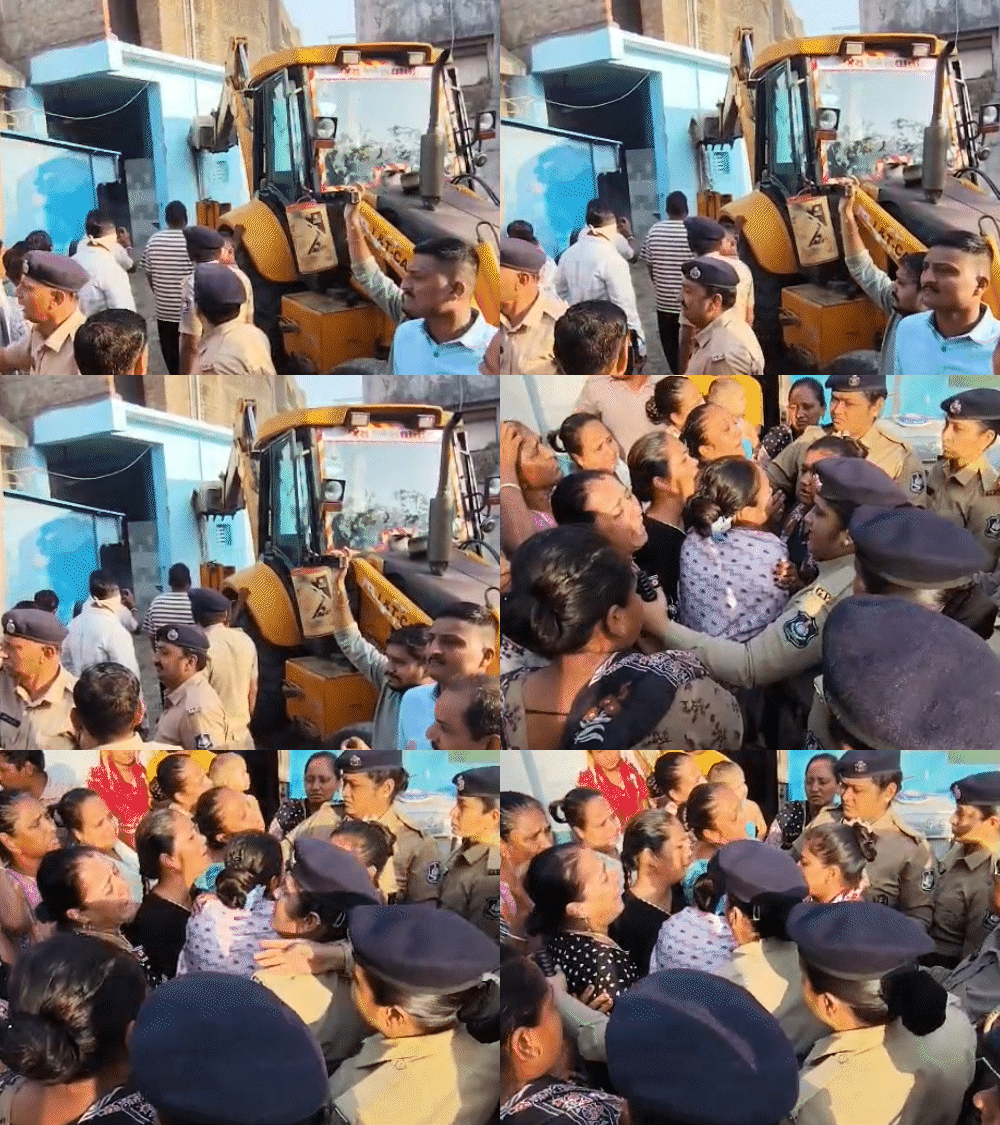
Authorities in Bhavnagar took a major step against illegal activities by tearing down several buildings owned by known criminals. On the morning of March 23, 2026, the police targeted the properties of four women involved in the illegal liquor trade and one man accused of physical assault. This action is part of a larger plan to stop crime in the city and send a strong warning to lawbreakers. The operation resulted in the destruction of houses, shops, and small rooms used for criminal work.
Main Impact
The main impact of this move is the direct hit to the financial and physical resources of local gangs. By removing the buildings where illegal goods were stored or sold, the police are making it harder for these groups to operate. This "bulldozer action" has created a sense of fear among other criminals in the area. It also shows that the local government is willing to use tough measures to maintain peace. However, the move has also caused distress among the families of the accused, who claim that some of the destroyed shops were legal businesses.
Key Details
What Happened
The operation began early in the morning in the Adodiya area of Bhavnagar. Led by Superintendent of Police (SP) Nitesh Pandey, a large team arrived at the site with heavy machinery. Four JCB machines were used to pull down the structures. The police team was supported by workers from the municipal corporation, the electricity department (PGVCL), and the fire department. The entire process was finished quickly to prevent any major protests or violence in the neighborhood.
Important Numbers and Facts
The scale of the operation was quite large for a single morning. Over 200 police officers from different departments, including the Local Crime Branch (LCB) and various city police stations, were present to keep order. In just two hours, from 8:00 AM to 10:00 AM, the team destroyed two houses, 14 shops, and 7 small rooms. The five individuals targeted in this crackdown are:
- Anjanaben Pankajbhai Rathod
- Minaben Rakeshbhai Rathod
- Pritiben Arjubhai
- Hiralben Nimeshbhai Parmar
- Mohammad Zubair Zahidbhai Sheikh
The first four are women accused of being bootleggers, while the fifth is a man involved in cases of physical violence.
Background and Context
Bhavnagar has been dealing with a rise in illegal liquor sales and physical fights. In the state of Gujarat, selling or drinking alcohol is against the law. People who sell liquor illegally are called bootleggers. Often, these individuals build shops or extra rooms on public land or without proper permits to hide their activities. The police have decided that simply arresting these individuals is not enough, as they often return to crime after getting bail. By destroying their physical bases, the police hope to break the cycle of crime more effectively.
Public or Industry Reaction
The reaction to the demolition has been mixed. Many local residents feel safer seeing the police take a stand against gangs that have bothered the neighborhood for years. On the other hand, the families of those targeted were seen crying and protesting as their homes and shops were torn down. Some family members claimed that the police did not give them any legal notice before arriving with the JCBs. They argued that while some parts of the buildings might have been illegal, the shops were their only way to earn an honest living. This has led to a debate about whether the police followed the correct legal steps before starting the demolition.
What This Means Going Forward
This event suggests that the Bhavnagar police will continue to use property demolition as a tool against repeat offenders. It is likely that more areas will see similar actions if crime rates do not go down. For the people of Bhavnagar, this means a stricter environment where the police are more visible. For the legal system, it might lead to court cases where the accused challenge the police for destroying property without what they call "proper notice." The government will need to balance these tough actions with legal rules to ensure that the rights of citizens are not ignored while fighting crime.
Final Take
The demolition in Bhavnagar is a clear sign that the police are moving toward a "zero tolerance" policy for illegal acts. While the immediate result is the removal of criminal hubs, the long-term effect will depend on how the community and the courts view these methods. For now, the message is simple: those who break the law may lose more than just their freedom; they may also lose the buildings they use to run their illegal businesses.
Frequently Asked Questions
Why were the buildings in Bhavnagar demolished?
The buildings belonged to individuals involved in illegal liquor trading and physical assault. The police destroyed them because they were used for criminal activities and were reportedly built illegally.
Who was targeted in this police action?
The police targeted five main individuals, including four women known for bootlegging and one man involved in violent crimes. A total of 2 houses, 14 shops, and 7 rooms were pulled down.
Did the owners receive a warning before the demolition?
The families of the accused claim they were not given any legal notice. However, the police and municipal corporation usually carry out these actions based on records of illegal construction and ongoing criminal cases.



