Summary
Stock markets across Asia saw a sharp decline today as tensions between the United States and Iran reached a dangerous new level. Both nations have traded threats of military action, causing investors to pull their money out of the market in fear of a larger war. This instability has led to a sudden rise in oil prices and a drop in confidence for global trade. Experts warn that if the situation does not improve, the world could face a massive shortage of power and fuel.
Main Impact
The most immediate effect of this conflict is being felt in the financial world. Major stock indexes in Japan, Hong Kong, and South Korea all lost value as the trading day began. When countries threaten war, people who own stocks often get scared and sell their shares. They prefer to keep their money in safer places like gold or government bonds. This sell-off makes the value of big companies drop quickly, which can hurt the overall economy.
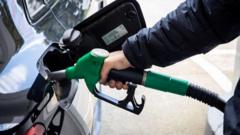
Beyond the stock market, the threat of war is making energy much more expensive. Because the Middle East is a major source of the world's oil, any trouble there makes people worry that the supply will be cut off. When oil prices go up, it costs more to ship goods, run factories, and drive cars. This usually leads to higher prices for everyday items like food and clothes, making life harder for families everywhere.
Key Details
What Happened
The current crisis started after a series of aggressive statements from leaders in both Washington and Tehran. The United States has warned of strong military responses if its interests are attacked, while Iran has suggested it could block important shipping routes in the Middle East. These routes are vital because they allow oil tankers to move from the Persian Gulf to the rest of the world. If these paths are closed, the flow of energy would stop almost instantly.
Important Numbers and Facts
In Tokyo, the Nikkei 225 index dropped by more than 2% in a single morning. Similar losses were seen in Hong Kong, where the Hang Seng index fell significantly. Meanwhile, the price of crude oil jumped by several dollars per barrel in just a few hours. Financial analysts noted that this is one of the fastest market drops seen this year. The International Energy Agency (IEA) has been tracking these changes closely, noting that the global energy supply is currently very fragile.
Background and Context
The relationship between the United States and Iran has been difficult for many years. There have been many times when the two countries almost went to war, but they usually found a way to step back. However, this time feels different to many experts. The rhetoric is louder, and both sides seem less willing to talk. This matters because the modern world relies on a steady flow of energy to function. Without oil and gas from the Middle East, many countries would struggle to keep their lights on and their businesses running.
The International Energy Agency, which helps countries manage their fuel supplies, is particularly worried. The head of the IEA stated that the current situation could lead to the worst energy crisis the world has seen in decades. This refers to a time when fuel is so scarce or expensive that it causes schools to close, planes to stop flying, and heating to become a luxury. The last time the world saw a crisis this big was in the 1970s, and it took years for the global economy to recover.
Public or Industry Reaction
Business leaders and economists are calling for calm. Many are asking the leaders of both countries to use diplomacy instead of military force. Shipping companies are especially nervous, as their vessels must travel through the areas where the conflict is happening. Some companies have already started moving their ships to longer, more expensive routes to avoid the danger zone. This adds even more cost to the goods they carry.
In the tech industry, there is concern that a wider war could disrupt the making of computer chips and other parts. Many Asian countries that make these parts rely on imported energy. If their power costs go up or if they face blackouts, the production of phones, computers, and cars could slow down significantly. This would create a ripple effect that touches almost every part of the modern world.
What This Means Going Forward
The next few days will be critical. If the US and Iran continue to threaten each other, stock markets will likely keep falling. If they move toward a peaceful solution, the markets might recover some of their losses. However, the fear of a sudden energy shortage will likely stay for a long time. Governments may start looking for ways to store more fuel or find other sources of energy so they are not so dependent on one region.
For the average person, this could mean higher prices at the gas pump and higher utility bills in the coming months. It also means that the global economy might grow more slowly than expected. Banks may change how they lend money, and companies might be more careful about hiring new workers until they see what happens next.
Final Take
The world is currently watching a dangerous game of chicken between two powerful nations. While the conflict is happening in the Middle East, the consequences are showing up in bank accounts and stock markets in Asia and beyond. The warning from the IEA serves as a reminder of how connected we all are through our need for energy. Peace is not just a political goal; it is a necessity for a stable and working global economy.
Frequently Asked Questions
Why are Asian stocks falling because of a conflict in the Middle East?
Asian countries rely heavily on oil and gas imported from the Middle East. When there is a threat of war, investors worry that energy prices will rise and hurt the profits of big companies, so they sell their stocks.
What is the International Energy Agency (IEA)?
The IEA is an international group that helps countries make sure they have enough energy to run their economies. They track oil supplies and give advice to governments during times of crisis.
How does a rise in oil prices affect me?
When oil prices go up, it usually leads to higher prices for gasoline and electricity. It also makes it more expensive for companies to make and move products, which can lead to higher prices for food and other goods at the store.