
Summary
Andhra Pradesh Chief Minister N. Chandrababu Naidu has set a clear goal for the state's energy sector. He wants the cost of buying electricity to stay at or below ₹4 per unit. This move is part of a larger plan to fix the money problems faced by power companies in the state. Instead of asking the public to pay higher monthly bills, the government plans to use better management and new rules to save money. This decision aims to protect families and businesses from rising costs while making the power system more reliable.
Main Impact
The biggest impact of this decision is that electricity prices for the general public are likely to stay steady. Usually, when power companies lose money, they ask the government for permission to charge people more. By setting a price cap of ₹4 per unit for buying power, the Chief Minister is forcing these companies to find ways to be more efficient. This approach shifts the focus from the pockets of the citizens to the internal workings of the energy department. If successful, it could lead to a more stable economy in the state, as businesses can plan their costs without worrying about sudden jumps in energy prices.
Key Details
What Happened
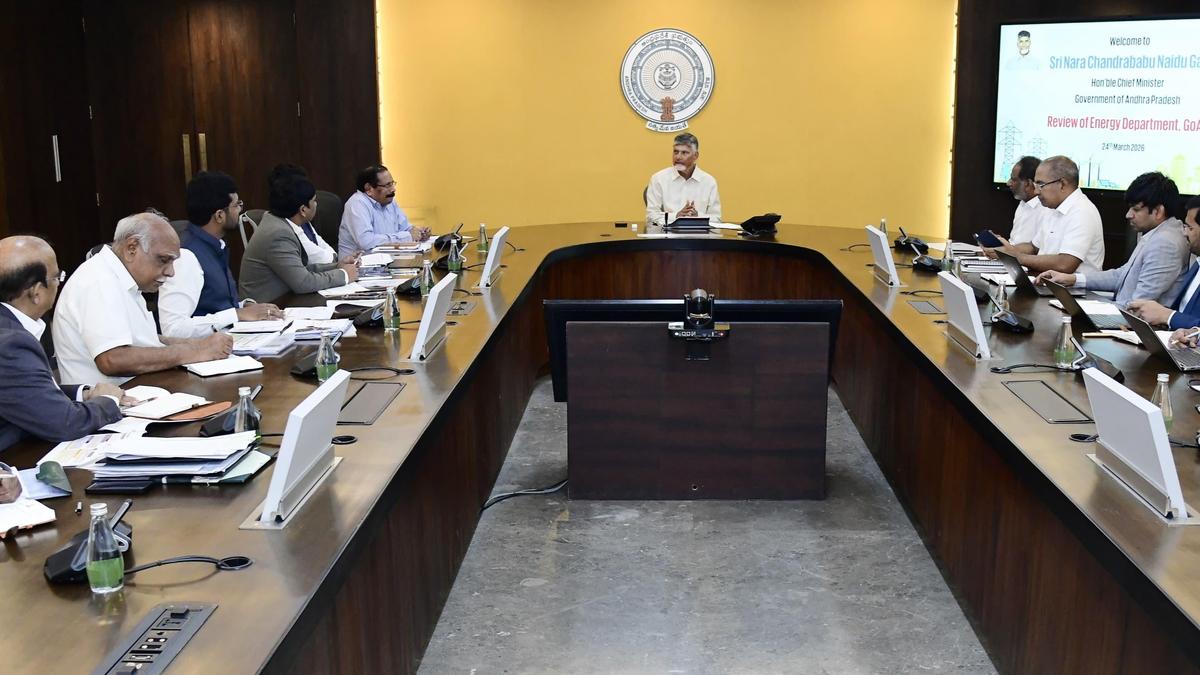
During a recent review meeting with senior officials from the energy department, the Chief Minister looked closely at how much the state spends on electricity. He noticed that the cost of buying power from different sources was often too high. To fix this, he gave a direct order to keep the average purchase price at ₹4 per unit. He explained that the state cannot keep passing the burden of high costs to the people. The focus must now be on fixing the system from the inside rather than just collecting more money from consumers.
Important Numbers and Facts
The target price of ₹4 per unit is a significant benchmark for the state. Currently, many power purchase deals are much more expensive than this. The state's power utilities are also dealing with large amounts of debt. To reach this new goal, the government will look at several areas. This includes reducing the amount of electricity lost during transport through wires and making sure power plants run at their best capacity. The government also plans to review old contracts to see if they can get better deals from power producers.
Background and Context
The power sector in many parts of India often struggles with debt. This happens for a few reasons. Sometimes, the cost of coal or gas goes up, making it expensive to produce electricity. Other times, old equipment leads to a lot of wasted energy. In the past, the easiest way to cover these losses was to increase the price of electricity for homes and factories. However, this often makes life harder for poor families and makes it difficult for local businesses to compete. By choosing "reforms" over "tariff hikes," the government is trying to break this cycle. They want to prove that a government can provide cheap power if it manages its resources wisely.
Public or Industry Reaction
Many people in the state have welcomed the news that their electricity bills might not go up. For a long time, there has been worry about the rising cost of living. Knowing that the government is looking for ways to save money internally gives some relief to the public. On the other hand, some experts in the energy industry say that reaching the ₹4 target will be a big challenge. They point out that the price of fuel and the cost of maintaining large power plants are always changing. However, industry leaders also agree that if the state can reduce waste and use more solar and wind power, the goal is possible.
What This Means Going Forward
In the coming months, the energy department will have to change how it works. They will likely look for more renewable energy sources, like solar power, which can often be cheaper than coal in the long run. There will also be a push to use technology to track where electricity is being wasted. If the state can meet this ₹4 target, it could become a model for other states in India. The next steps involve checking every part of the power supply chain, from the moment electricity is made at a plant to the moment it reaches a person's home. The government will also need to be very careful when signing new deals with private power companies to ensure they stay within the price limit.
Final Take
Setting a price limit on power purchases shows a strong commitment to the people of Andhra Pradesh. It moves the responsibility of financial health away from the consumer and places it on the government and power companies. While the path to reaching ₹4 per unit will require hard work and many changes, the focus on efficiency over price hikes is a positive step for the state's future. It shows that smart management can be a powerful tool for helping the public and fixing the economy at the same time.
Frequently Asked Questions
Will my electricity bill go up soon?
Based on the Chief Minister's current plan, the goal is to avoid increasing electricity prices for consumers by focusing on better management and lower purchase costs.
How will the government reach the ₹4 per unit target?
The government plans to achieve this by reducing energy waste, improving how power plants operate, and negotiating better prices when buying electricity from producers.
What are power reforms?
Power reforms are changes made to the way electricity is produced, moved, and sold. This includes using better technology, stopping energy theft, and making sure the companies run more efficiently to save money.

