
Summary
Archaeologists have discovered an ancient human settlement in Sharjah that dates back 125,000 years. The find was made at the Buhais Rockshelter, a site located in the central region of the emirate. This discovery is important because it provides new evidence about how early humans moved out of Africa and settled in the Arabian Peninsula. It shows that the region played a much bigger role in early human history than many people previously thought.
Main Impact
The discovery at Buhais Rockshelter changes our understanding of human migration. For a long time, many scientists believed that early humans stayed in Africa for much longer before moving to other parts of the world. This 125,000-year-old site proves that groups of people were already living in what is now the United Arab Emirates during the Middle Paleolithic period. This find supports the idea that the Arabian Peninsula was a vital bridge for our ancestors as they spread across the globe.
Key Details
What Happened
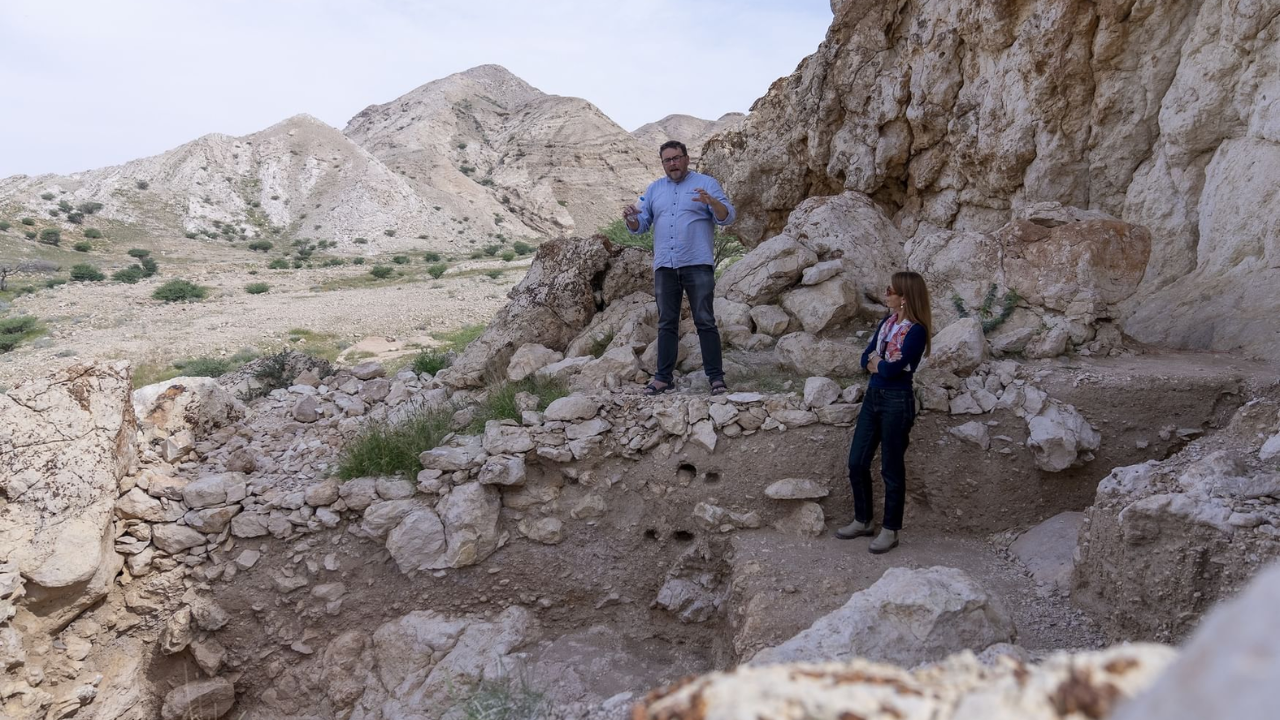
A team of researchers and archaeologists working with the Sharjah Archaeology Authority found evidence of human life deep within the layers of the Buhais Rockshelter. They found stone tools and other signs that people lived there for long periods. The site is a natural rock overhang that provided protection from the weather, making it a perfect home for early hunter-gatherers. By studying the layers of soil and the objects found inside, experts were able to determine exactly when these people lived there.
Important Numbers and Facts
The site is dated to approximately 125,000 years ago. This matches a time known as the Last Interglacial period. During this era, the climate was very different from what we see today. Researchers found specific types of stone tools, including scrapers and points, which were used for hunting and preparing food. The location, Jebel al-Buhais, is already famous for having many archaeological sites, but this specific find is one of the oldest ever recorded in the region.
Background and Context
To understand why this matters, we have to look at the "Out of Africa" theory. This theory says that all modern humans come from ancestors who lived in Africa. Scientists want to know exactly when and how these people left Africa to go to Asia and Europe. In the past, many thought humans took a northern route through the Sinai Peninsula. However, sites like Buhais Rockshelter suggest they might have taken a southern route, crossing the Red Sea at its narrowest point and moving through the green corridors of Arabia.
It is also important to know that 125,000 years ago, the UAE was not a dry desert. Because of changes in Earth's orbit, the region received much more rain. There were large lakes, flowing rivers, and plenty of grass and trees. This environment attracted animals like gazelles and wild cattle, which in turn attracted human hunters. The Buhais Rockshelter was likely a seasonal camp where groups would stay while following animal herds.
Public or Industry Reaction
Archaeologists and historians are very excited about this news. The Sharjah Archaeology Authority has stated that this discovery confirms Sharjah’s position as a global center for archaeological research. Experts from around the world have praised the find, noting that it fills a major gap in the history of human movement. Local officials have also highlighted how these discoveries help the public connect with the very deep history of the land, showing that the UAE has been a home for humanity for over a hundred thousand years.
What This Means Going Forward
This discovery will lead to more excavations in the area. Scientists want to find more evidence, such as ancient fireplaces or even human remains, to learn more about the daily lives of these early settlers. There is also a plan to use more advanced dating technology to see if there are even older layers beneath the current find. This work will help create a more complete map of how humans traveled across the world. It also means that the Buhais area will receive more protection to ensure these historical treasures are kept safe for future study.
Final Take
The 125,000-year-old settlement in Sharjah is more than just a pile of old stones. It is a piece of the puzzle that explains where we all came from. By looking at these ancient tools and shelters, we can see that our ancestors were smart, adaptable, and capable of traveling huge distances to find a better life. This discovery ensures that the Arabian Peninsula is recognized as a central part of the human story.
Frequently Asked Questions
How old is the settlement found in Sharjah?
The settlement at Buhais Rockshelter is approximately 125,000 years old, dating back to the Middle Paleolithic period.
Why is the Buhais Rockshelter important?
It provides evidence that early humans lived in the Arabian Peninsula much earlier than previously thought, supporting theories about how humans migrated out of Africa.
What was the environment like in the UAE 125,000 years ago?
Back then, the region was much wetter and greener, with lakes, rivers, and plenty of vegetation and wildlife, making it a good place for early humans to live.

