
Summary
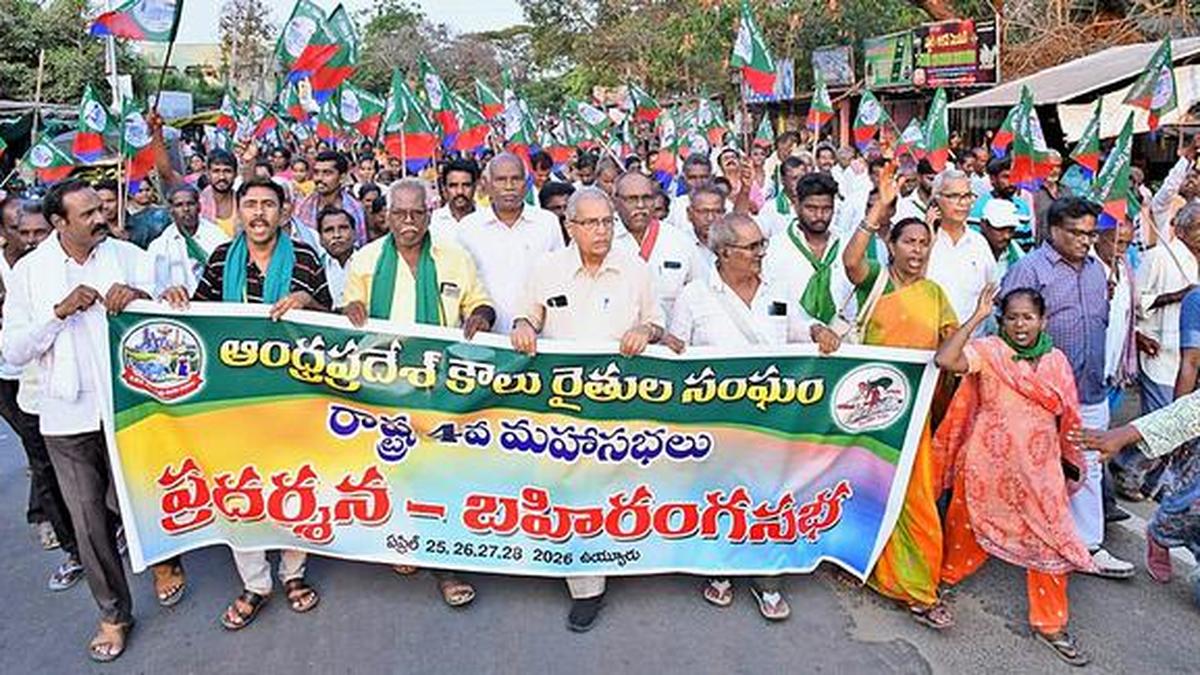
Farmers in the Amaravati region are being called to stand together against a new ring road project that threatens their land. Ashok Dhawale, a senior leader from the All India Kisan Sabha (AIKS), has urged local landowners to resist the project until their rights are fully respected. The main issue centers on the government's failure to follow legal steps required for taking over private property. This movement highlights a growing tension between large infrastructure plans and the legal protections meant for rural workers and families.
Main Impact
The push for the Amaravati ring road has created a significant divide between the state government and the farming community. If the project moves forward without following the law, hundreds of families could lose their primary source of income. The AIKS leader argues that ignoring the legal process sets a dangerous example for future projects. By demanding a halt to the work, farmers are seeking to protect their livelihoods and ensure that any land taken is paid for at a fair and legal price. This situation could delay the road project and lead to a larger legal battle over how land is acquired in the state.
Key Details
What Happened
During a recent meeting with local farmers, Ashok Dhawale criticized the way the government is handling the ring road project. He pointed out that the authorities are skipping vital steps required by the Right to Fair Compensation and Transparency in Land Acquisition Act of 2013. Specifically, he noted that the government has not held the required Gram Sabha meetings. These meetings are essential because they allow the entire village to discuss and vote on whether they agree to give up their land. Without these consultations, the land acquisition process is seen as forced rather than agreed upon.
Important Numbers and Facts
The 2013 Land Acquisition Act is the main law at the center of this dispute. This law was created to make sure farmers are not treated unfairly when the government needs land for public use. One of the biggest demands from the AIKS is for the government to pay farmers four times the current market rate for their land. This high rate is intended to help families relocate and find new ways to earn money after losing their farms. Additionally, the law requires that a majority of landowners give their consent before any land is taken, a step that leaders claim has been ignored in this case.
Background and Context
Amaravati has been the focus of many development plans over the last decade. While the government views a ring road as a way to improve traffic and help the city grow, farmers see it as a threat to their heritage. Most of the land in this area is highly fertile and has been farmed for generations. When a road is built, it does not just take the land where the pavement sits; it often cuts through irrigation systems and makes nearby plots harder to farm. The 2013 Act was passed by the national government to prevent the "land grabs" that happened in the past, where farmers were often paid very little and had no say in the process. By citing this law, the AIKS is using a powerful legal tool to fight for the rights of the rural poor.
Public or Industry Reaction
The reaction from the farming community has been one of worry and anger. Many feel that the government is prioritizing big business and urban growth over the needs of those who grow the country's food. Local farmer groups have expressed their support for the AIKS position, stating that they will not give up their land until the law is followed to the letter. On the other hand, some industry supporters argue that the ring road is necessary for the region to become a modern economic hub. However, the lack of transparency has made it difficult for the government to gain any public trust. The call to "unite and resist" has resonated with many who feel their voices have been ignored by officials in charge of the project.
What This Means Going Forward
The next steps will likely involve more protests and potential court cases. If the government does not stop to hold Gram Sabha meetings, the farmers may file a lawsuit to halt the project entirely. This could lead to long delays for the ring road, which might increase the total cost of the project. For the government, the challenge is to find a way to build the road while also making the farmers feel respected and fairly paid. If they continue to bypass the 2013 Act, they risk a major standoff that could spread to other parts of the state where land is being acquired for similar projects. The outcome in Amaravati will likely serve as a test case for how land rights are handled in the future.
Final Take
True progress cannot happen if the law is ignored to speed up construction. The demands made by the AIKS are based on existing national laws designed to protect the most vulnerable members of society. By insisting on fair pay and proper consultation, the farmers are not just fighting for money; they are fighting for the right to have a say in their own future. The government must decide if it will follow the legal path or continue to face a united front of resistance from the people who live on the land.
Frequently Asked Questions
What is the main law being discussed in this land dispute?
The main law is the Right to Fair Compensation and Transparency in Land Acquisition Act of 2013, which sets rules for how the government can take private land for public projects.
What are the farmers demanding?
Farmers are demanding that the government hold village consultations (Gram Sabhas), get prior consent from owners, and pay compensation at four times the current market rate.
Why is the Gram Sabha consultation important?
The Gram Sabha consultation is a legal requirement that ensures local villagers have a voice in the decision-making process and can discuss how the project will affect their community.

