Summary
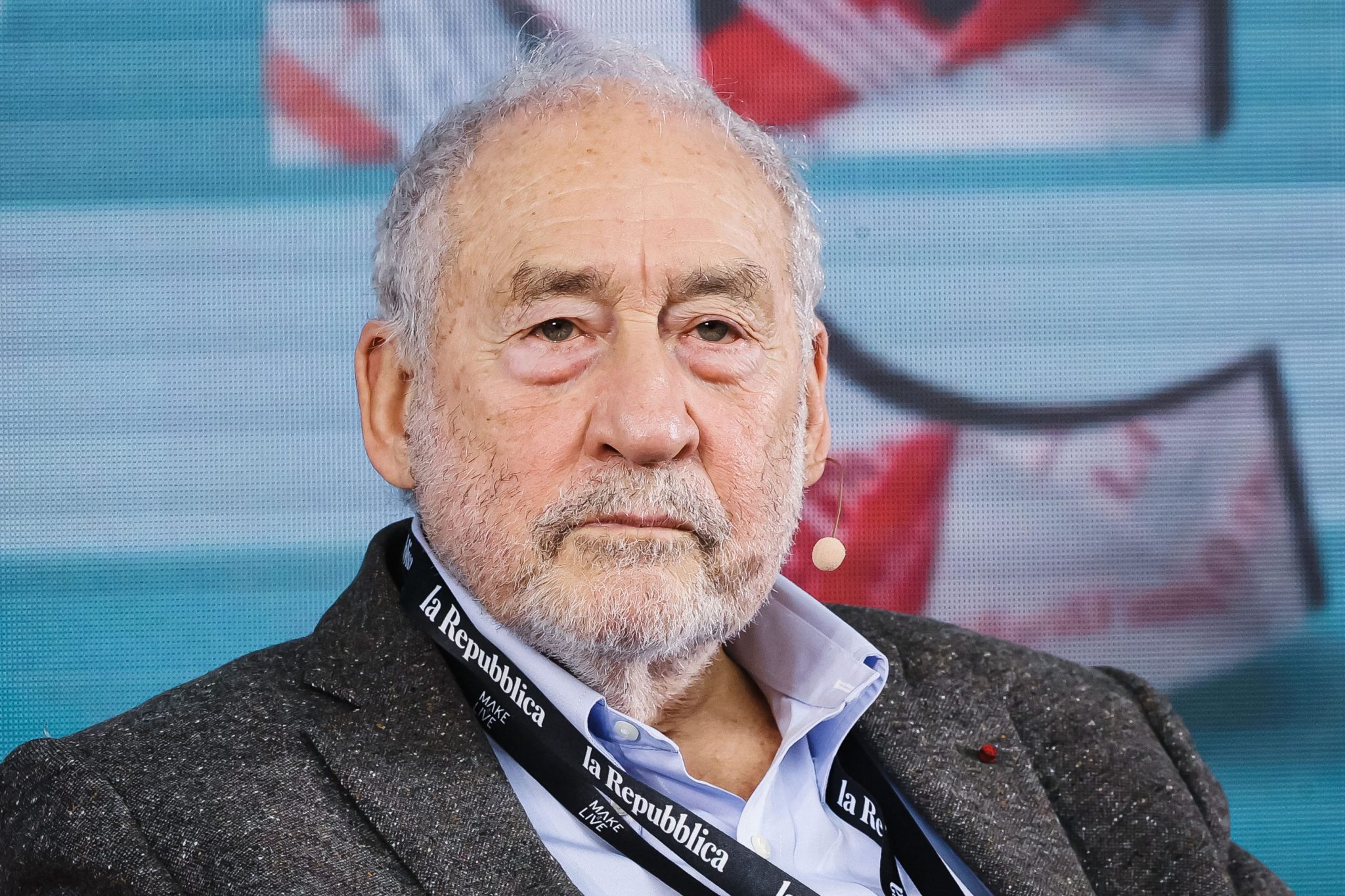
Nobel Prize-winning economist Joseph Stiglitz is raising an alarm about the rise of artificial intelligence. He warns that without careful management, AI will likely increase the gap between the rich and the poor. Stiglitz argues that while the technology could help society, it is currently being used to cut jobs and increase profits for a small group of wealthy owners. He believes that the leaders of the tech industry are making the problem worse by trying to limit the power of the government.
Main Impact
The primary concern is that AI allows large companies to remove human workers from the production process. This shift moves money away from employees and sends it directly to the people who own the technology. Stiglitz points out that this creates a dangerous cycle where the "tech bro" class gets richer while the average worker loses their source of income. This trend could lead to a society where a few people hold all the power and wealth, leaving the middle class behind.
Key Details
What Happened
In a recent discussion about his book, "The Road to Freedom," Stiglitz explained that AI is not just a new tool. Instead, it is a force that can change how wealth is shared. He noted that tech leaders often push for smaller government. This is a problem because a strong government is needed to help workers learn new skills and find new jobs when AI takes their old ones. By weakening the government, these leaders are making it harder for society to handle the changes AI brings.
Important Numbers and Facts
- The bottom half of Americans own only about 1% of the wealth in the stock market.
- Bank of America economists found that recent gains in work efficiency are turning into corporate profits rather than higher pay for workers.
- A Gallup poll shows that most American workers do not trust AI and are worried about losing their jobs.
- Stiglitz, who is 83 years old, has spent decades studying how financial systems can fail regular people.
Background and Context
This is not the first time technology has changed the economy. Stiglitz compares the current AI trend to the Great Depression. During that time, farming became much more efficient. While this was good for food production, it meant that fewer farmers were needed. It took a long time and a lot of government help for those workers to find new roles in other industries.
Today, the situation is similar but faster. AI is starting to affect white-collar jobs, such as office work and research, in the same way that machines once affected factory work. Stiglitz argues that if we do not have a plan to help these workers, we will see the same kind of economic pain that happened in the past.
Public or Industry Reaction
It is not just economists who are worried. Even some of the most powerful people in finance are speaking up. Larry Fink, the head of BlackRock, recently said that the benefits of AI are mostly going to the people who own the data and the computers. He questioned what will happen to everyone else if AI replaces office workers.
At the same time, there is a big gap between what bosses think and what workers feel. Many executives are excited about using AI to lower costs. However, their employees are often fearful. This creates tension in the workplace, as workers feel their value is being replaced by software.
What This Means Going Forward
Stiglitz suggests a different way to look at the technology. He calls it "IA," which stands for Intelligence Assisting. In this view, the technology should be a tool that helps humans do their jobs better, rather than a machine that replaces them. He uses AI himself to help find information and speed up his research, but he says it cannot replace actual thinking.
The future of AI will depend on political choices. If the government sets rules to ensure the benefits are shared, AI could help everyone. If the tech industry is allowed to set all the rules, the gap between the rich and the poor will likely grow. The next few years will be critical in deciding which path the world takes.
Final Take
The rise of AI is more than just a technical change; it is a test for our society. Joseph Stiglitz reminds us that technology does not have to cause inequality. It only does so when we allow a small group of people to control the gains. To make AI work for everyone, we need strong public institutions that put the needs of workers and the public ahead of corporate profits.
Frequently Asked Questions
Why does Joseph Stiglitz think AI will increase inequality?
He believes AI allows companies to replace human workers with software. This means the money that used to go to workers as wages now goes to the owners of the AI as profit.
What is the "tech bro" trap mentioned in the article?
It refers to tech leaders who want to use AI to change the economy but also want to make the government smaller. Stiglitz says this is a trap because a strong government is needed to help workers survive the changes AI causes.
What is the difference between AI and IA?
AI often refers to machines replacing human tasks. IA, or Intelligence Assisting, refers to using technology as a tool to help humans do their work better and faster without replacing them.