Summary
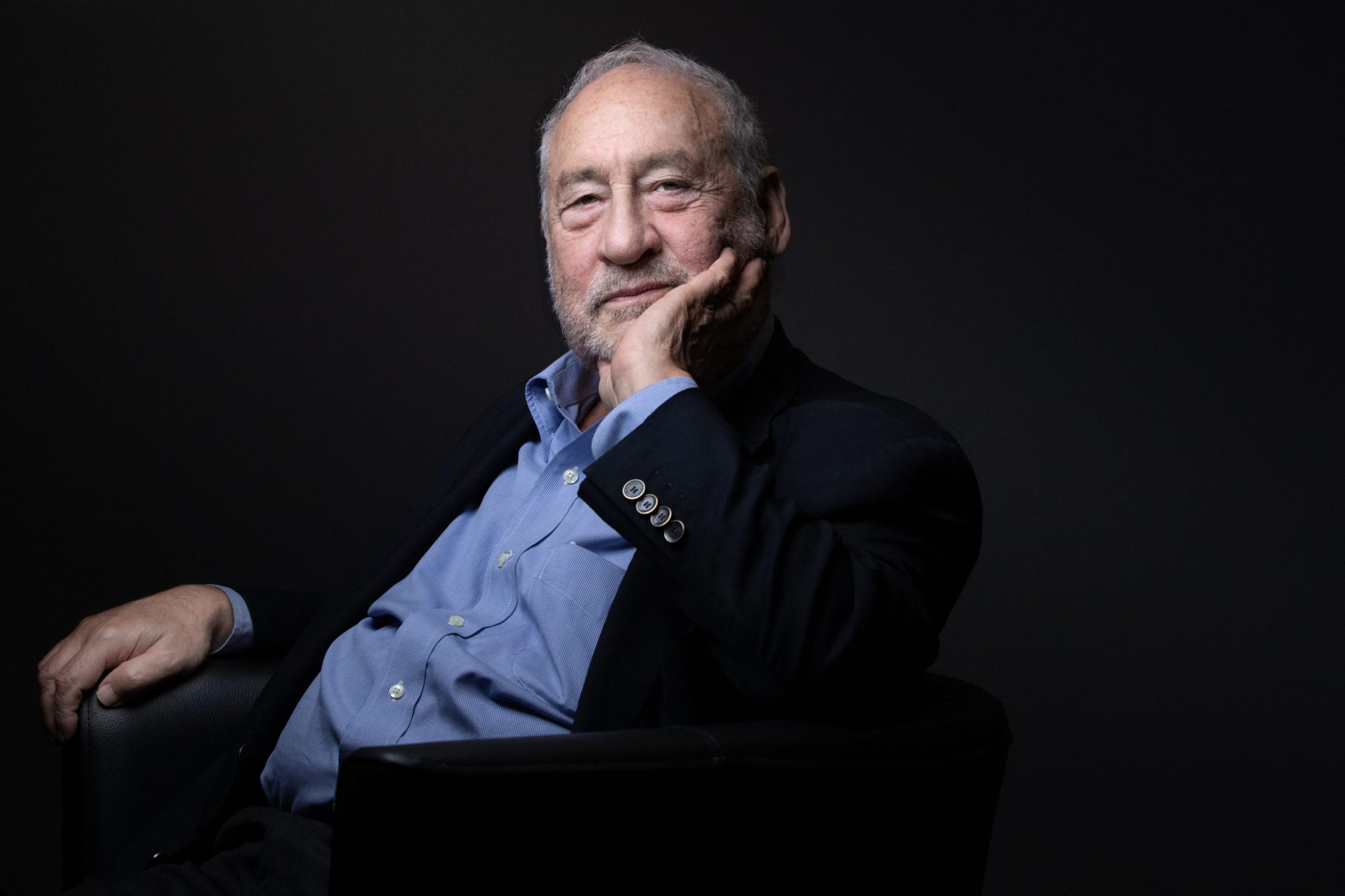
Nobel Prize-winning economist Joseph Stiglitz is warning the public about the current state of Artificial Intelligence (AI). He believes we are currently in an AI bubble that is likely to burst, causing significant harm to the economy and workers. Stiglitz argues that while AI is helping the economy grow right now, we lack the systems needed to help people who lose their jobs to automation. However, he also sees a brighter future where AI acts as a helpful assistant to humans rather than a total replacement for them.
Main Impact
The biggest concern raised by Stiglitz is the "reallocation" of workers. This means moving people from old jobs that AI can do into new roles. Right now, the economy is growing because companies are spending huge amounts of money on AI technology. Stiglitz notes that about one-third of recent economic growth came from these investments. But if the bubble pops, that growth will disappear quickly. The impact will be felt most by office workers and professionals who thought their jobs were safe from technology.
Key Details
What Happened
In a recent interview, Joseph Stiglitz explained that the market is making a big mistake. Investors believe that AI will be both a massive technical success and a way to make easy money without much competition. Stiglitz disagrees. He points out that competition is already very high between American tech companies and firms in China. When many companies compete for the same thing, profits usually go down. If profits do not meet the high expectations of investors, the AI bubble will break, leading to a sharp economic decline.
Important Numbers and Facts
Stiglitz shared several key points to support his view. Last year, AI-related spending was responsible for roughly 33% of economic growth. He also pointed out that the healthcare sector makes up nearly 20% of the U.S. economy. While some people think AI will make healthcare cheaper and better, Stiglitz argues that the high costs are caused by politics and a lack of competition, not a lack of technology. He also mentioned that education makes up about 14% of the workforce, another area where AI will change how people work but likely won't replace them entirely.
Background and Context
To explain the current situation, Stiglitz looks back at history. He compares the AI boom to the Great Depression. During that time, farming became much more productive because of new tools. The world didn't need as many farmers anymore, but there was no plan to help those farmers find new types of work. It took the start of World War II and massive government action to finally move those workers into new industries. Stiglitz fears we are repeating this mistake. We are creating technology that replaces workers, but we do not have "labor-market policies" or large-scale retraining programs to help them transition to new careers.
Public or Industry Reaction
The tech industry is currently divided. Many leaders in Silicon Valley believe AI will solve almost every human problem, from sickness to poverty. On the other hand, many workers are worried about losing their livelihoods. Stiglitz bridges these two views. He acknowledges that AI is powerful, but he criticizes the idea that technology alone can fix broken systems. For example, in healthcare, he says AI can help doctors find diseases faster, but it cannot fix the complicated insurance rules that make medicine expensive for regular people. The reaction from the market has been to pour money into AI, but Stiglitz warns that this "gold rush" ignores the human cost.
What This Means Going Forward
If we can get through the "bursting bubble" phase, Stiglitz believes AI will change into something he calls "Intelligence Assisting" or IA. Instead of taking over a job, the technology will help a human do their job better. He uses the example of a plumber. A plumber might use AI to quickly figure out why a pipe is leaking behind a wall. The AI provides the answer, but the plumber is still the one who has to do the physical work and use their judgment. The same applies to teachers. AI can help create better lesson plans or grade papers, but students still need a human teacher to help them learn and grow.
Final Take
The future of work depends on how we handle the next few years. AI has the potential to be a great tool, but only if we build a safety net for the people whose jobs change. Without government plans for retraining and job creation, the transition to an AI-driven world could be very painful. The technology itself is not the problem; the problem is our lack of preparation for the changes it brings.
Frequently Asked Questions
Is AI going to replace all jobs?
No. While AI will automate routine office tasks, many jobs require human interaction and physical skills. Experts like Stiglitz believe AI will mostly assist workers rather than replace them entirely.
What is an AI bubble?
An AI bubble happens when investors put too much money into AI companies based on the hope of huge profits. If those profits don't happen, the "bubble" pops, and the value of those companies drops quickly.
How can workers prepare for AI changes?
The best way to prepare is through retraining and learning how to use AI as a tool. However, Stiglitz emphasizes that governments must also create programs to help workers move into new industries safely.