Summary
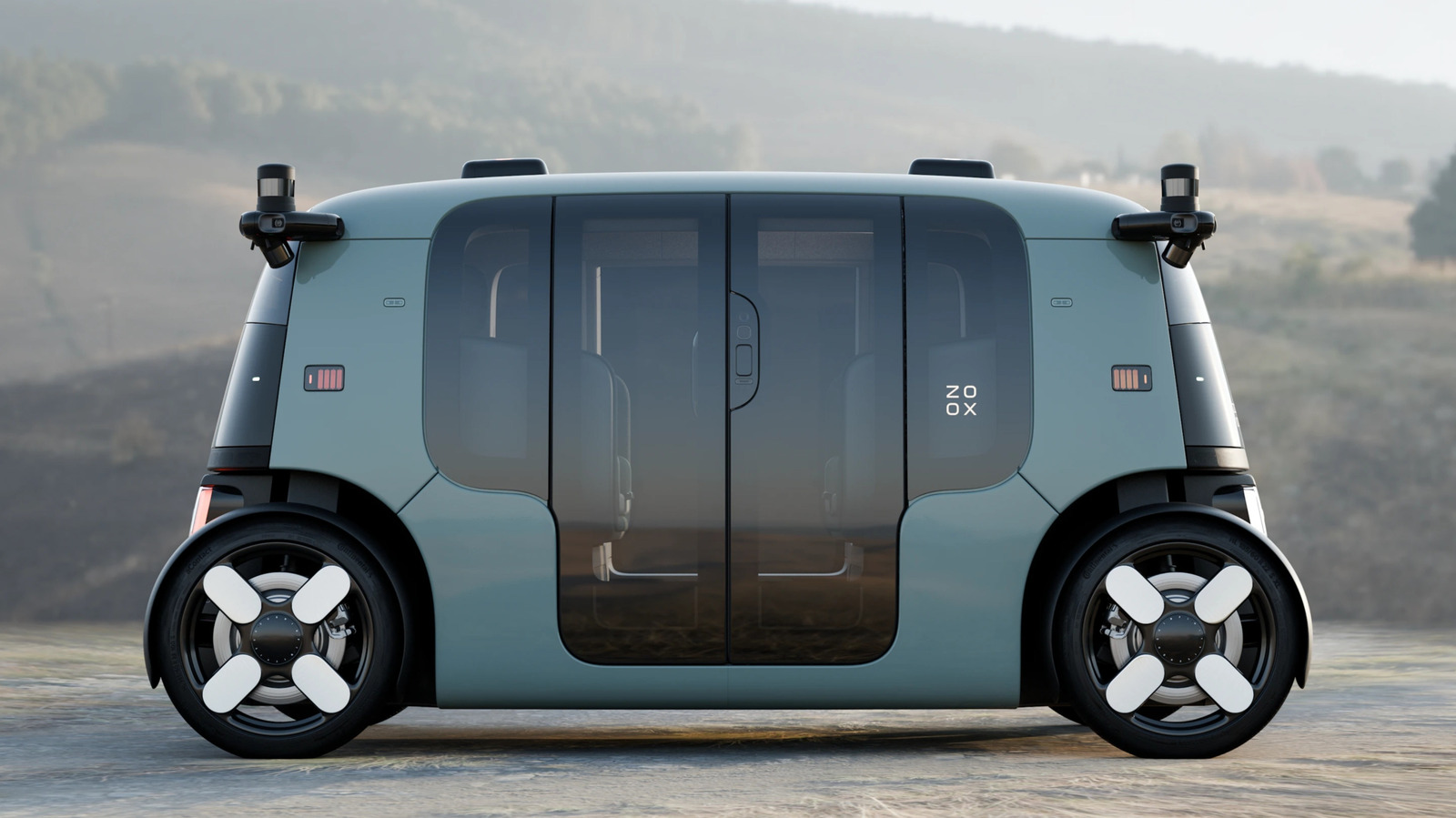
Amazon-owned self-driving car company Zoox has issued a software recall for its robotaxis. The problem is that the vehicles' software might not handle smoke or fog correctly, which could lead to unsafe driving decisions. The recall affects 258 vehicles in the United States and comes after a crash involving a Zoox robotaxi in Las Vegas.
Main Impact
The recall highlights a key safety challenge for autonomous vehicles: how they react to unusual conditions like smoke. Zoox's software update aims to fix the issue, but the recall shows that self-driving cars still struggle with situations that human drivers handle easily. The National Highway Traffic Safety Administration (NHTSA) has been pushing for better emergency response from autonomous vehicles.
Key Details
What Happened
Zoox discovered that its robotaxis' software could get confused when smoke or fog is present. The vehicles might not correctly identify obstacles or road conditions, which could lead to crashes. The company decided to issue a voluntary recall to update the software on all affected vehicles.
Important Numbers and Facts
The recall covers 258 Zoox robotaxis in the U.S. The issue was found after a crash in Las Vegas earlier this year. Zoox says no injuries were reported from the incident. The software update will be sent to all vehicles over the air, meaning owners don't need to bring their cars to a dealership.
Background and Context
Zoox is a self-driving car company owned by Amazon. It has been testing its robotaxis in cities like San Francisco and Las Vegas. The NHTSA has been closely watching autonomous vehicle safety, especially after several high-profile incidents. In recent months, the agency asked companies to improve how their cars handle emergency vehicles and unusual road conditions.
Smoke and fog are tricky for self-driving cars because their sensors rely on cameras and lasers to see the world. When smoke blocks the view, the software might not know what to do. This is a known problem in the industry, and many companies are working on better sensor technology.
Public or Industry Reaction
The recall has drawn attention from safety advocates and regulators. Some experts say it shows that self-driving cars still have a long way to go before they can be trusted in all conditions. Others point out that Zoox acted quickly to fix the problem, which is a good sign for safety.
Zoox said in a statement that safety is its top priority and that the software update will make the vehicles safer. The company also said it is working with the NHTSA to ensure compliance with all safety rules.
What This Means Going Forward
This recall is a reminder that self-driving technology is still developing. While companies like Zoox are making progress, they need to solve many small problems before robotaxis can operate safely everywhere. The NHTSA will likely keep a close eye on how companies handle similar issues in the future.
For now, Zoox's robotaxis will continue to operate with the updated software. The company says it will monitor the vehicles closely to make sure the fix works as expected. Other autonomous vehicle companies may also need to check their systems for similar problems.
Final Take
Zoox's software recall shows that even advanced self-driving cars can struggle with simple things like smoke. The company's quick response is positive, but it also highlights the many challenges left in making robotaxis truly safe for everyone. As the industry grows, expect more such recalls and updates as companies learn from real-world driving.
Frequently Asked Questions
Why did Zoox recall its robotaxis?
Zoox recalled 258 robotaxis because their software might not handle smoke or fog correctly. This could lead to unsafe driving decisions and crashes.
How will the software fix work?
The fix will be sent to all affected vehicles over the air, meaning owners don't need to bring their cars to a dealership. The update will improve how the software handles smoke and fog.
Is this a common problem for self-driving cars?
Yes, smoke and fog are known challenges for autonomous vehicles. Their sensors can get confused when visibility is poor, which is why companies are working on better technology to handle these conditions.