
Summary
Prime Minister Narendra Modi has made a strong call for the passing of the Women’s Reservation Bill. He stated that any further delay in making this bill a law would be a great injustice to the women of the country. The bill, officially known as the Nari Shakti Vandan Adhiniyam, seeks to reserve seats for women in India's top law-making bodies. The government aims to have this system fully ready for the 2029 national elections.
Main Impact
The push for this bill marks a major change in how India will be governed. By giving women a guaranteed place in Parliament and state assemblies, the government is working to ensure that women have a direct hand in creating laws. This move is expected to bring more balance to political discussions and focus more attention on issues that affect women and families. It is a step toward making sure that the people who make the laws look more like the people they represent.
Key Details
What Happened
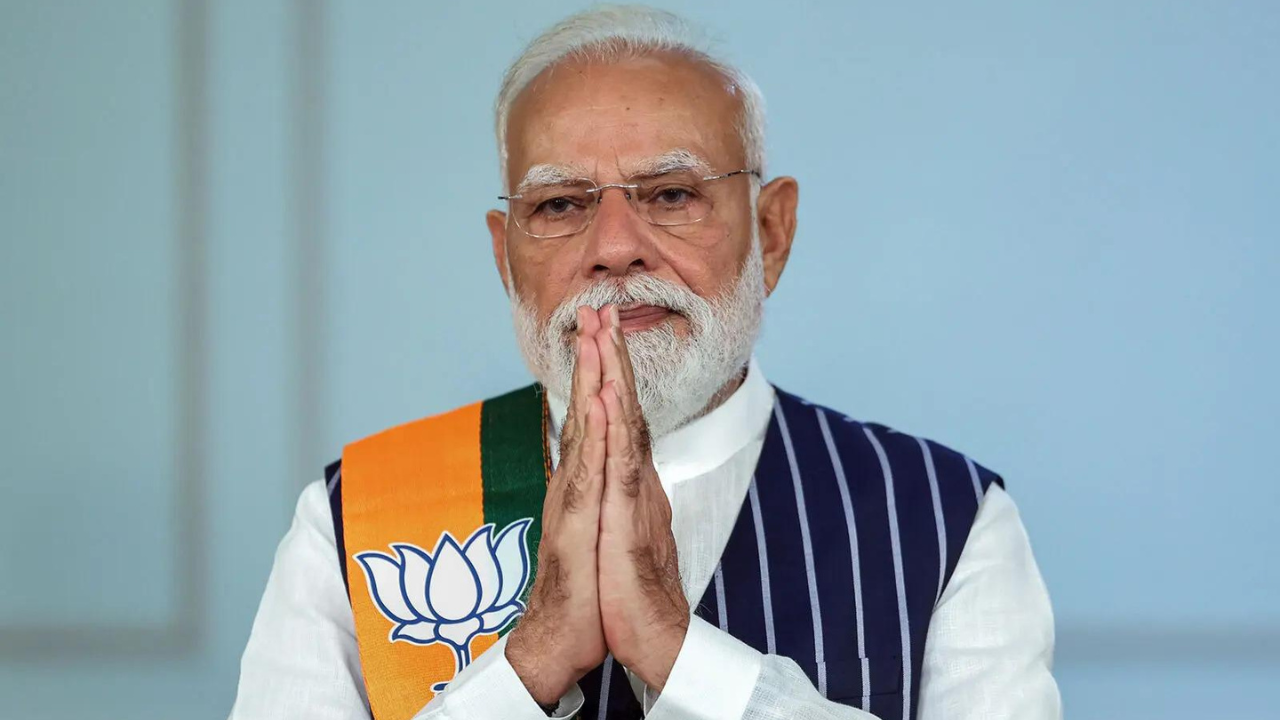
Ahead of a special session of Parliament, Prime Minister Modi spoke about the importance of "Nari Shakti," which means women's power. He explained that the government is committed to passing a constitutional amendment that will change the rules for elections. He urged all political parties to come together and support this change. The Prime Minister believes that empowering women is not just a choice but a necessity for the country's growth. He wants the bill to move forward without any more roadblocks, as it has been discussed for many years without being finished.
Important Numbers and Facts
The bill proposes to reserve 33 percent of the seats in the Lok Sabha and all state legislative assemblies for women. This means that one out of every three seats will be held by a woman leader. The plan is to implement this change by the year 2029. To make this happen, the government must first complete a national census and a process called delimitation. Delimitation is the task of redrawing the boundaries of voting areas based on the latest population numbers. Once these steps are done, the reservation will officially begin.
Background and Context
The idea of reserving seats for women in India is not new. It was first introduced in Parliament more than 25 years ago. Over the decades, different governments tried to pass the bill, but they faced many challenges and disagreements. Some political groups wanted specific changes to the bill, which led to many delays. Because of this, the number of women in India's Parliament has remained low compared to many other countries. Even though women in India vote in very high numbers, they have not had an equal share of the seats where decisions are made. This new push by the current government is seen as a final effort to turn this long-standing demand into a reality.
Public or Industry Reaction
The response to the Prime Minister’s announcement has been mostly positive. Many women’s rights groups and social leaders have praised the move, calling it a historic moment for the country. They believe that having more women in power will lead to better policies on education, health, and safety. However, some people have raised questions about the timing. Since the reservation depends on the census and redrawing voting lines, some critics worry that the benefits will not be seen for several years. Despite these concerns, there is a broad agreement across the country that women deserve a bigger role in leading the nation.
What This Means Going Forward
The next few years will be a busy time for the government as it prepares for this change. The first big step is to conduct the national census, which provides the data needed to redraw voting districts. After that, the delimitation commission will decide which specific seats will be reserved for women. This process must be done carefully to ensure it is fair to everyone. If everything stays on track, the 2029 elections will be a turning point. We will likely see a record number of women candidates and winners, which will change the way political campaigns are run and how laws are debated in the future.
Final Take
The Women’s Reservation Bill is more than just a political move; it is a promise of fairness to half of India's population. By calling any delay an "injustice," the Prime Minister has set a high bar for the upcoming Parliament session. If passed, this law will ensure that the voices of women are heard clearly in the halls of power for generations to come. It is a significant step toward a more inclusive and representative democracy.
Frequently Asked Questions
What is the Nari Shakti Vandan Adhiniyam?
It is the official name of the Women’s Reservation Bill, which aims to give women a 33 percent share of seats in India’s Parliament and state assemblies.
When will women start seeing these reserved seats?
The government plans to have the reservation system fully in place by the 2029 general elections, following a census and the redrawing of voting boundaries.
Why is a census needed before the bill starts?
A census is needed to get updated population figures. These figures are used to redraw the boundaries of voting areas, ensuring that the reserved seats are distributed fairly across the country.



