
Summary
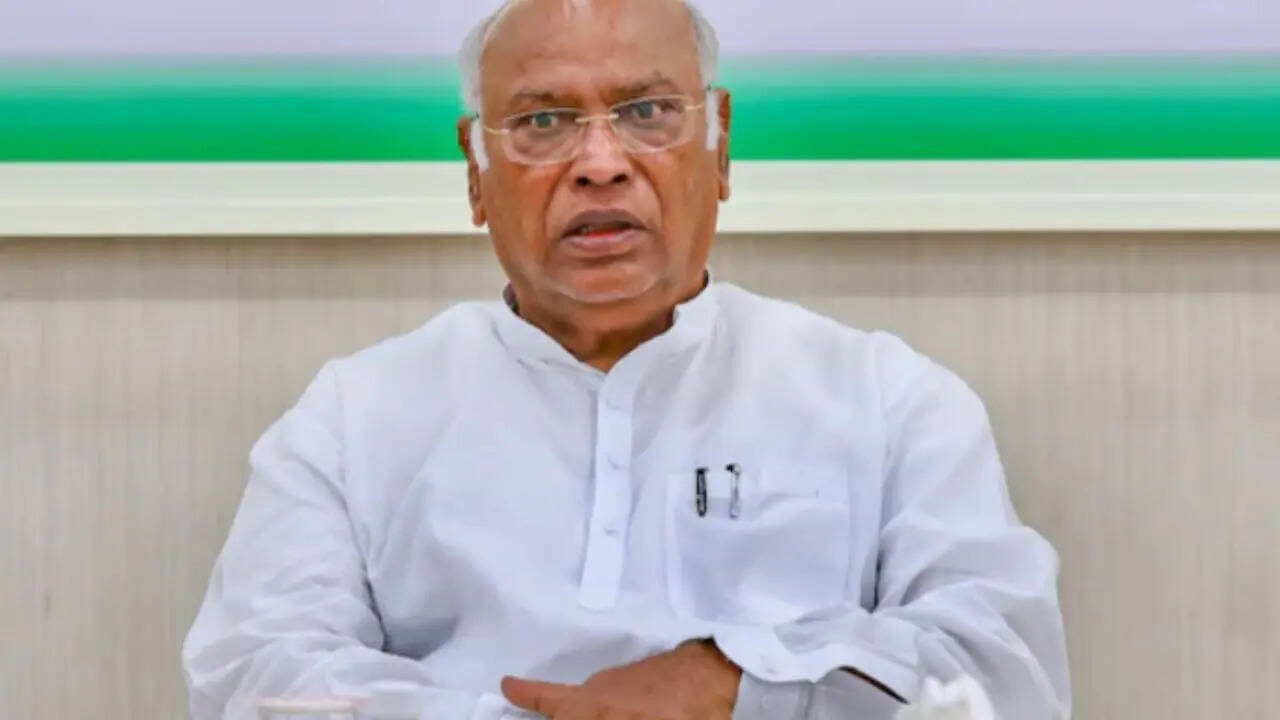
Congress President Mallikarjun Kharge has once again challenged the central government regarding the implementation of the women’s reservation law. He has formally requested that an all-party meeting be organized after the current elections to address concerns about the quota. Kharge argues that the current plan delays the benefits for women and fails to include specific protections for those from backward communities. This move signals a growing political debate over how and when women will finally see increased representation in Indian politics.
Main Impact
The primary impact of this development is a renewed focus on the timeline of the Women’s Reservation Bill, officially known as the Nari Shakti Vandan Adhiniyam. While the law has been passed, it cannot be used immediately because of certain conditions set by the government. Kharge’s refusal to accept the current terms puts pressure on the ruling party to explain these delays. It also brings the issue of "quota within a quota" back to the center of the political conversation, highlighting the demand for seats specifically reserved for women from Other Backward Classes (OBCs).
Key Details
What Happened
Mallikarjun Kharge has voiced strong opposition to the way the government is handling the women’s quota. He believes the government is using technical processes to push the actual start date of the reservation far into the future. Instead of accepting the current roadmap, he wants all political parties to sit down together after the election results are out. His goal is to reach a new agreement that could allow the reservation to start sooner and include more diverse groups of women.
Important Numbers and Facts
The Women’s Reservation Bill aims to set aside 33 percent of seats in the Lok Sabha and state legislative assemblies for women. However, the law states that this will only happen after two major events: a new national census and a process called delimitation. Delimitation is when the government redraws the boundaries of voting districts based on new population data. Because the census has been delayed, experts suggest that women might not see these reserved seats until 2029 or even later. Kharge and his party find this wait time unacceptable and are calling for immediate action.
Background and Context
For decades, political parties in India have talked about giving women a guaranteed share of seats in Parliament. The idea is to ensure that women have a direct say in making the laws that affect the whole country. In 2023, a special session of Parliament finally passed the bill with support from almost all parties. However, the excitement was quickly followed by a debate over the "fine print."
The main point of disagreement is the link between the quota and the census. The Congress party and several other opposition groups argue that the government could have implemented the reservation right away using existing data. They also point out that the current law does not have a separate quota for OBC women, which they say leaves out a huge part of the population. The government, on the other hand, says that following the legal process of census and delimitation is the only way to make the changes fair and permanent.
Public or Industry Reaction
The reaction to Kharge’s demand has been split along party lines. Supporters of the Congress party believe that the government is making "empty promises" by passing a law that won't work for many years. They see the demand for an all-party meeting as a way to hold the government accountable. On the other side, members of the ruling party have criticized Kharge’s stance. They argue that the opposition is trying to create hurdles for a historic law that they themselves failed to pass for years. Women's rights groups have expressed mixed feelings; while they are happy the law exists, many are frustrated by the long wait for it to actually begin.
What This Means Going Forward
Looking ahead, the implementation of women’s reservation will likely be one of the first major tasks for the next government. If an all-party meeting is held as Kharge suggests, it could lead to a change in the law. There might be attempts to remove the census requirement or to add a sub-quota for OBC women. If the government stays with its current plan, the debate will continue to be a major talking point in future elections. The next few months will determine if political leaders can find a middle ground or if the start date for women's reservation will remain a distant goal.
Final Take
The discussion over women's seats in Parliament has moved from "if" it will happen to "how" it will be done. Mallikarjun Kharge’s call for a meeting shows that the opposition is not ready to let the current plan go unchallenged. While the law is a big step forward, the technical delays and the lack of an OBC quota remain serious points of conflict. True progress will depend on whether the government and the opposition can stop arguing and find a way to give women their rightful place in leadership without further delay.
Frequently Asked Questions
What is the Women’s Reservation Bill?
It is a law that reserves one-third of the seats in the Lok Sabha and state assemblies for women to ensure they have better representation in government.
Why is there a delay in starting the reservation?
The law says the reservation can only start after a new census is completed and voting district boundaries are redrawn, which could take several years.
What is Mallikarjun Kharge asking for?
He is asking for an all-party meeting after the elections to discuss starting the reservation sooner and including a specific quota for women from backward classes (OBCs).



