
Summary
The Chief Minister of Delhi recently visited Delhi University to support a major movement for women's rights in politics. By joining a signature campaign, the leader called for the immediate start of women's reservation in the country’s law-making bodies. This move aims to ensure that women hold at least one-third of the seats in Parliament and state assemblies. The event highlights a growing demand for gender equality in the highest levels of Indian government.
Main Impact
The participation of the Delhi Chief Minister in this campaign has brought fresh energy to the debate over gender balance in power. For a long time, women have been underrepresented in the places where important decisions are made. By standing with students and activists, the CM has sent a strong message that the current system needs to change quickly. This support helps turn a local university event into a national conversation about fairness and representation.
This action also puts pressure on the central government to move faster. While a law for women's reservation was passed previously, it has not yet been put into action. The CM’s involvement suggests that political leaders are now being held accountable by the younger generation. It encourages more young women to think about careers in public service, knowing they have high-level support for their right to lead.
Key Details
What Happened
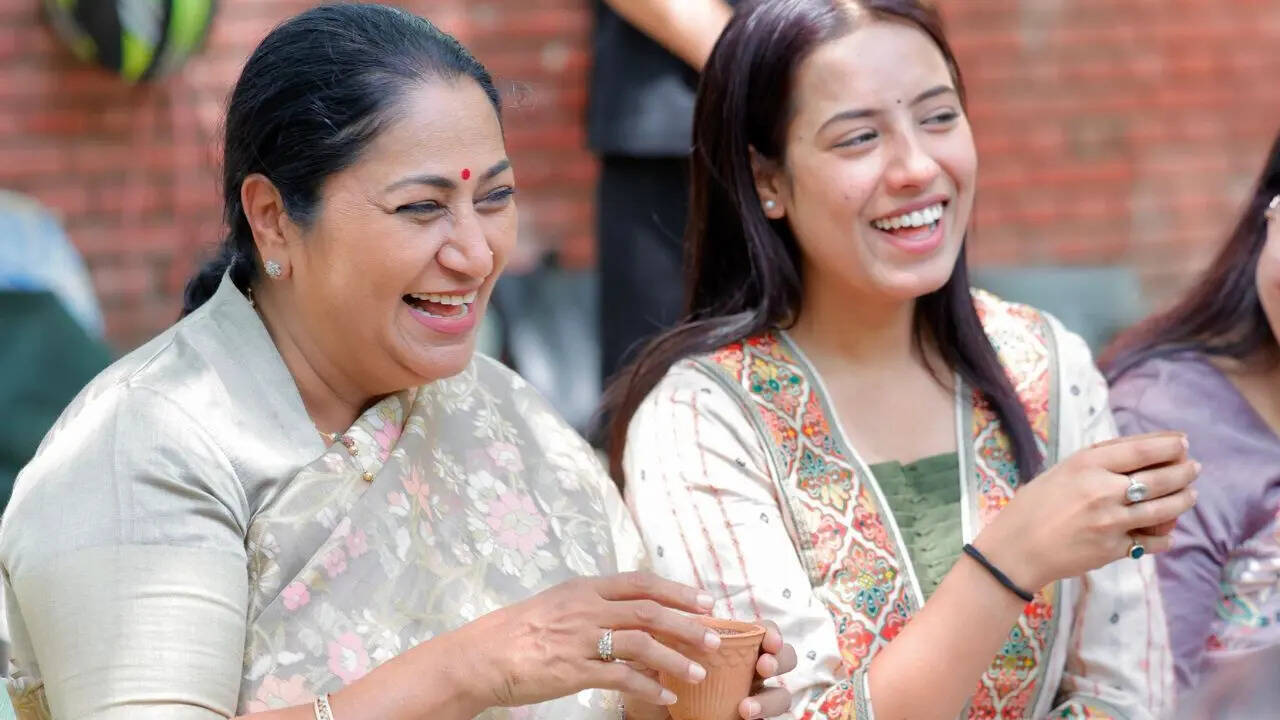
The Delhi Chief Minister arrived at the Delhi University campus to meet with students and faculty members who are leading a signature drive. This drive is part of a larger effort to show the government that people want more women in politics. The CM spent time talking to young voters and signed a large petition board to show personal and official support for the cause. The atmosphere was filled with slogans calling for "Nari Shakti" or women's power.
During the visit, the CM spoke about how women bring a different and necessary view to governance. The leader pointed out that issues like education, healthcare, and local safety often get more attention when women are in charge. The campaign aims to collect thousands of signatures from across the city to present to the central authorities.
Important Numbers and Facts
The primary goal of the movement is to implement a 33% reservation for women. This means that out of every 100 seats in the Lok Sabha and State Legislative Assemblies, 33 would be set aside specifically for female candidates. Currently, the percentage of women in these roles is much lower, often staying below 15% in many regions. The law that supports this change was passed in 2023, but it is tied to the next census and the redrawing of voting boundaries, which has caused delays.
Background and Context
The fight for women's reservation in India has been going on for nearly thirty years. Many different governments tried to pass this law in the past, but they often faced opposition from various political groups. In 2023, a special session of Parliament finally passed the bill with a huge majority. It was seen as a historic moment for the country. However, the law included a condition that it would only start after a new census is completed and the voting districts are updated.
This delay is why campaigns like the one at Delhi University are happening now. Many people feel that the government should find a way to start the reservation sooner. They argue that waiting for several more years keeps women away from leadership roles they deserve today. In a city like Delhi, which serves as the political heart of the nation, these protests and campaigns carry a lot of weight.
Public or Industry Reaction
The reaction to the CM’s visit has been mostly positive among the student community. Many young women at Delhi University expressed that they feel more confident about their future in politics. They believe that having a seat at the table will allow them to fix problems that have been ignored for decades. Teachers and professors also joined in, noting that academic spaces are the perfect place to start these social changes.
On the other hand, some political opponents have questioned the timing of the CM’s support. They suggest that while the goal is good, all political parties should focus on giving more tickets to women in the upcoming elections without waiting for a law to force them. Despite these different views, there is a general agreement across the board that women need a stronger voice in the Indian political scene.
What This Means Going Forward
Looking ahead, the focus will be on the 2026 census and the subsequent redrawing of voting areas. These are the technical steps required before the 33% reservation can officially begin. The pressure from signature campaigns and public speeches by leaders like the Delhi CM will likely keep this issue at the front of the national agenda. It ensures that the government does not push the matter aside or delay it further than necessary.
If the movement succeeds, the 2029 general elections could look very different. We would see hundreds of new female faces in Parliament. This would not just change who sits in the seats, but it would also change the types of laws that are passed. It could lead to more focus on social welfare, safety for women, and better schools. The next few years will be a critical time for watching how these promises turn into real actions.
Final Take
True progress in a democracy is only possible when everyone has an equal chance to lead. The Delhi CM’s support for women's reservation at Delhi University is a reminder that the path to equality requires constant effort. While laws are a good start, it is the active participation of leaders and the youth that will finally bring about real change in how the country is run.
Frequently Asked Questions
What is the women's reservation bill?
It is a law that sets aside 33% of the seats in India's Parliament and state assemblies for women to ensure they have a fair share of political power.
Why has the reservation not started yet?
The law says it can only be put into practice after the national census is finished and the boundaries of voting areas are redrawn, which takes time.
Why did the Delhi CM join the campaign at DU?
The CM joined to show support for the immediate implementation of the law and to encourage young people to fight for gender equality in government.



