
Summary
Opposition parties in India have united to oppose a new plan to redraw voting boundaries. While these parties support reserving seats for women in Parliament, they disagree with how the government wants to do it. They believe the government is using the law to gain a political advantage. This disagreement sets the stage for a major battle during a special three-day session of Parliament.
Main Impact
The decision by the Opposition to fight the bill could stop it from passing. To change the Constitution, the government needs a two-thirds majority in Parliament. Since the Opposition is now united against specific parts of the bill, the government may struggle to get enough votes. This could delay the plan to give women more representation in Indian politics for several more years.
Key Details
What Happened
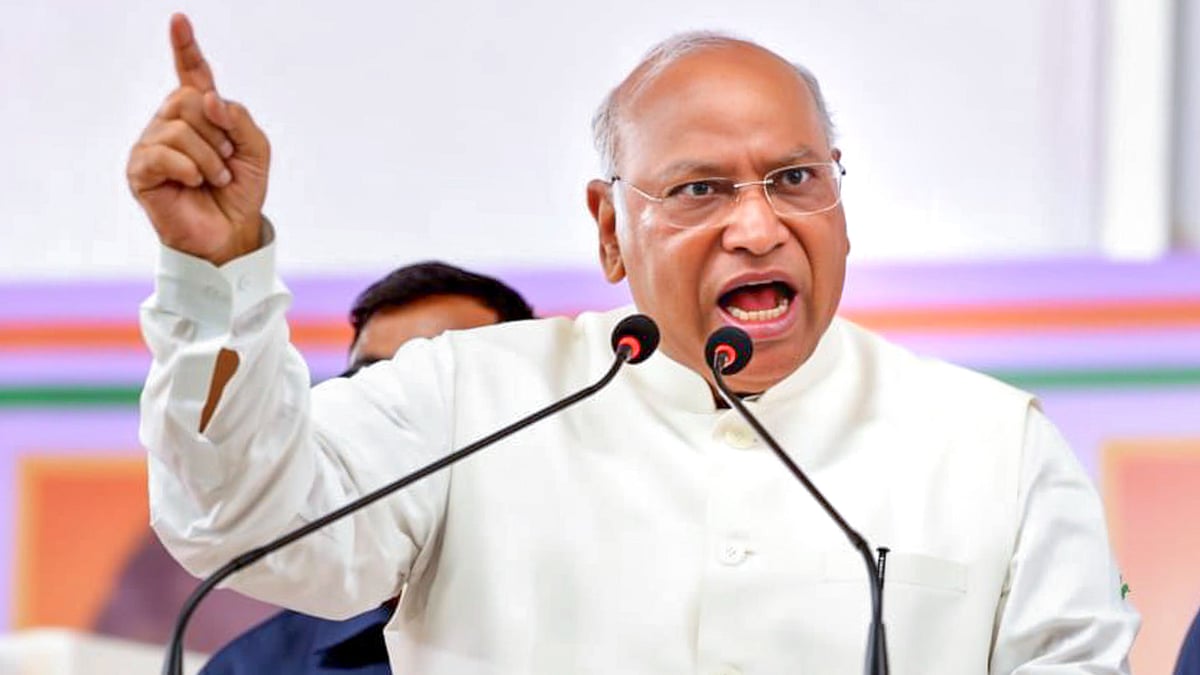
Leaders from the INDIA bloc and other parties met at the home of Congress President Mallikarjun Kharge. They discussed the government’s plan to introduce a Constitution amendment bill. This bill links women’s reservation to a process called delimitation. Delimitation is when the government redraws the borders of voting areas based on population changes. The Opposition says they will support the women's seats but will vote against the boundary changes.
Important Numbers and Facts
The government wants to reserve 33 per cent of seats for women in the Lok Sabha and state assemblies. However, they plan to start this only in 2029. Currently, the ruling NDA group has 292 members in the Lok Sabha, while the main Opposition parties have 233. Because this is a change to the Constitution, the government needs two-thirds of the members present to vote in favor. The special session of Parliament is scheduled to run from April 16 to April 18, 2026.
Background and Context
The idea of reserving seats for women has been discussed in India for many years. In 2010 and 2023, there were similar attempts to pass this law. The main problem now is not the reservation itself, but the "delimitation" process attached to it. Delimitation happens after a national census to make sure each voting area has a fair number of people. However, the Opposition fears that redrawing these lines will take power away from certain states and give it to others. They worry that states with smaller populations, like those in the South and Northeast, will lose their influence in Parliament.
Public or Industry Reaction
Opposition leaders have been very vocal about their concerns. Mallikarjun Kharge called the move "politically motivated" and said it was designed to silence the Opposition. Rahul Gandhi described the plan as a "power grab." He argued that the new boundaries would be unfair to people from Dalit, Adivasi, and OBC communities. He also warned that smaller states would see their political power shrink.
Jairam Ramesh, a senior Congress leader, warned that the country should prepare for a "political earthquake." Other parties, like the Trinamool Congress and the Aam Aadmi Party, also joined the protest. They called the bill a political stunt rather than a sincere effort to help women. They want the reservation to start immediately using the current voting areas instead of waiting for a new census.
What This Means Going Forward
The next few days in Parliament will be very tense. The government must decide if it will change the bill to satisfy the Opposition or try to pass it as it is. If the government does not have enough votes, the bill might fail. This would be a significant setback for the policy of women's reservation. There is also a risk of increased tension between the central government and state governments, especially those who feel the new boundaries will hurt their representation. The outcome will likely shape the political environment leading up to the 2029 elections.
Final Take
The fight over this bill shows a deep lack of trust between the government and the Opposition. While both sides claim to support women's rights, the argument over how to redraw voting lines has become a major roadblock. The survival of this law depends on whether both sides can find a middle ground or if the political divide will stop progress entirely.
Frequently Asked Questions
What is delimitation?
Delimitation is the process of redrawing the boundaries of parliamentary or assembly seats. This is done to make sure that each seat represents a similar number of voters based on the latest census data.
Why is the Opposition against the bill?
The Opposition supports reserving seats for women, but they are against linking it to delimitation. They believe the government will use the redrawing of boundaries to favor their own party and reduce the power of certain states and communities.
When would the women's reservation start?
Under the government's current proposal, the 33 per cent reservation for women would not begin until 2029. The Opposition wants the reservation to be implemented much sooner without waiting for a new census.

