
Summary
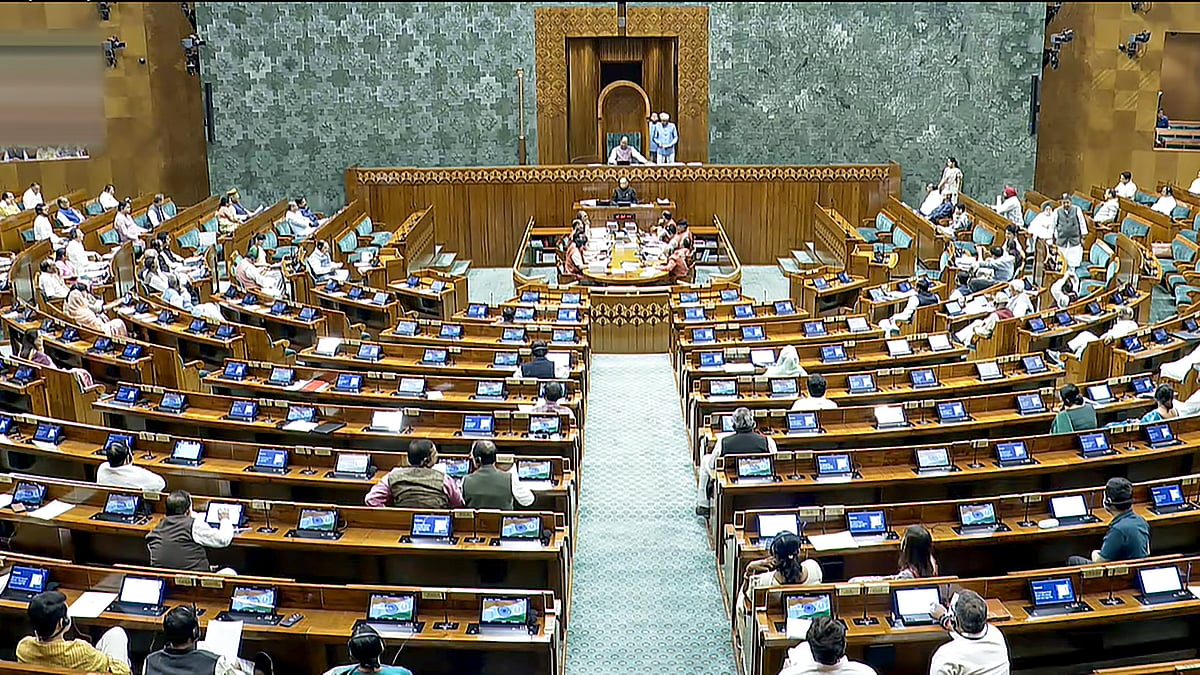
The Indian government has taken a sudden and unexpected step by activating the 2023 Women’s Reservation Act. This move happened late in the evening on April 16, 2026, while Parliament was still debating a new version of the law. By making the 2023 law active now, the government is trying to protect the policy in case their new 2026 Bill fails to pass. This situation has created a tense environment in Parliament as lawmakers prepare for a critical vote that could change how seats are divided across the country.
Main Impact
This decision puts the political opposition in a very difficult position. They are now forced to choose between two complicated paths for the future of Indian elections. One path involves using older population data but offers a higher number of total seats in the Lok Sabha. The other path keeps the number of seats the same but uses more recent population counts. This choice is important because it affects how much power different states have in the national government. The government’s strategy seems designed to divide the opposition and secure enough votes to pass their preferred plan.
Key Details
What Happened
On the night of April 16, 2026, the government issued a formal notice stating that the 2023 Act for women’s reservation is now in effect. This law promises that 33 percent of seats in the Lok Sabha and state assemblies will be reserved for women. The timing was unusual because it occurred right in the middle of a debate over an amended version of the bill for 2026. Experts believe the government did this so that if the 2026 Bill is rejected, the 2023 version will not expire or disappear. It acts as a safety net for the administration's policy goals.
Important Numbers and Facts
The math required to pass these changes is very strict. Currently, there are 540 members in the Lok Sabha, with three seats sitting empty. To change the Constitution, the government needs a "special majority." This means they need support from two-thirds of the members present and voting. If everyone attends, they need 360 votes. The ruling NDA group currently has 293 members, which is 67 votes short of what they need. A preliminary vote held on Thursday showed the government only had 252 supporters, while 185 members voted against them. This gap shows that the government faces a major challenge in winning the final vote.
Background and Context
This debate is closely tied to something called "delimitation." This is the process of redrawing the boundaries of voting areas based on population changes. It is a sensitive topic in India. States in the south have been successful at controlling population growth, while states in the north have seen their populations rise quickly. If seats are divided strictly by population, southern states fear they will lose their influence in Parliament. The government is trying to solve this by proposing an increase in the total number of seats, but the opposition is worried about the fairness of the data being used, such as whether to use the 2011 Census or wait for a newer one in 2027.
Public or Industry Reaction
The opposition parties have reacted with anger and confusion. Jairam Ramesh, a senior leader from the Congress party, described the government's late-night notice as "bizarre." Other leaders called it a "desperate attempt" to maintain control over the legislative process. They argue that the government is trying to force them into a corner by offering options that are nearly impossible to accept. There is a strong feeling among critics that the government is using these surprises to avoid a fair and open debate about the concerns of different states.
What This Means Going Forward
As the final vote approaches, the government has three main choices. First, they can move forward with the vote even if they might lose. If they lose, they can blame the opposition for blocking a law that helps women. Second, they can introduce new changes to the bill to address the specific fears of southern states, perhaps by changing how the seats are shared. Third, they can try to reach a deal with the opposition to send the bill to a special committee for more detailed study. There is also a small chance the government could choose to withdraw the bill entirely if they realize they cannot win the vote.
Final Take
The events of the next few days will be a major turning point for Indian politics. The government is using every political tool available to pass its plan, but the lack of a clear majority makes the outcome uncertain. Whether a compromise is reached or the bill fails, the decision will have a long-term impact on how different regions of India are represented and how women participate in the nation's leadership.
Frequently Asked Questions
What is the 2023 Women’s Reservation Act?
It is a law that requires 33 percent of the seats in India's Parliament and state legislatures to be held by women. It was passed in 2023 but only recently put into effect by a government notice.
Why is the 2026 Bill causing a disagreement?
The new bill links women's reservation to the redrawing of voting boundaries. This is controversial because it involves using population data that could reduce the political power of some states while increasing it for others.
How many votes does the government need to pass the new bill?
The government needs a special majority, which is two-thirds of the members present and voting. Based on current numbers, they need approximately 360 votes, but they currently only have 293 members in their alliance.

