
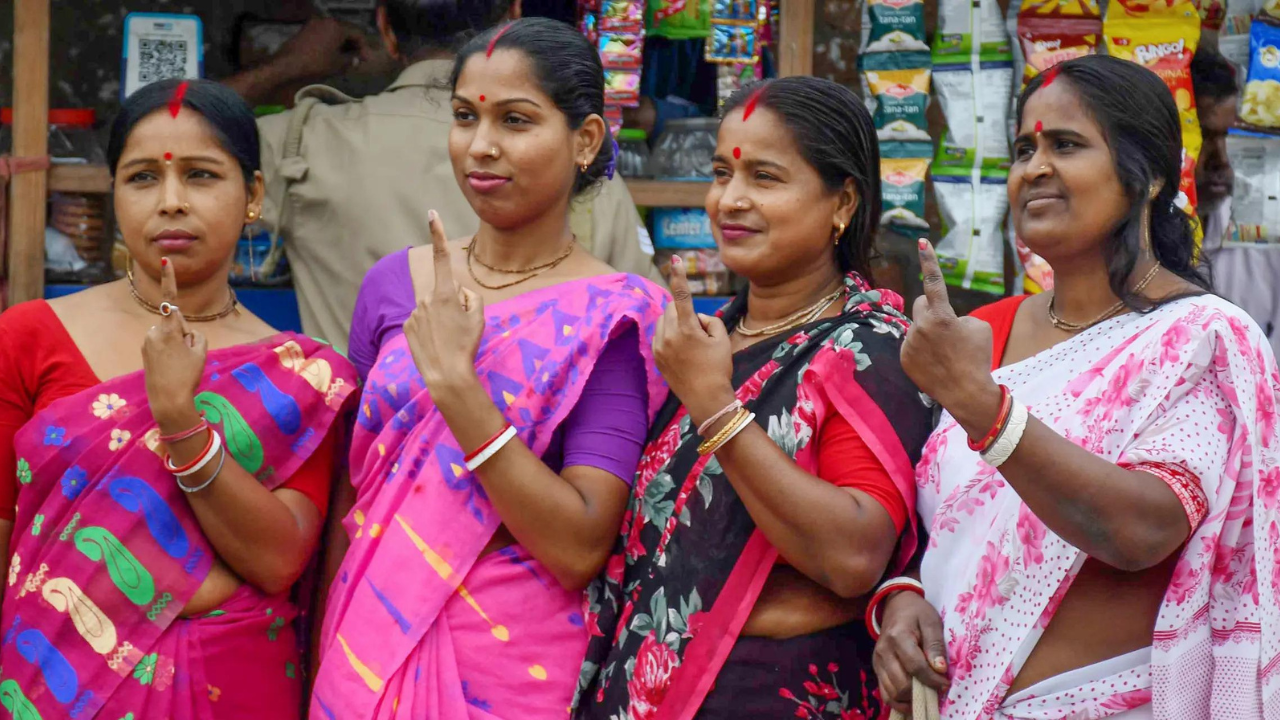
Summary
Recent election data shows a historic shift in voter participation across Kerala, Assam, and Puducherry. For the first time, women voters have turned out in record-breaking numbers, surpassing male voters in all three regions. This change marks a significant moment in Indian politics, as women are now taking a leading role in choosing their representatives. The high turnout suggests that women are becoming more aware of their political power and are eager to influence the future of their states.
Main Impact
The primary impact of this surge is the growing influence of the female vote on election results. In the past, political parties often focused their campaigns on male voters, but these new numbers prove that women are now the deciding factor. This shift forces political leaders to create policies that specifically help women, such as better safety measures, improved education, and financial support programs. When women vote in such high numbers, they change the way government priorities are set.
Key Details
What Happened
During the latest polling cycle, election officials noticed a massive increase in the number of women coming to the booths. In Kerala, Assam, and Puducherry, the percentage of women who voted was higher than the percentage of men. This trend was not just a small increase; it reached levels never seen before in these areas. Kerala, in particular, stood out because the difference between the number of female and male voters was the largest in the country.
Important Numbers and Facts
In Kerala, the gender gap in voting was the most visible, with women significantly outnumbering men at the polling stations. Assam also saw a major jump in female participation, continuing a trend of rising political awareness in the northeast. Puducherry, though smaller in size, followed the same pattern with a very high percentage of women casting their ballots. These figures show that the "silent majority" is no longer silent and is actively participating in the democratic process.
Background and Context
For many years, women in India faced barriers that kept them away from the voting booth. These barriers included a lack of education, social pressure, and a feeling that their voices did not matter. However, over the last decade, there has been a steady rise in female literacy and social awareness. Government programs and non-profit groups have worked hard to teach women about the importance of voting. Today, women are more likely to make their own choices about which candidate to support, rather than just following the advice of male family members.
Public or Industry Reaction
Political experts and analysts are calling this a "silent revolution." Many believe that women are voting in high numbers because they want to address specific issues like the cost of living, healthcare, and local safety. Political parties have reacted by promising more welfare schemes that target women directly. For example, many parties now offer direct cash transfers or cooking gas subsidies to attract female voters. This reaction shows that politicians know they cannot win without the support of women.
What This Means Going Forward
Moving forward, we can expect to see more women running for office and holding leadership positions. As female voter turnout stays high, parties will likely nominate more female candidates to represent these voters. There will also be a greater focus on long-term issues that affect families, such as clean water, better schools, and job opportunities for women. The high turnout in Kerala, Assam, and Puducherry sets a standard for the rest of the country to follow in future elections.
Final Take
The record-breaking participation of women in these three regions is a positive sign for democracy. It shows that the voting process is becoming more inclusive and that every citizen feels they have a stake in the government. When more people participate, the government becomes more accountable to the needs of the entire population. This trend is likely to continue, making women the most important group for any political party to consider in the years ahead.
Frequently Asked Questions
Which state had the highest gap between male and female voters?
Kerala reported the widest gender gap, with women participating in much higher numbers than men during the recent elections.
Why is women's voter turnout increasing in India?
Turnout is increasing due to higher literacy rates, better awareness of political rights, and government programs that encourage women to vote independently.
How does high female turnout affect political parties?
It forces political parties to focus on women-centric issues and welfare schemes, as women have become a decisive group that can determine the winner of an election.



