
Summary
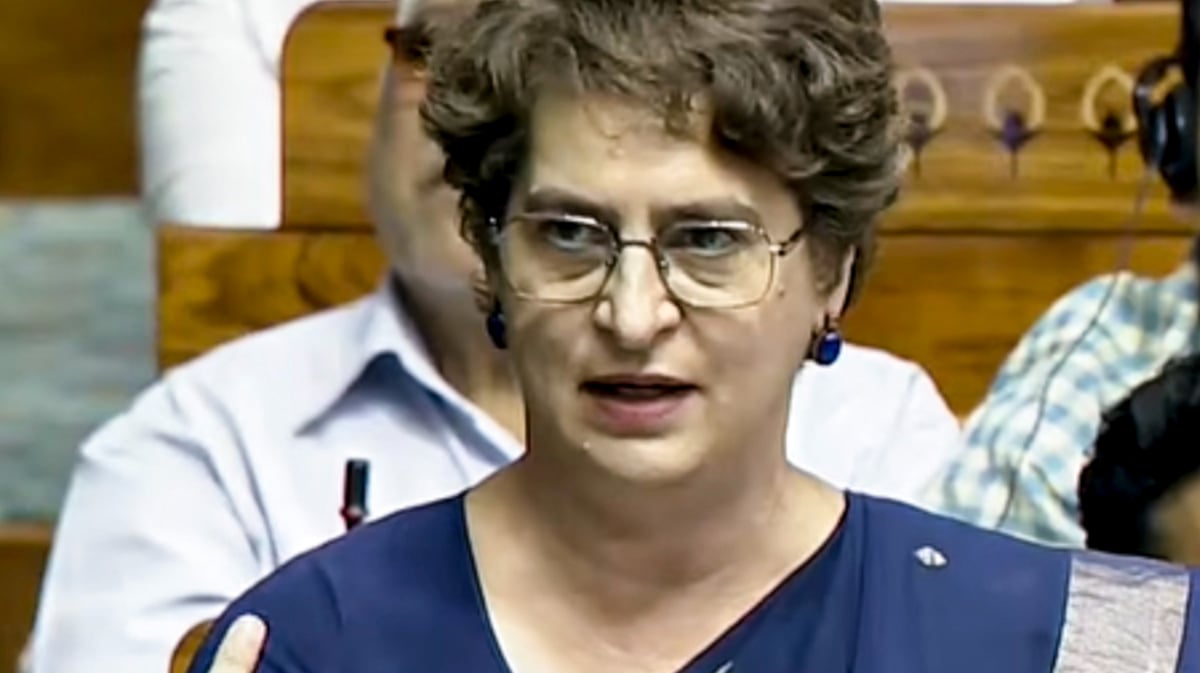
Congress leader Priyanka Gandhi Vadra has raised serious questions about why the government is delaying the start of the women’s reservation law. During a special meeting in Parliament, she criticized the decision to wait for a new census and a change in seat numbers before giving women their fair share of seats. She argued that the government is using these technical steps as an excuse to push the plan further into the future. Priyanka Gandhi also called for a caste-based census to make sure that women from all backgrounds, especially those from Other Backward Classes (OBC), get the representation they deserve.
Main Impact
The main impact of this debate is a growing political divide over how and when women will get 33 percent of the seats in India’s law-making bodies. While the law has been passed, the government’s plan to link it to a future census means it might not happen for several years. This has led to accusations that the government is not truly committed to the change. By bringing up the need for a caste census, the opposition is shifting the focus toward social fairness. This move forces the government to explain why it is using old data from 2011 instead of gathering new information about the population today.
Key Details
What Happened
Priyanka Gandhi Vadra spoke during a debate on the Nari Shakti Vandan Adhiniyam, which is the official name for the women’s reservation law. She asked why the government cannot give women their seats immediately. She pointed out that the current plan requires two big things to happen first: a national census and a process called delimitation. Delimitation is when the government redraws the boundaries of voting areas and increases the number of seats. Priyanka argued that waiting for these steps is unnecessary and only serves to delay the rights of women across the country.
Important Numbers and Facts
The law aims to set aside 33 percent of seats for women in the Lok Sabha and state assemblies. However, the government is currently relying on data from the 2011 Census, which is now 15 years old. Priyanka Gandhi noted that this old data does not accurately show the current population of different groups, especially the OBC community. She also reminded the house that the idea of fair voting dates back a long time. She mentioned the 1928 Nehru Report, which argued that every citizen should have one vote with equal value. This principle helped Indian women get the right to vote as soon as the country became independent in 1947.
Background and Context
The fight for women’s reservation in India has been going on for decades. Many different governments have tried to pass similar laws in the past. Priyanka Gandhi reminded the Parliament that her brother’s father, Rajiv Gandhi, tried to bring 33 percent reservation for women in local village councils (panchayats) years ago. At that time, the bill did not pass because the BJP and other parties opposed it. Today, even though the law has finally been passed by both houses of Parliament, the timing of its start remains a major problem. The government says it must follow legal steps like the census to make sure the seat distribution is fair, but critics see this as a way to avoid taking action before the next few elections.
Public or Industry Reaction
The reaction in Parliament was intense, with many members of the opposition joining Priyanka Gandhi in her demands. They believe that if the government is serious about helping women, it should not wait for a census that has already been delayed for years. On the other side, government supporters argue that they are the ones who finally made the law a reality after others failed for 30 years. They claim that following the proper legal process is the only way to make sure the law is not challenged in court later. However, the demand for a caste census has added a new challenge for the government, as it brings up questions about how many people belong to different social groups and whether they are getting their fair share of power.
What This Means Going Forward
Looking ahead, the timeline for women’s reservation remains unclear. If the government stays with its current plan, women might not see these reserved seats until the 2029 national elections or even later. This delay could become a major talking point in upcoming state elections. The push for a caste census will also likely continue. If the government agrees to a caste census, it could change how seats are divided and who gets to run for office. If they refuse, the opposition will likely continue to claim that the government is trying to hide the true numbers of the OBC population to keep them from gaining more political power.
Final Take
The debate over women’s reservation is no longer just about whether women should have seats in Parliament. It is now a battle over when they will get them and which groups of women will be represented. While the law is a big step forward, the technical requirements attached to it have created a long waiting period. The pressure is now on the government to show that it can move faster and be more open about the data it uses to make these big changes.
Frequently Asked Questions
What is the women’s reservation law?
It is a law that sets aside one-third (33%) of the seats in the Lok Sabha and state assemblies for women to ensure they have a stronger voice in making laws.
Why is there a delay in starting the reservation?
The government says it must first complete a new national census and a "delimitation" process to redraw voting boundaries before the reservation can take effect.
What is a caste census and why is it being discussed?
A caste census is a count of the population based on their social groups. Critics want this included to make sure that women from Other Backward Classes (OBC) get their fair share of the reserved seats.

