Summary
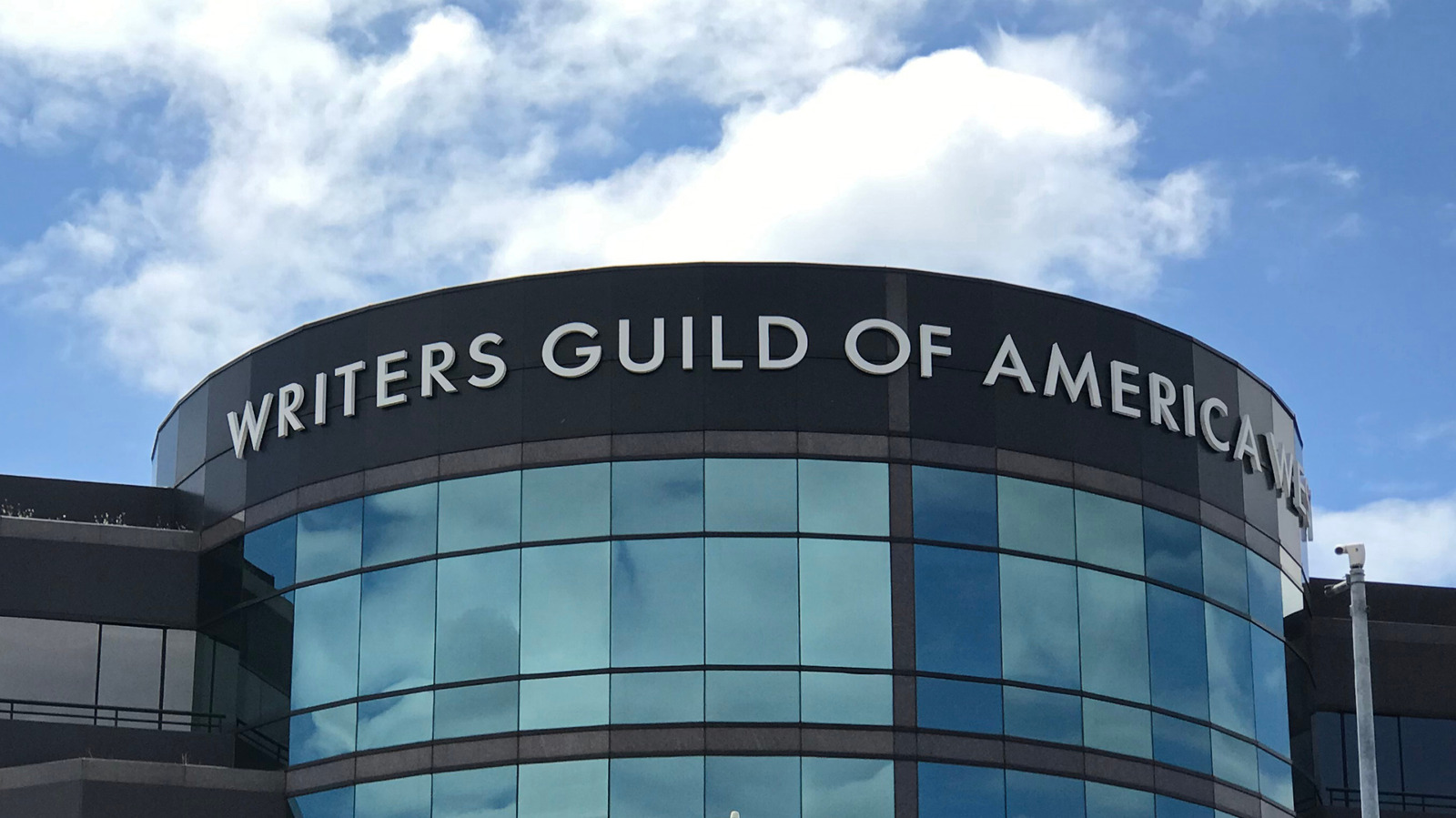
The Writers Guild of America (WGA) has filed a lawsuit to stop the proposed merger between Paramount and Warner Bros. Discovery. The union argues that the deal would give too much control to one billionaire family, the Redstones, who already own a large share of the entertainment industry. If the merger goes through, the WGA says it would hurt competition, reduce job opportunities for writers, and give too much power to a single company. This legal challenge adds to growing concerns about media consolidation in the United States.
Main Impact
The WGA's lawsuit directly targets the planned merger of two major Hollywood studios: Paramount and Warner Bros. Discovery. The union claims that combining these companies would create a media giant that controls a huge portion of the country's TV and film production. This could lead to fewer choices for viewers, lower pay for writers, and less creative freedom in the industry. The lawsuit is a significant move because it shows that workers in the entertainment field are worried about how big media companies are becoming.
Key Details
What Happened
The WGA filed the lawsuit in federal court, asking a judge to block the merger. The union says the deal violates antitrust laws, which are meant to prevent one company from having too much power. The WGA points out that the Redstone family, which controls Paramount through its parent company National Amusements, would also have a major stake in the new combined company. The union argues this would give one family control over about one-third of all entertainment media in the US.
Important Numbers and Facts
The merger would combine two of the biggest names in Hollywood. Paramount owns CBS, MTV, Nickelodeon, and the Paramount movie studio. Warner Bros. Discovery owns HBO, CNN, Warner Bros. Pictures, and Discovery Channel. Together, they would control a massive library of content and a large share of TV networks and streaming services. The WGA says this would reduce competition for writers' work and make it harder for smaller studios to survive. The lawsuit was filed on July 14, 2026, just days after the merger was announced.
Background and Context
Media mergers have become more common in recent years as companies try to compete with streaming giants like Netflix and Amazon. But critics say these deals often hurt workers and viewers. The WGA has been vocal about the problems of media consolidation, saying it leads to fewer jobs, lower pay, and less diverse content. The union also points out that the Redstone family already has a lot of influence in the industry through its control of Paramount. Adding Warner Bros. Discovery to that mix, the WGA argues, would create an unfair advantage.
Public or Industry Reaction
The lawsuit has drawn attention from other unions and industry groups. Some have expressed support for the WGA's position, saying that media consolidation is bad for workers and consumers. Others in the business world have criticized the lawsuit, arguing that mergers are necessary for companies to survive in a changing market. The two companies involved, Paramount and Warner Bros. Discovery, have not yet commented on the lawsuit. Legal experts say the case could take months or even years to resolve, and it may face an uphill battle in court.
What This Means Going Forward
If the WGA wins its lawsuit, it could set a major precedent for future media mergers. It would send a signal that unions and workers have a say in how big companies combine. If the merger is blocked, Paramount and Warner Bros. Discovery would have to find other ways to compete. If the lawsuit fails, the deal could go through, but it might face more scrutiny from regulators and the public. Either way, this case highlights the growing tension between big media companies and the people who work for them.
Final Take
The WGA's lawsuit is a clear warning that media consolidation is not just a business issue—it's a worker issue. Writers and other entertainment workers are worried that fewer companies mean fewer opportunities and less creative freedom. Whether or not this lawsuit succeeds, it shows that the fight over who controls the stories we see on screen is far from over.
Frequently Asked Questions
Why is the WGA suing to block the Paramount-Warner Bros. Discovery merger?
The WGA says the merger would give too much control to one billionaire family, the Redstones, and reduce competition in the entertainment industry. The union argues this would hurt writers by lowering pay and reducing job opportunities.
What would the merger mean for viewers?
If the merger goes through, Paramount and Warner Bros. Discovery would combine their TV networks, movie studios, and streaming services. This could mean fewer choices for viewers and less variety in the shows and movies available.
Could the lawsuit stop the merger?
It is possible, but not certain. The lawsuit argues that the merger violates antitrust laws. A judge will decide whether to block the deal. Legal experts say the case could take a long time to resolve, and the outcome is not guaranteed.