
Summary
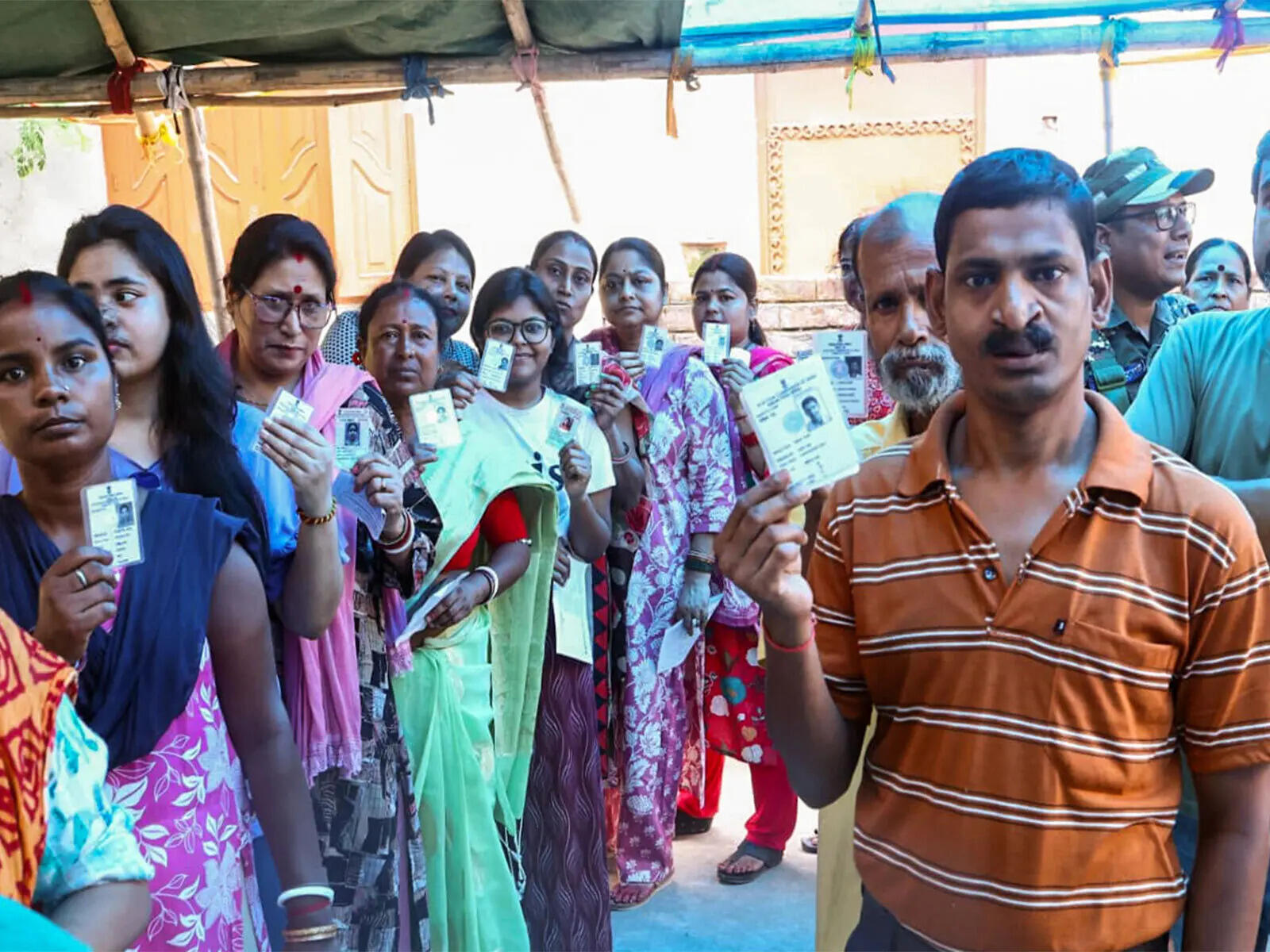
Special tribunals in West Bengal have restored the voting rights of 1,468 individuals just before the second phase of the current elections. These tribunals, which operate under the direction of the Supreme Court, found that these citizens were wrongly removed from the voter lists. This decision brings the total number of reinstated voters to 1,607 following a massive cleanup effort that saw millions of names removed from the official records. The move ensures that these eligible citizens can participate in the upcoming democratic process.
Main Impact
The primary impact of this decision is the immediate protection of voting rights for over a thousand people. In a democracy, the right to vote is a fundamental power, and being removed from the list can leave a citizen silenced. By restoring these names, the tribunals have corrected errors that occurred during a large-scale administrative process. This development also puts a spotlight on the methods used to manage voter rolls, suggesting that the automated systems used to "clean" the lists may require more human oversight to prevent valid voters from being excluded.
Key Details
What Happened
Before the second phase of the elections in West Bengal, legal bodies known as tribunals reviewed several complaints regarding the voter list. These tribunals were specifically mandated by the Supreme Court of India to handle disputes over voter registration. After looking at the evidence, the officials decided to put 1,468 names back on the list. While most of the decisions involved adding people back, the tribunals also ordered the removal of six names that were found to be ineligible. This process is part of an ongoing effort to make sure the voter list is as accurate as possible before people head to the polling stations.
Important Numbers and Facts
The scale of the voter list changes in West Bengal is significant. Earlier, authorities removed approximately 27 lakh (2.7 million) names from the voter rolls. This was done under a specific rule called the "logical discrepancy" clause. So far, the total number of people who have successfully fought to have their names restored has reached 1,607. The high number of people being added back compared to the small number of new deletions has caused experts to look more closely at how the original 27 lakh names were chosen for removal.
Background and Context
To understand why this matters, it is important to know how voter lists are maintained. Election officials use computer programs to find errors, such as people who have moved, people who have passed away, or duplicate entries where one person is listed twice. This is what the "logical discrepancy" clause refers to—it is a way to find data that does not make sense. However, West Bengal is a very large state with a complex population. Sometimes, the computer flags a real person as an error. Because voting is so important, the Supreme Court stepped in to ensure there was a fast way for people to fix these mistakes through special tribunals.
Public or Industry Reaction
The restoration of these votes has drawn attention from political groups and civil rights watchers. There is a growing concern about the high ratio of restorations. When a large number of people are added back to the list after being deleted, it often leads to questions about whether the initial cleanup was too aggressive or lacked proper verification. Election observers are calling for more transparency in how the "logical discrepancy" clause is applied to ensure that no legitimate voter is left out of the process in the future.
What This Means Going Forward
As the election moves into its next phases, more people may come forward to check their status on the voter list. The success of these 1,468 individuals might encourage others who found their names missing to seek help from the tribunals. For the election authorities, this situation serves as a lesson in balancing technology with human verification. Going forward, there will likely be more pressure on the Election Commission to double-check automated deletions before they become final. The goal is to reach a point where the voter list is clean of frauds but full of every eligible citizen.
Final Take
The restoration of these names is a win for individual rights and the integrity of the election. It shows that while systems can make mistakes, there are legal paths available to correct them. Ensuring that every valid voter has the chance to cast their ballot is the most important part of any election. As West Bengal continues through its voting phases, the focus will remain on making sure the lists are fair, accurate, and inclusive of all who have the right to vote.
Frequently Asked Questions
Why were so many voters deleted in the first place?
Voters were removed under a "logical discrepancy" rule, which is used to find and remove duplicate names, deceased individuals, or incorrect entries to keep the voter list clean and prevent fraud.
How did the 1,468 people get their names back?
They went through special tribunals mandated by the Supreme Court. These tribunals reviewed their cases, verified their eligibility, and ordered that their names be restored to the voter list.
Will this affect the second phase of the polls?
Yes, it allows these 1,468 people to legally cast their votes in the second phase, ensuring they are not excluded from the democratic process due to administrative errors.



